

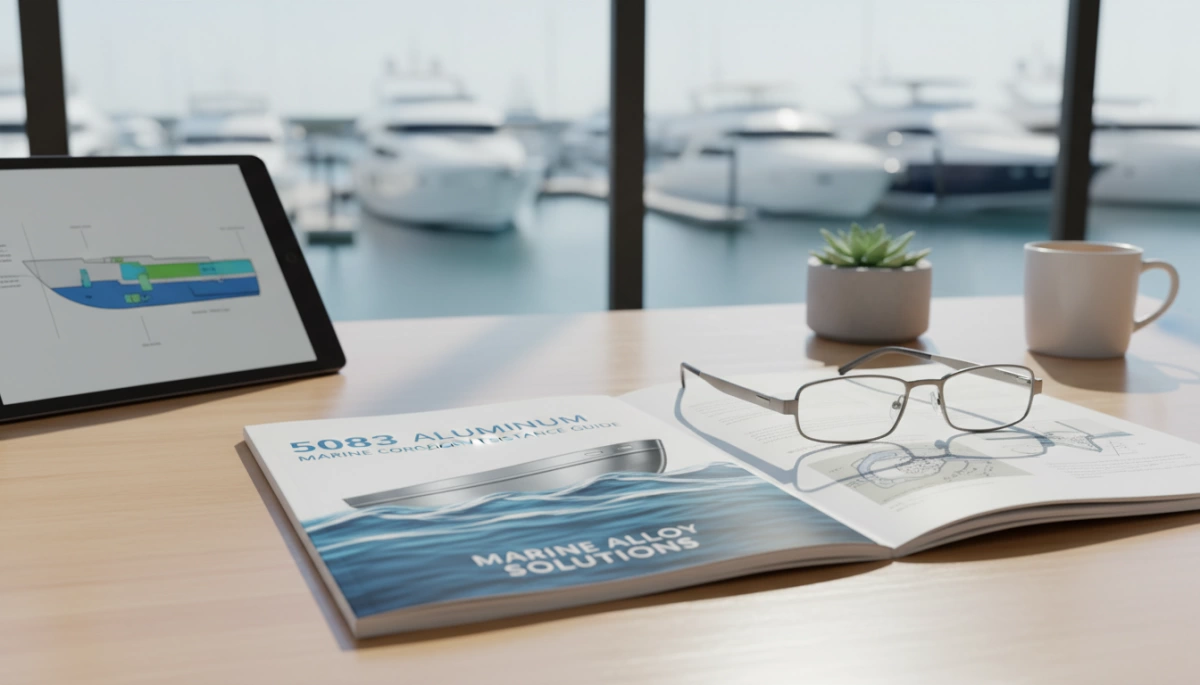
Understanding 5083 Marine-Grade Aluminum
When manufacturing structural components for marine and offshore platforms, material selection is non-negotiable. 5083 marine grade aluminum stands as the definitive standard for harsh, saltwater environments. As a premier 5000 series alloy, it delivers an exceptional strength-to-weight ratio and unparalleled seawater resistance, making it the foundational material for modern boat hulls, shipbuilding materials, and offshore rigs.
Chemical Composition and Core Properties
The superior performance of 5083 aluminum—often recognized internationally as AlMg4.5Mn or Peraluman—is driven by its tightly controlled metallurgical makeup. This alloy is specifically engineered to thrive where other metals degrade.
Key properties include:
- High Magnesium Content (4.0% – 4.9%): Acts as the primary strengthening agent, yielding a robust material capable of heavy load-bearing without extreme weight.
- Manganese & Chromium Additions: Refines the grain structure, directly contributing to its high fatigue resistance against constant wave impact and vibration.
- Unmatched Corrosion Resistance: Instantly forms a dense, self-healing oxide film, providing aggressive oxidation resistance even during continuous submersion in saltwater.
- Extreme Thermal Stability: Excels in low-temperature environments, retaining impact strength without becoming brittle in freezing offshore conditions.
How It Compares to Other Aluminum Alloys
While many aluminum grades exist, deploying the wrong alloy in a marine environment guarantees catastrophic structural failure. Here is exactly why 5083 is chosen over other common CNC machining alternatives.
| Alloy Feature | 5083 Aluminum | 6061 Aluminum | 7075 Aluminum |
|---|---|---|---|
| Ideal Application | Marine & Offshore Structures | General Fabrication | Aerospace Components |
| Saltwater Resistance | Superior | Moderate | Poor |
| Weldability | Exceptional (Maintains high weld strength) | Good (Loses strength at weld) | Poor (Prone to cracking) |
| Machinability | Good (Requires specialized CNC turning/milling) | Excellent | Excellent |
| Overall Durability | Built for continuous environmental abuse | Built for structural frames | Built for high-stress, dry applications |
While 6061 offers easy machinability and 7075 boasts raw tensile strength, 5083 aluminum is the only logical choice when maximum corrosion resistance and high weld strength are mandatory for marine and offshore survival.
Why Choose 5083 Aluminum for Marine and Offshore Structures?
When we manufacture structural parts for the global marine and offshore sectors, choosing the right material is critical. We rely on 5083 aluminum because it consistently outperforms other alloys in harsh, unpredictable maritime environments.
Superior Corrosion Resistance in Saltwater
Saltwater quickly destroys inferior metals, but 5083 marine grade aluminum is built for this exact challenge. It naturally develops a protective oxide layer that provides exceptional seawater resistance. This means fewer replacements, lower maintenance costs, and a longer lifespan for submerged or exposed parts.
High Fatigue Strength and Durability
Constant waves and harsh weather demand extremely tough materials. 5083 aluminum offers high fatigue resistance and an outstanding strength-to-weight ratio. We regularly see this material excel when producing robust structural parts for the renewable and traditional energy sectors, where offshore rigs and platforms must withstand constant mechanical stress and vibration without failing.
Excellent Weldability for Structural Components
Unlike some high-strength alloys that weaken or crack during welding, 5083 retains high weld strength even after complex fabrication. This makes it one of the most reliable shipbuilding materials available today, allowing for seamless assembly of large-scale marine frameworks.
Key Advantages at a Glance:
| Performance Metric | 5083 Aluminum Capability |
|---|---|
| Corrosion Resistance | Excellent (Requires minimal protective coatings in saltwater) |
| Fatigue Strength | High (Easily withstands constant wave impact) |
| Weldability | Superior (Maintains structural integrity at joints) |
| Strength-to-Weight | High (Reduces overall vessel and platform weight) |
Precision CNC Machining Processes for 5083 Aluminum
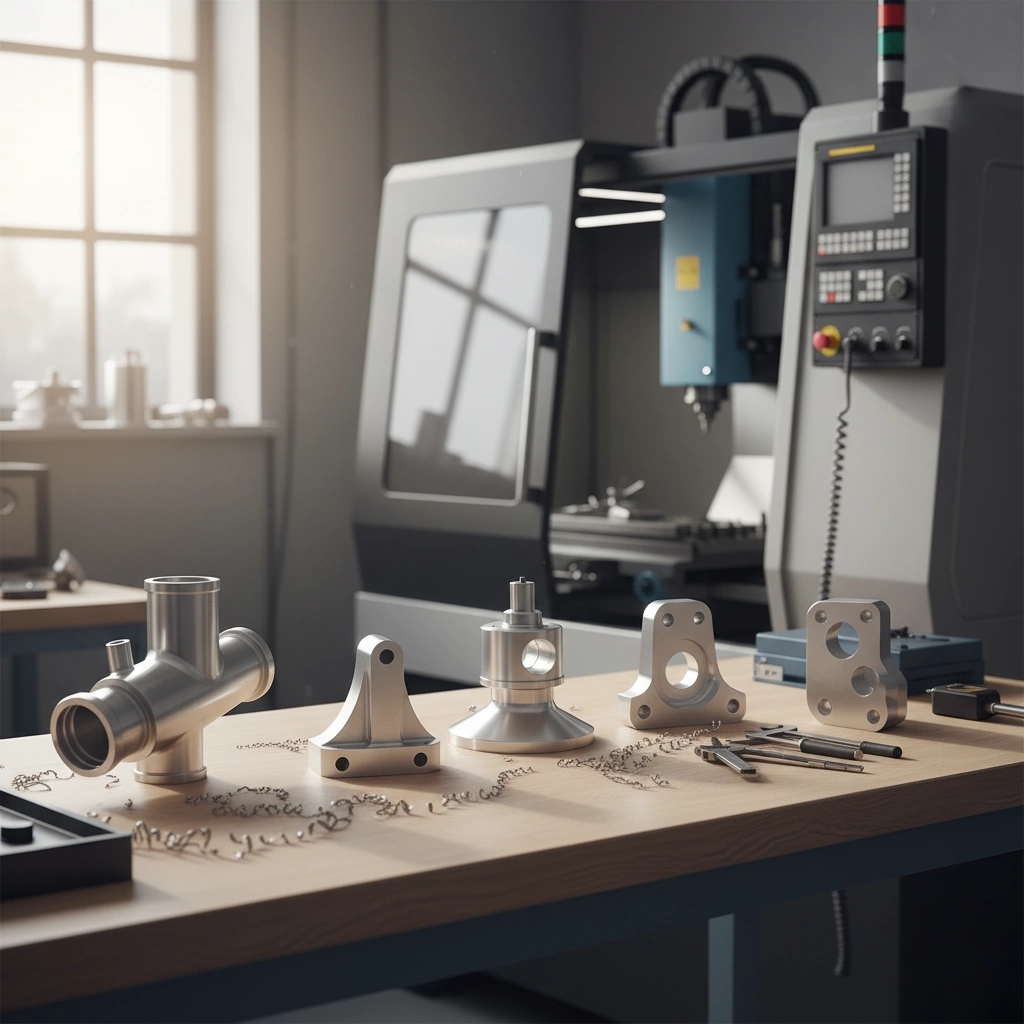
When executing 5083 aluminum CNC machining for marine and offshore structural components, we focus heavily on precision, efficiency, and surface integrity. This specific 5000 series alloy offers outstanding seawater resistance, but its machinability requires the right approach to prevent material sticking and heat buildup.
Custom CNC Milling and Turning Services
Our shop leverages advanced setups to manufacture high-quality custom machined parts. Whether we are cutting aluminum 5083-H32 or aluminum 5083-H111, we utilize both precision CNC milling and CNC turning to meet the strict demands of shipbuilding materials. We tailor our machining strategies to the exact geometry of your marine components, ensuring tight tolerances every time. If your projects overlap with robotic systems or automated marine equipment, our approach to precision CNC machining for automation and robotics highlights how we manage complex design and material tips across demanding industries.
Selecting the Best Carbide Cutting Tools
Aluminum 5083 can be “gummy” during the cutting process. Selecting the correct tools is non-negotiable to maintain a clean cut and prevent built-up edge (BUE).
- Tool Material: Solid carbide end mills and inserts deliver the best wear resistance and rigidity.
- Flute Count: We rely on 2-flute or 3-flute cutters to maximize space for fast chip evacuation.
- Coatings: Uncoated, highly polished tools are ideal. Standard titanium coatings often cause aluminum to stick to the cutting edge, ruining the finish.
Optimizing Speeds, Feeds, and Chip Control
Proper cutting speed optimization is the secret to a mirror-like finish and prevents unwanted work-hardening on the part’s surface. You must clear chips aggressively so they do not recut or weld onto the tool.
| Machining Parameter | Recommendation for 5083 Aluminum |
|---|---|
| Cutting Speed (SFM) | High speeds (typically 800 – 1200 SFM) |
| Feed Rate | Moderate to high (keeps the tool constantly engaged) |
| Depth of Cut | Deep for aggressive roughing, light for final finishing |
| Chip Evacuation | Maintain sharp cutting edges for clean, predictable shearing |
Effective Cooling and Lubrication Requirements
Heat management is critical. Excessive temperatures can warp the material or negatively affect the alloy’s natural strength-to-weight ratio and temper.
- High-Pressure Flood Coolant: We use high-volume water-soluble coolants to instantly flush away chips and drop temperatures at the cutting zone.
- MQL (Minimum Quantity Lubrication): For certain CNC turning tasks, precise mist systems provide excellent lubrication without the mess of flood coolant.
- Surface Protection: A proper coolant mix helps preserve the fresh oxidation resistance of the newly machined aluminum surfaces before final assembly.
Overcoming Common 5083 Machining Challenges
Machining 5000 series alloys comes with specific hurdles. Whether we are working with aluminum 5083-H32 or aluminum 5083-H111, 5083 aluminum CNC machining for marine and offshore structural components requires precise strategies to maintain tight tolerances and pristine surface finishes.
Preventing Built-up Edge and Tool Wear
5083 aluminum can be “gummy” during precision CNC milling. This often leads to material welding itself to the cutting tool. This built-up edge (BUE) ruins surface finishes and rapidly accelerates tool wear.
To eliminate BUE, we focus on:
- Polished carbide tooling: We use highly polished, uncoated inserts to stop aluminum from sticking.
- High rake angles: Sharp cutting edges shear the material cleanly rather than plowing through it.
- Aggressive chip evacuation: Fast chip removal prevents re-cutting, which saves tool life.
Managing Heat and Workpiece Deformation
Heat is the enemy of precision. Because marine grade aluminum has a high thermal expansion coefficient, aggressive cutting can quickly warp the part out of spec. This is especially critical for complex geometries, where proper design for 5-axis CNC machining helps balance tool pressure and heat distribution.
We control thermal deformation through:
- High-volume coolant delivery: Flooding the cut zone to instantly dissipate heat.
- Optimized cutting speeds: Keeping the heat in the chip, not the workpiece.
- Strategic roughing passes: Leaving enough material to allow the part to cool and stabilize before the final finishing pass.
Addressing Material Work-Hardening
Effective work-hardening management is non-negotiable. If a cutting tool rubs against 5083 instead of slicing it, the surface layer quickly hardens. This destroys subsequent cutting tools and pushes offshore structural components out of tolerance. Compared to standard custom aluminum machining materials, 5083 demands a much more decisive approach.
We prevent work-hardening by:
- Maintaining constant feed rates: We never let the tool dwell, rub, or pause in the cut.
- Adequate depth of cut: We ensure the tool edge constantly gets under any previously hardened layers.
- Maximum machine rigidity: Eliminating vibration and chatter to keep the cutting action consistent and clean.
Applications in Marine and Offshore Components
When producing marine grade aluminum products for the maritime industry, the focus is always on long-term reliability. Our 5083 aluminum CNC machining for marine and offshore structural components delivers exactly that, transforming this tough 5000 series alloy into mission-critical hardware. We leverage precision CNC milling and CNC turning to manufacture custom machined parts that easily withstand harsh seawater environments and extreme low-temperature environments.
Custom Boat Fittings and Hardware
From heavy-duty cleats to specialized mounting brackets, custom boat fittings require an exceptional strength-to-weight ratio and superior oxidation resistance. As an experienced custom CNC machining supplier for overseas buyers, we manufacture hardware that completely resists saltwater degradation over decades of use.
- Deck Hardware: Precision-machined cleats, rails, and anchoring components.
- Hull Attachments: Parts designed to integrate seamlessly with 5083 boat hulls.
- Structural Joints: Components that capitalize on the high weld strength of **aluminum 5083-Haluminum 5083-H32 for secure ship assembly.
Offshore Rig and Platform Structural Parts
Offshore oil rigs and wind platforms endure relentless pounding from the ocean and heavy weather. Structural components made from AlMg4.5Mn (Peraluman) provide the necessary high fatigue resistance required for these demanding shipbuilding materials.
- Load-Bearing Supports: Machined brackets and joints essential for platform stability.
- Walkway Gratings and Frames: High-strength frames prioritizing safety and long-term durability.
- Winch and Crane Components: Heavy lifting parts that benefit from the alloy’s solid machinability and toughness.
Pressure Vessels and Underwater Equipment Housings
Deep-sea exploration and subsea engineering require flawless, watertight enclosures. We machine pressure vessels and ROV (Remotely Operated Vehicle) housings that maintain absolute structural integrity under immense hydrostatic pressure.
- **SubmersibleSubmersible Enclosures: Protecting sensitive electronics in deep, freezing waters.
- Storage Tanks: Utilizing the excellent weldability of **aluminum 5083-H1aluminum 5083-H111 for leak-proof, high-pressure seams.
- Sensor Housings: High-precision CNC milling ensures perfectly flat mating surfaces for water-tight O-ring seals.
Surface Finishing Options for Marine Environments
After completing 5083 aluminum CNC machining for marine and offshore structural components, selecting the right surface finish is the final step to guarantee long-term survival in harsh saltwater conditions. While marine grade aluminum inherently resists rust, the extreme nature of offshore environments often demands an extra layer of defense.
Anodizing for Enhanced Protection
Hard coat anodizing (Type III) is our standard recommendation for these parts. It penetrates the metal while building up a thick, durable oxide layer on the surface, dramatically boosting both wear and oxidation resistance.
- Increased Hardness: Protects custom machined parts from physical impacts on boat decks and rig platforms.
- Precision Control: Anodizing adds measurable thickness. We carefully calculate this buildup during the machining phase to consistently meet strict industrial-grade CNC machining accuracy standards on the finished product.
- Color Fastness: Can be dyed to match specific marine vessel aesthetics while blocking UV degradation.
Specialized Marine Coatings and Treatments
For offshore structural components constantly submerged in the ocean, we apply heavy-duty marine barrier systems. These coatings lock out moisture and prevent galvanic corrosion when your aluminum parts are bolted to steel or titanium structures.
- Epoxy Primers: Create a watertight seal over the raw aluminum.
- Polyurethane Topcoats: Deliver excellent UV stability and scratch resistance.
- Anti-Fouling Paints: Applied to underwater housings to prevent barnacle and algae growth.
Preserving Natural Corrosion Performance
In many structural applications, leaving the metal bare is the smartest choice. Aluminum 5083-H32 and 5083-H111 naturally form a tough, invisible oxide film the moment they are exposed to oxygen. If the part doesn’t face heavy abrasive wear, this self-healing layer provides outstanding seawater resistance on its own. We use specialized chemical cleaning and passivation to remove machining coolants and impurities, ensuring this natural barrier forms perfectly without compromising the metal’s high strength-to-weight ratio.
Quick Reference: 5083 Marine Surface Finishes
| Finish Type | Core Advantage | Ideal Marine Application |
|---|---|---|
| Bare / Passivated | Natural corrosion resistance, cost-effective | Internal structural frames, boat hulls |
| Hard Anodizing | Maximum wear and oxidation resistance | Winches, custom boat fittings, hardware |
| Epoxy & Polyurethane | Total submersion protection, galvanic isolation | Underwater equipment housings, rig parts |
Quality Control and Supplier Selection for 5083 Aluminum CNC Machining
When producing 5083 aluminum CNC machining for marine and offshore structural components, getting the quality right isn’t just a goal—it’s a strict requirement for survival in harsh seawater environments. We run a tight ship on quality control to ensure your custom machined parts never fail under pressure.
Marine Industry Compliance and Certifications
Marine applications demand strict adherence to global safety and performance standards. We manufacture shipbuilding materials that align with major marine classification society requirements (such as DNV, ABS, or Lloyd’s Register). Knowing how to safely work with a CNC machining supplier means verifying they hold the right ISO certifications and truly understand the unique demands of marine grade aluminum.
Guaranteeing Material Quality with Full Traceability
We don’t take chances with 5000 series alloys. Every piece of aluminum 5083-H32 or H111 that enters our shop is fully documented and tracked.
- Material Test Reports (MTRs): Verifying the exact chemical composition of the raw stock.
- Heat Lot Tracking: Following the metal from the original mill directly to your final component.
- Authenticity Checks: Ensuring you get genuine materials with the high fatigue resistance your offshore projects require.
CMM Inspection for High-Precision Tolerances
Offshore structural parts require exact fits to maintain structural integrity and ensure high weld strength during assembly. To guarantee this, our precision CNC milling and CNC turning processes are backed by advanced metrology and strict inspection routines.
Our Inspection Breakdown:
| Inspection Phase | Equipment Used | Core Purpose |
|---|---|---|
| Dimensional Verification | Coordinate Measuring Machine (CMM) | Validates tight geometric tolerances across all 3D axes. |
| Surface Finish Testing | Profilometer | Ensures the exact surface texture needed for protective marine coatings. |
| First Article Inspection | Optical Comparators & Micrometers | Confirms the initial machine setup is flawless before full production begins. |
By combining strict marine compliance, full material traceability, and CMM verification, we deliver reliable marine and offshore structural components that perform exactly as engineered.

 English
  German
  Dutch
Dutch  Russian
  Czech
Czech  French
  Japanese
  Spanish
  Portuguese
  Korean
Reviews
There are no reviews yet.