
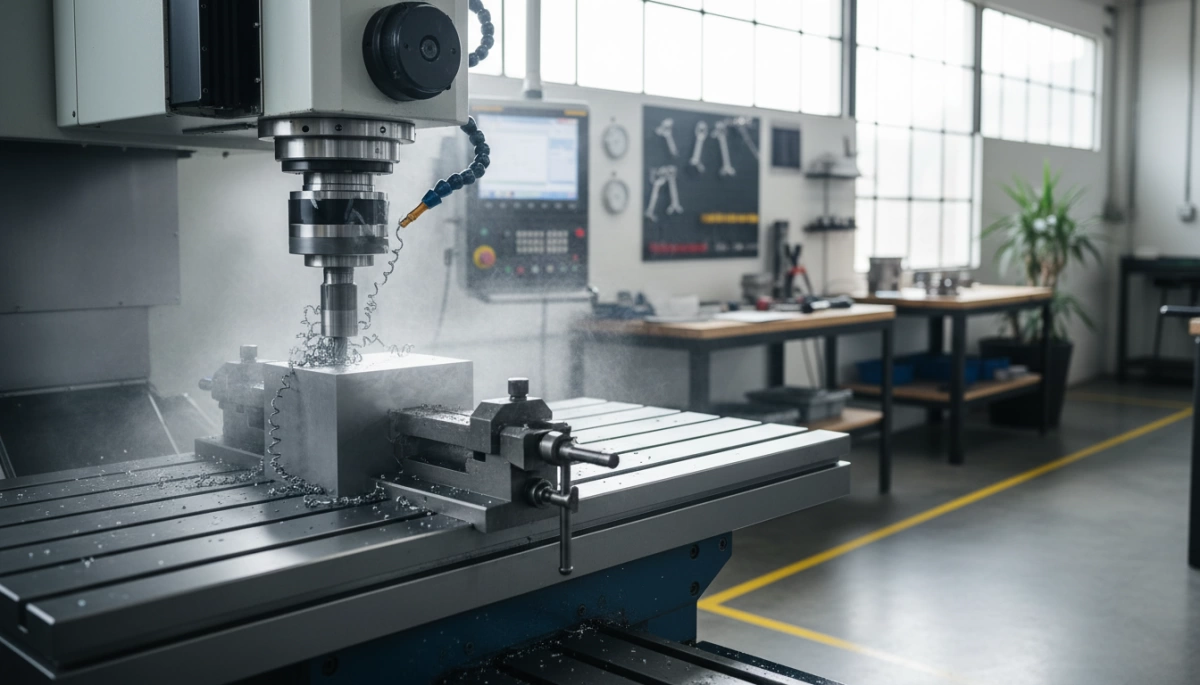
You already know that Machining Stainless Steel is one of the toughest challenges in manufacturing.
It eats cutting tools. It work-hardens instantly. And if your setup isn't rigid, it destroys your tolerances.
But for critical industries like medical and aerospace, this material isn't optional—it’s a requirement.
At ZSCNC, we don't just manage these challenges; we master them daily to deliver precision parts with micron-level accuracy.
In this guide, you’re going to learn the exact strategies for selecting the right grades, controlling thermal distortion, and achieving superior surface finishes.
From 304 to 17-4 PH, here is how we turn a difficult material into a flawless component.
Let’s get to work.
Selecting the Right Stainless Steel Grade
At ZSCNC, we know that material selection defines the success of any machining project. While stainless steel is generally notorious for work hardening, the specific alloy composition dictates the tooling strategy, cycle time, and final application suitability. We guide our clients through these nuances to ensure the material matches the performance requirements.
Austenitic Grades: 304 vs 316 Machining Machinability
The 300 series represents the bulk of our CNC milling and turning projects. However, the 304 vs 316 machining machinability comparison is critical for cost and performance:
- 304/304L: The industry standard "18/8" stainless. It offers excellent general corrosion resistance but tends to be "gummy" during cutting, requiring sharp tools to prevent built-up edges.
- 316/316L: The preferred choice for medical grade stainless steel machining and marine environments. The addition of molybdenum enhances corrosion resistance but increases toughness, requiring more rigid setups and higher cutting forces than 304.
Martensitic & Aerospace Grade 17-4 PH
For structural components where high tensile strength is non-negotiable, we utilize precipitation-hardening and martensitic grades.
- 17-4 PH: This is a staple aerospace grade 17-4 PH material. It offers a superior balance of corrosion resistance and high strength. We typically machine it in the annealed condition and can heat treat it post-machining to achieve specific hardness levels.
- 400 Series: Grades like 440C are magnetic and offer extreme hardness and wear resistance, making them ideal for surgical instruments and cutlery, though they lack the corrosion resistance of the 300 series.
Free-Machining Grades (303) and Trade-offs
When high-volume production speed is the priority, Grade 303 is the optimal choice. The addition of sulfur creates discontinuous chips, preventing the bird-nesting that often plagues CNC turning operations.
- Pros: Significantly faster machining speeds and reduced tool wear.
- Trade-offs: The sulfur content reduces corrosion resistance and makes the material unsuitable for welding. We generally recommend 303 for fasteners, bushings, and fittings where welding is not required.
Why Stainless Steel Machining Fails
At ZSCNC, we frequently encounter projects that faced delays or quality issues elsewhere because the unique behavior of stainless alloys was underestimated. Machining this material requires a fundamentally different approach than carbon steel or aluminum. If the process parameters aren't strictly controlled, the part will fail due to four primary factors.
- Work Hardening: This is the most common cause of failure. If the cutting tool dwells, rubs, or moves too slowly, work hardening stainless steel occurs instantly. The material surface becomes harder than the bulk material, causing the next cutter pass to bounce off or break.
- Heat Retention: Stainless steel has poor thermal conductivity. Unlike other metals that transfer heat into the chips, stainless retains heat at the cutting zone. This concentration of heat leads to thermal deformation in machining, causing dimensional inaccuracies.
- Rapid Tool Breakdown: The combination of high heat and abrasive alloying elements destroys standard tooling. Without optimized speeds and feeds, the cutting edge breaks down rapidly, leading to frequent machine downtime.
- Built-Up Edge (BUE): Because stainless is "gummy," the material tends to pressure-weld itself to the cutting tool. This built-up edge ruins the surface roughness Ra and alters the effective geometry of the tool, compromising precision.
Understanding the specific characteristics of stainless steel materials is the only way to mitigate these risks and ensure consistent quality.
Stainless Steel Machining Best Practices
Success in Machining Stainless Steel isn't about luck; it is about controlling the variables. Since stainless steel is tougher and gummier than carbon steels, we have to adjust our approach to prevent tool failure and scrapped parts. Here is how we handle it on the shop floor.
Maximize Machine Rigidity
Vibration is the enemy. Stainless steel does not forgive a loose setup. We ensure the workpiece is clamped down tight and the tool overhang is kept as short as possible. If the machine lacks rigidity, you will get chatter, poor surface finishes, and snapped tools. A solid setup absorbs the high cutting forces required for these alloys.
Carbide Tooling and Coatings
You cannot use standard tooling and expect good results. We rely exclusively on Carbide tooling for stainless applications. High-Speed Steel (HSS) generally wears out too fast.
- Material: Solid carbide provides the necessary hardness and heat resistance.
- Coatings: We use AlTiN coated end mills (Aluminum Titanium Nitride) or TiCN. These coatings create a heat barrier, allowing the tool to survive the high temperatures generated at the cutting edge.
Understanding the interaction between the alloy and the cutter is crucial. Just as you would carefully research how to select precise CNC machining materials for a critical component, you must select the specific coating that matches the stainless grade.
Aggressive Speeds and Feeds
The biggest mistake operators make is "babying" the cut. If you feed too slowly or let the tool dwell, you cause work hardening stainless steel. The material hardens instantly under the friction, and the next pass becomes impossible.
- Strategy: Keep the feed rate high enough to cut under the work-hardened layer.
- Commitment: Don't rub the material; cut it. Constant engagement is key.
High-Pressure Coolant Systems
Heat retention is a major issue because stainless is a poor conductor of heat. We utilize high-pressure coolant systems to blast the cutting zone. This serves two purposes: it keeps the temperature down to prevent thermal deformation, and it powers our chip evacuation strategies. Getting chips away from the cutter immediately prevents re-cutting, which is a primary cause of premature tool edge breakdown.
ZSCNC Custom Machining Services
At ZSCNC, we specialize in tackling the challenges of machining stainless steel head-on. We don't just cut metal; we optimize the entire production process to ensure your parts meet strict global standards. Our facility is equipped to handle everything from rapid prototyping to high-volume production runs, ensuring consistent quality across difficult-to-machine grades.
5-Axis Milling for Complex Geometries
When dealing with intricate designs, standard 3-axis machines often fall short. We utilize advanced 5-axis CNC milling stainless strategies to produce complex geometries in a single setup. This reduces handling time and significantly improves accuracy, ensuring that even the most difficult features are machined to perfection. Whether you are developing aerospace components or sourcing from a custom CNC machined automotive parts manufacturer, our multi-axis capabilities ensure superior surface finishes and geometric precision.
High-Precision Swiss Machining
For small, slender parts like medical pins, bone screws, and drive shafts, our CNC Swiss machining services provide the stability needed to prevent deflection. By supporting the workpiece close to the cutting tool with a guide bushing, we eliminate vibration and chatter. This setup is critical when working with tough materials like 316L or 17-4 PH, allowing us to maintain speed without sacrificing quality.
Achieving Precision Tolerances
Stainless steel demands rigidity and thermal control. We pride ourselves on achieving precision CNC turning tolerances as tight as +/- 0.005mm. Our quality assurance process ensures that every dimension is verified, preventing the thermal expansion issues common in stainless production.
Our Manufacturing Edge:
- Design for Manufacturing (DFM): We analyze your CAD files to suggest modifications that reduce machining time and costs without compromising functionality.
- Rigid Setups: We use high-torque machines and specialized workholding to combat work hardening during heavy cuts.
- Custom Tooling: We select application-specific carbide tooling to maximize tool life and maintain surface integrity throughout the run.
Surface Finishing and Post-Processing
Machining stainless steel requires more than just cutting metal; the final surface treatment is critical for performance, longevity, and meeting strict industry standards like AS9100. At ZSCNC, we treat post-processing as an integral part of the manufacturing cycle, ensuring every part meets precise surface roughness Ra requirements and aesthetic goals.
We utilize a variety of finishing techniques tailored to the specific grade of stainless steel and its intended application:
- Passivation of Stainless Steel Parts: This is a standard step for most of our stainless components. By chemically removing free iron from the surface, we enhance the natural corrosion resistance of the alloy, which is vital for parts exposed to harsh environments.
- Electropolishing: For medical grade stainless steel machining, we often use electropolishing to achieve a microscopically smooth surface. This process reduces bacterial attachment and improves cleanability, making it essential for surgical instruments and implants.
- Bead Blasting: When a uniform, matte texture is required, bead blasting effectively removes tool marks and provides a consistent cosmetic finish without compromising dimensional accuracy.
- Heat Treatment: To maximize mechanical properties, particularly for grades like 17-4 PH, we perform heat treatment to achieve the desired hardness and tensile strength. This is crucial for high-stress components, such as our aerospace turning parts, where structural integrity cannot be compromised.
Our in-house quality control ensures that every post-processed part maintains the tight tolerances achieved during the machining phase, delivering components that are ready for immediate assembly.
Industry Applications for Stainless Parts
At ZSCNC, we don't just machine metal; we manufacture critical components that keep industries running safely and efficiently. The versatility of stainless steel makes it the material of choice for sectors demanding high corrosion resistance, sterility, and extreme structural integrity. Our facility, equipped with over 40 CNC machines, adapts to the specific regulatory and physical demands of each field.
Medical Surgical Instruments and Implants
In the medical field, failure is not an option. We specialize in medical grade stainless steel machining, primarily using 316L and specialty alloys known for their biocompatibility and resistance to repeated sterilization cycles. Our technicians understand the rigorous standards required for surgical instruments, bone screws, and diagnostic equipment. We ensure every part meets the strict cleanliness and precision requirements expected of an ISO 13485 CNC machine shop environment, delivering surfaces free of burrs and contaminants.
Aerospace Structural Components
Aerospace engineers rely on us for parts that offer high strength-to-weight ratios and heat resistance. We frequently work with Aerospace grade 17-4 PH stainless steel to produce flight-critical hardware, landing gear components, and sensor housings. As an AS9100 certified factory, we maintain full traceability from the raw material ingot to the final inspection, ensuring that every structural element can withstand the stresses of flight.
Energy and Automotive High-Wear Parts
The energy and automotive sectors demand durability. We produce robust components like valve bodies, pump shafts, and fasteners that resist corrosion from harsh fuels and chemicals. For the automotive sector, we act as a comprehensive CNC machining for automotive parts supplier, delivering both stainless steel and aluminum solutions for high-wear applications. Whether it is for renewable energy infrastructure or combustion engines, our parts are machined to endure extreme friction and thermal cycling without deforming.
Frequently Asked Questions About Machining Stainless
Why is stainless steel so difficult to machine?
Stainless steel presents unique challenges primarily due to its high tensile strength and tendency for work hardening. Unlike softer metals, stainless steel hardens instantly when deformed by a cutting tool. Additionally, it has low thermal conductivity, meaning heat builds up at the cutting edge rather than dissipating with the chips. This heat concentration leads to rapid tool breakdown and potential thermal deformation if the process isn't strictly controlled.
What is the best coolant strategy for stainless steel?
Standard flood cooling is often insufficient for rigorous stainless applications. We utilize high-pressure coolant systems, often delivered through the spindle, to blast coolant directly into the cutting zone. This serves two critical functions:
- Heat Removal: It prevents the tool coating from breaking down thermally.
- Chip Evacuation: It forces chips away from the workpiece, preventing re-cutting which causes surface damage.
How do you prevent work hardening in 304 stainless?
Preventing work hardening stainless steel requires an aggressive approach. The tool must never "dwell" or rub against the material. We maintain constant feed rates to ensure the cutting edge gets underneath the hardened layer left by the previous pass. Using sharp, carbide tooling for stainless with AlTiN coatings helps maintain the edge integrity needed for these consistent cuts.
What is the difference between machining 303 and 304?
The main difference lies in machinability versus durability. Grade 303 contains added sulfur, making it a "free-machining" grade that breaks chips easily and reduces tool wear. However, the sulfur reduces corrosion resistance and weldability. Grade 304 is tougher to machine but is the industry standard for corrosion resistance. For applications requiring high durability, such as precision turning of stainless steel for medical equipment, we prioritize the material properties of 304 or 316 over the ease of machining offered by 303.
 English
  German
  Dutch
Dutch  Russian
  Czech
Czech  French
  Korean
  Japanese
  Spanish
  Portuguese