

Top Materials Used for Aerospace Components
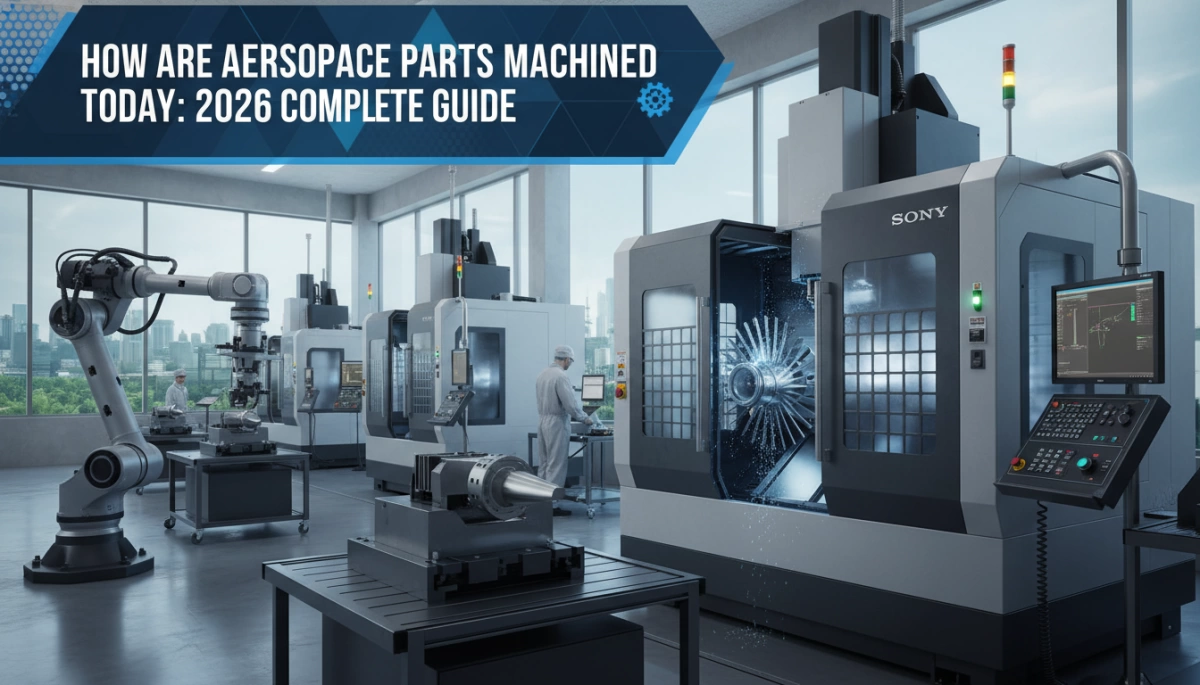
Understanding material selection is the foundational step when exploring how are aerospace parts machined today: 2026 complete guide. Modern aerospace manufacturing demands materials that can withstand extreme environments while minimizing weight to enhance fuel efficiency and payload capacity. Precision CNC machining relies on a specific tier of high-grade metals and advanced polymers to meet strict aviation standards.
Titanium and Lightweight Aluminum Alloys
Lightweight metals are the backbone of commercial and military aircraft structures. Machining these materials requires advanced multi-axis CNC equipment to achieve micron-level accuracy without compromising the material's structural integrity.
- 2026 Aluminum: A standout material in modern aerospace engineering. Compared to traditional 7075 and 6061 aluminum, 2026 aluminum offers superior high-strength characteristics, making it ideal for critical structural components that endure high stress.
- Titanium: Renowned for its exceptional strength-to-weight ratio and high corrosion resistance. Titanium is frequently utilized in landing gear parts, fasteners, and aerodynamic surfaces where durability is non-negotiable.
- Standard Aluminum Grades: 7075 and 6061 remain highly relevant for various aero engine components and fuselage frameworks, offering excellent machinability for rapid prototyping and scalable production.
Inconel and Advanced Superalloys
For components exposed to extreme heat and pressure, standard metals are insufficient. The aerospace sector relies on advanced alloys to maintain stability under severe operational stress.
- High-Temperature Resistance: Superalloys are heavily utilized in the hot sections of turbine engines and exhaust systems where temperatures degrade standard metals.
- Stainless Steel: Alongside superalloys, high-grade stainless steel is heavily machined for structural joints, actuators, and fluid handling systems, providing essential rust resistance and sheer strength.
- Brass and Copper: Utilized for specialized electrical connectors and thermal management systems within avionics, requiring precise Swiss machining for tight tolerances.
High-Performance Polymers and Composites
The push for lighter aircraft has accelerated the adoption of engineering-grade plastics. These materials replace heavier metal counterparts in non-load-bearing and interior applications without sacrificing performance.
- PEEK and PTFE: High-performance polymers like PEEK (Polyether ether ketone) and PTFE offer incredible thermal stability and chemical resistance, making them perfect for fuel system seals and insulating avionics components.
- Nylon and POM: Known for their low friction and high wear resistance, these plastics are frequently machined for gears, bearings, and interior cabin mechanisms.
- ABS and Acrylic: Widely used during the rapid prototyping phase and for manufacturing lightweight interior panels, light covers, and display enclosures.
Modern Machining Processes for Aerospace Manufacturing in 2026
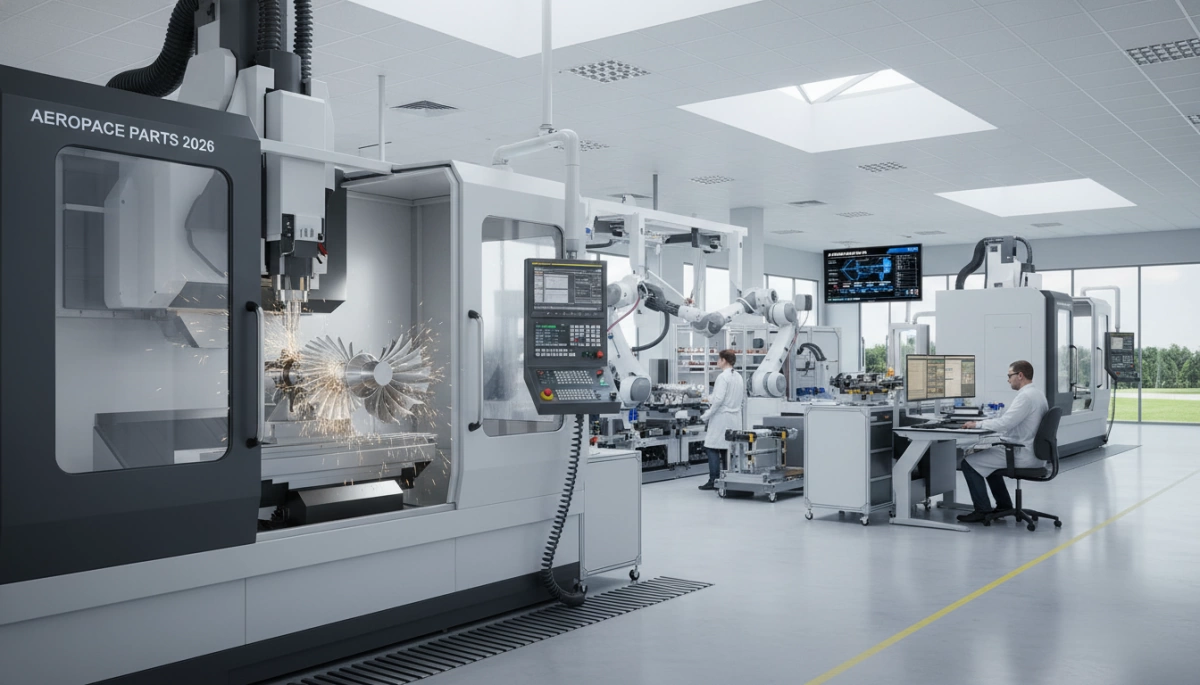
Aerospace manufacturing leaves absolutely zero room for error. To build today's commercial aircraft and military aircraft, we rely on a tight mix of advanced metal manufacturing processes to deliver highly reliable precision components.
5-Axis CNC Milling and Turning
This is the true backbone of aerospace product development. Multi-axis milling allows us to cut extremely complex geometries from a solid block of metal in a single setup. For cylindrical aero engine components, CNC turning is the go-to method. When producing high-precision aerospace turning parts, maintaining tight tolerances is non-negotiable for flight safety.
Why 5-Axis Machining Dominates:
- Speed: Reduces overall cycle times by eliminating multiple manual setups.
- Precision: Dramatically lowers the risk of human error.
- Versatility: Easily handles intricate landing gear parts and structural frames.
Electrical Discharge Machining (EDM)
When we work with advanced superalloys that destroy standard cutting tools, we use EDM. Instead of physical cutting, this process uses electrical sparks to precisely melt and vaporize the material.
- No Mechanical Stress: Perfect for fragile avionics components.
- Intricate Details: Creates sharp internal corners and deep, thin holes.
- Superior Finish: Ensures excellent surface integrity. In aerospace, surface roughness impacts everything from aerodynamics to the fatigue life of the part under immense pressure.
Alternatives: Additive Manufacturing and Forging
While CNC drilling and CNC grinding handle the final precision work, we often start the process differently to save material and boost strength.
- Additive Manufacturing: 3D printing is rapidly changing how we approach lightweighting. We use it to build complex internal geometries layer by layer before sending the part for final multi-axis milling.
- Forging: Compresses metal under extreme pressure to align the grain structure. We use this for high-stress parts like landing gear components before machining them down to their final shape.
- Casting: Ideal for large, hollow engine casings that would waste too much material if machined entirely from scratch.
Key Aerospace Components Machined Today
In modern aerospace manufacturing, producing precision components is about keeping both commercial aircraft and military aircraft safely in the sky. As part of our complete 2026 guide on how aerospace parts are machined today, let's break down the most critical parts we build on the shop floor.
Engine and Propulsion Parts
The heart of the aircraft demands extreme heat resistance and tight tolerances. We machine aero engine components to exact specifications to ensure absolute safety and efficiency.
- Turbine Blades: Machined from superalloys to survive massive thermal stress and rotational forces.
- Fuel Nozzles: Crafted using advanced multi-axis milling to guarantee perfect fluid dynamics and fuel flow.
- Compressor Discs: Often rely on a mix of forging and CNC turning to achieve maximum structural integrity.
Landing Gear and Structural Components
Landing gear parts take the heaviest beating during takeoff and landing. We focus heavily on material strength and fatigue resistance for these load-bearing frames. When engineering these complex, high-stress shapes, applying proper design tips for parts that will be machined on 5-axis CNC helps us cut down cycle times while eliminating structural weak points.
| Component Type | Primary Function | Machining Focus |
|---|---|---|
| Main Struts | Absorbs massive landing impact | Deep hole drilling & heavy-duty turning |
| Wing Spars | Supports the entire wing load | High-speed, large-format aluminum milling |
| Actuator Cylinders | Controls landing gear deployment | Precision internal honing and grinding |
Avionics Enclosures and Flight Controls
Avionics components serve as the brain of the plane. We machine enclosures that protect highly sensitive electronics from moisture, extreme cold, and electromagnetic interference. Making the right choices early in aerospace product development—like understanding exactly how to select precise CNC machining materials—makes a huge difference in the final weight and durability of these units.
- Radar and Sensor Housings: Often utilize highly accurate sheet metal fabrication combined with multi-axis machining.
- Instrument Panels: Rely increasingly on AI-driven manufacturing to ensure flawless, repeatable dashboard layouts.
- Flight Control Levers: Custom-machined from lightweight alloys for perfect pilot ergonomics and immediate mechanical response.
Strict Compliance and Quality Control Standards
If you are researching how are aerospace parts machined today: 2026 complete guide standards emphasize one non-negotiable reality—there is zero room for error. We build our entire manufacturing process around uncompromising quality standards. Whether we are machining commercial aircraft structures or critical aero engine components, strict compliance is what ensures a part will survive extreme altitude, pressure, and temperature.
Essential Aerospace Certifications
You cannot supply precision components to the aviation industry without the right credentials. We operate under strict, internationally recognized frameworks to guarantee flight safety and part reliability.
- AS9100 Rev D: The absolute baseline quality standard required for the aviation, space, and defense sectors.
- ISO 9001:2015: Ensures our core quality management systems are locked in, standardized, and continuously improving.
- ITAR Registration: A strict legal requirement we follow when handling sensitive military aircraft and defense contracts.
Material Traceability and Documentation
Knowing exactly where your metal comes from prevents counterfeit or sub-standard materials from entering the aerospace supply chain. Flawless material traceability is built directly into our daily workflow.
- Mill Test Reports (MTRs): We verify the exact chemical composition and physical properties of all raw materials before any machining begins.
- Heat Lot Tracking: We tie every finished landing gear part or structural bracket back to its original raw material heat batch.
- First Article Inspection (FAI): We provide comprehensive AS9102 documentation to prove the initial setup meets all blueprint requirements before we launch full production.
Advanced Inspection and Quality Management
Meeting extremely tight tolerances requires serious validation. We deploy high-end inspection technology to verify our CNC machining services right down to the micron, ensuring every feature is exactly where it needs to be.
| Inspection Method | What We Use It For | Why It Matters |
|---|---|---|
| Coordinate Measuring Machines (CMM) | Validating complex 3D geometries, multi-axis milling features, and extreme tolerances. | Ensures avionics components and engine housings fit perfectly on the final assembly line. |
| Non-Destructive Testing (NDT) | Checking for microscopic internal cracks, voids, or structural flaws without damaging the part. | Critical for flight-safety and propulsion parts where structural failure is not an option. |
| Optical Profilometry | Measuring surface finishes and tool marks at a microscopic level. | Reduces friction, wear, and fatigue on moving mechanical assemblies. |
Current Challenges in Aerospace Machining
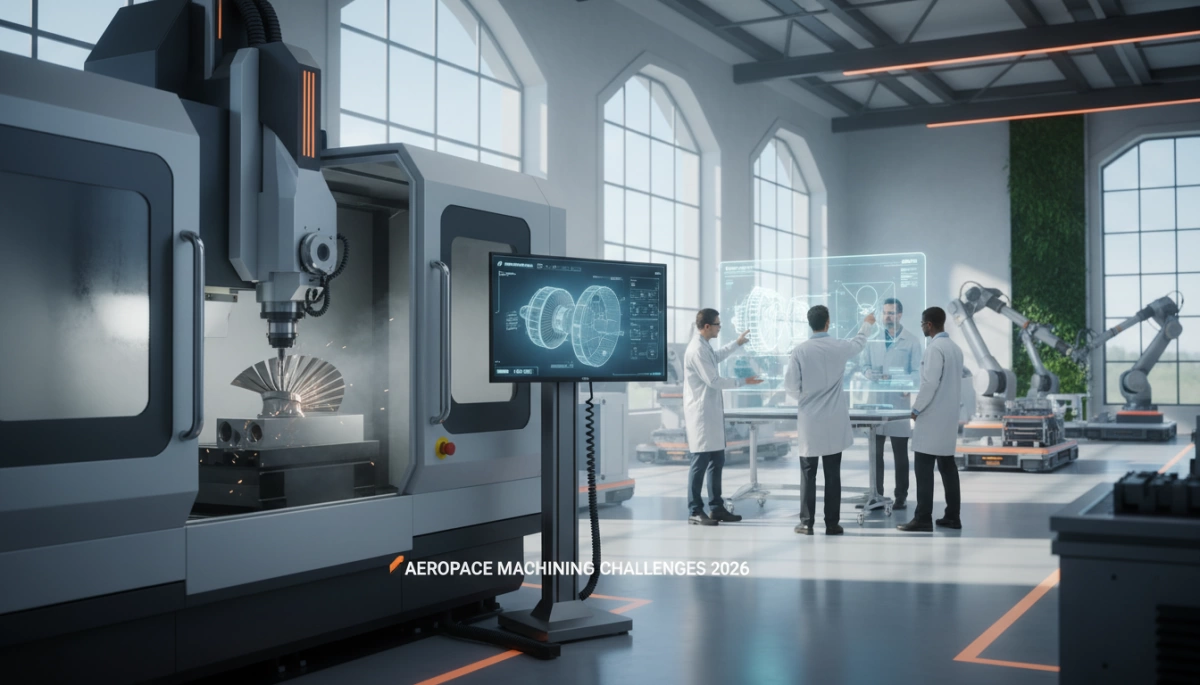
If you want to fully understand how are aerospace parts machined today, our 2026 complete guide must address the real-world hurdles we face on the shop floor. Producing flight-ready hardware is incredibly demanding, and we constantly navigate a specific set of high-stakes manufacturing obstacles.
Cutting Difficult-to-Machine Materials
We regularly deal with superalloys and composites that literally fight back. Manufacturing aero engine components and structural frames requires materials that can survive extreme environments, but these same properties make them a nightmare to cut.
- Titanium: Offers an unmatched strength-to-weight ratio, but it dissipates heat poorly, sending all the cutting heat directly into our tools.
- Inconel: Essential for high-heat applications, but notoriously prone to work-hardening during metal manufacturing processes.
- Composites: Prone to delamination and fraying if the cutting speeds and feeds aren't perfectly dialed in.
Meeting Extreme Tolerances and Complex Geometries
In aerospace manufacturing, "close enough" is an immediate failure. We are expected to reliably produce precision components with highly complex, organic shapes designed for optimal aerodynamics.
- Zero Margin for Error: We consistently hold tight tolerances down to the micron level.
- Complex Tool Access: Machining deep cavities and undercut features requires high-end multi-axis milling to reach awkward angles without removing and resetting the workpiece.
- Clear Communication: Because these quality standards are absolute, using a comprehensive checklist for RFQs to Chinese CNC suppliers is crucial to ensure every critical geometric tolerance is understood before the first cut is ever made.
Managing Tool Wear and Cycle Times
Tough materials destroy cutting tools fast. Balancing the need for speed with the high cost of replacement tools is a daily battle. If we push a machine too hard during CNC turning or milling, the tool snaps and ruins an expensive part. If we run it too slow, cycle times stretch, and lead times blow up.
Our Core Solutions for Tool Management:
- Dynamic Toolpaths: Utilizing modern software to maintain constant chip loads and prevent tool spikes.
- AI-Driven Manufacturing: Using real-time spindle monitoring to predict tool failure before it happens, allowing for safe, automated tool changes.
- High-Pressure Coolant Delivery: Blasting coolant directly into the cutting zone to shatter chips and keep thermal expansion in check.
Best Practices for Aerospace Product Development
Design for Manufacturability (DFM)
Integrating DFM early in aerospace product development is non-negotiable. We analyze every design to ensure it can be machined efficiently while still meeting the tight tolerances required for flight. By simplifying complex geometries and selecting the appropriate machining materials right from the start, we prevent costly redesigns and ensure structural integrity for both commercial aircraft and military applications.
Rapid Prototyping and Simulation
Before moving to full production, we rely heavily on advanced engineering and simulation. These digital tools allow us to predict how parts will behave under extreme stress and identify potential machining issues. From there, we use rapid prototyping to create physical models quickly. This step is critical for validating the design, testing fitment, and refining the manufacturing process to meet strict quality standards.
Cost Reduction and Lead Time Optimization
Aerospace manufacturing requires heavy investment, but smart planning keeps budgets in check and accelerates delivery. We focus on several key areas to optimize the production cycle:
- Standardizing features: Using standard hole sizes and internal radii minimizes the need for custom cutting tools and frequent tool changes.
- Optimizing tool paths: Efficient CNC programming reduces machine cycle times and extends tool life.
- Consolidating operations: Combining multi-axis milling and turning into single setups reduces handling time and eliminates alignment errors.
- Streamlining supply chains: Managing both the machining and finishing processes under one roof drastically cuts down overall lead times.
 English
  German
  Dutch
Dutch  Russian
  Czech
Czech  French
  Japanese
  Spanish
  Portuguese
  Korean