

Understanding High-Temperature Plastics
When standard polymers fail under thermal stress, High Temperature Plastic Parts are the only viable solution. We aren't talking about everyday commodity plastics here; we are dealing with the absolute top of the performance pyramid. These are high-performance thermoplastics engineered to survive environments where standard materials would melt, warp, or degrade.
The Performance Pyramid
Moving up from standard materials, you reach the elite tier of engineering plastics. This is where materials like PEEK, PEI (Ultem), and PPS reside. They bridge the gap between traditional plastics and metals, offering the lightweight versatility of a polymer with the resilience typically reserved for aluminum or steel. Whether you are sourcing for aerospace or medical devices, these materials are chosen for their ability to perform under extreme stress.
Critical Properties for Extreme Environments
To survive in high-heat applications, a material needs more than just a high melting point. Our manufacturing partners ensure your parts deliver on:
- Thermal Stability: Resisting degradation at continuous high service temperatures.
- Mechanical Strength Retention: Maintaining structural integrity and stiffness even as temperatures rise.
- Dimensional Accuracy: Holding tight tolerances (down to +/- 0.001mm in our CNC process) despite aggressive heat cycles.
- Low Creep: Resisting deformation under long-term mechanical stress.
Common Manufacturing Challenges
Working with heat resistant plastics requires specialized expertise. Without precise process control, you face significant risks:
- Thermal Expansion: High heat can alter dimensions if not calculated correctly during the Design for Manufacturing (DFM) phase.
- Machining Stresses: Incorrect tool speeds on materials like PEEK can introduce internal stress, leading to part failure.
- Material Degradation: Overheating during injection moulding can compromise the molecular structure before the part is even finished.
We navigate these complexities daily through our vetted network, ensuring your parts meet strict ISO9001 standards regardless of the thermal demands.
Top High-Performance Materials for Heat-Resistant Parts
When manufacturing High Temperature Plastic Parts, selecting the right material is critical for ensuring component longevity and performance under thermal stress. We move beyond standard commodity plastics to the top of the polymer pyramid, utilizing advanced engineering thermoplastics designed for extreme environments. Our platform specializes in processing these materials through both CNC machining and injection moulding, ensuring precise tolerances regardless of the thermal demands.
PEEK (Polyetheretherketone)
Often considered the gold standard in high-performance thermoplastics, PEEK offers an exceptional combination of high mechanical strength and chemical resistance. It maintains its structural integrity at elevated temperatures where other plastics would degrade. We frequently process PEEK for aerospace and medical applications due to its ability to withstand sterilization and aggressive chemicals. While it sits at a higher price point, its performance in replacing metal components makes it invaluable for weight reduction without sacrificing durability.
PEI (Ultem)
PEI, commonly known by the trade name Ultem, is a high-strength amorphous thermoplastic available in natural (amber) and black grades. It is renowned for its outstanding dielectric strength and rigidity. PEI injection moulding and machining are ideal for electrical connectors and medical devices requiring repeated autoclaving. It offers a continuous service temperature that rivals PEEK but often comes at a more accessible cost, making it a preferred choice for structural components in the automotive and electronics sectors.
PPS (Polyphenylene Sulphide)
For applications requiring extreme chemical resistance alongside thermal stability, PPS is a standout performer. We specifically utilize grades like PPS with 40% Glass Fibre to enhance structural integrity and dimensional stability. This material bridges the gap between standard engineering plastics and ultra-high-performance polymers. It is inherently flame retardant and exhibits very low moisture absorption, making it perfect for precision parts like valves, pumps, and automotive fuel systems operating in harsh fluids.
PTFE (Polytetrafluoroethylene)
Known for its incredibly low coefficient of friction and near-universal chemical inertness, PTFE is essential for sliding applications and seals. While it is softer than PEEK or PEI, its thermal range is impressive. We manufacture custom PTFE components for industries requiring high-purity and non-stick properties, such as semiconductor manufacturing and food processing. Its electrical insulation properties also make it a staple in high-heat cable insulation.
PAI (Polyamide-imide)
PAI, or Torlon, occupies the very peak of the plastic performance pyramid. It offers the highest strength and stiffness of any thermoplastic at elevated temperatures. However, it requires careful processing and post-curing to achieve its full properties. PAI is typically reserved for the most demanding heat resistant plastics applications, such as transmission thrust washers and bearing cages, where it serves as a direct replacement for metal in high-stress, high-heat environments.
Material Performance Comparison
To help you navigate the trade-offs between thermal performance, strength, and cost, we have compiled a comparison of these key engineering thermoplastics:
| Material | Continuous Service Temp | Tensile Strength | Chemical Resistance | Relative Cost | Best For |
|---|---|---|---|---|---|
| PEEK | ~250°C | Excellent | Excellent | High | Metal replacement, aerospace, medical implants |
| PEI (Ultem) | ~170°C | Very Good | Good | Medium-High | Electrical components, medical devices, structural parts |
| PPS (40% GF) | ~200°C | High (Rigid) | Excellent | Medium | Automotive fluids, precision valves, pump housings |
| PTFE | ~260°C | Low | Outstanding | Medium | Seals, bearings, chemical handling, insulators |
| PAI (Torlon) | ~275°C | Outstanding | Very Good | Very High | High-load bearings, gears, extreme heat structural parts |
Applications of High-Temperature Plastic Parts
High-performance thermoplastics are rapidly replacing metal components across demanding industries. By leveraging advanced manufacturing methods like CNC machining and injection moulding, we deliver High Temperature Plastic Parts that offer exceptional thermal stability without the weight penalties of traditional alloys. From PEEK machining to PEI Ultem parts, these engineering materials are critical where failure is not an option.
Aerospace and Aviation
In the aerospace sector, weight reduction equals fuel efficiency. We utilize heat-resistant plastics to manufacture interior components, structural brackets, and engine parts that withstand extreme thermal cycling. Materials like PEEK and PEI provide the necessary flame retardancy and low smoke emission properties required for cabin safety. Our capabilities in producing aerospace turning parts ensure that even complex geometries meet the tight tolerances (down to +/- 0.001mm) required for flight-critical hardware.
Automotive and Electric Vehicles (EV)
The shift toward high-efficiency engines and electric powertrains drives the demand for heat resistant plastics. Under-hood components must survive continuous exposure to aggressive fluids and high temperatures.
- Battery Systems: Thermal management components and electrical insulators.
- Connectors: PPS high temp plastics are ideal for sockets and sensors due to their dimensional stability.
- Metal Replacement: Replacing aluminum brackets with reinforced polymers to reduce vehicle mass.
Medical Technology
Medical devices require materials that can withstand repeated sterilization cycles, such as autoclaving, without degrading. We process high-performance thermoplastics that meet strict regulatory standards, supported by ISO13485 quality management systems.
- Surgical Instruments: PEEK handles and grips that remain cool to the touch.
- Implantables: Biocompatible grades for long-term use.
- Housings: Durable, chemical-resistant casings for diagnostic equipment.
Industrial and Energy Sectors
In Oil & Gas and semiconductor manufacturing, parts face a brutal combination of heat, pressure, and corrosive chemicals. Engineering thermoplastics like PEEK and PPS offer superior chemical resistance compared to many metals.
- Seals and Valves: Maintaining integrity in high-pressure downhole environments.
- Semiconductor Processing: Wafer handling components that resist plasma and high heat.
- Industrial Machinery: Gears and bushings that operate without lubrication in hot processes, reducing maintenance downtime.
Why CNC Machining Excels for High-Temperature Plastic Parts
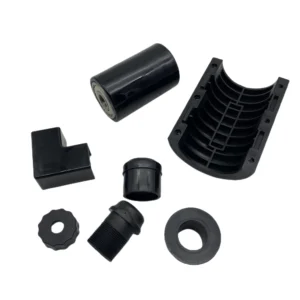
When developing components for extreme environments, selecting the right manufacturing process is just as critical as choosing the material. For High Temperature Plastic Parts, CNC machining often outperforms other methods, particularly during the development phase and low-volume production runs. Unlike injection molding, which requires expensive metal molds and long lead times, CNC machining allows us to cut parts directly from stock shapes (rods or sheets). This eliminates upfront tooling costs and enables rapid design iterations.
For engineers needing functional prototypes or small batches of PEEK machining or PEI Ultem parts, this speed and flexibility are unmatched. We can transition from a CAD file to a finished part in as little as a few days. Our custom CNC machining services for overseas buyers are designed to handle these complex requirements, ensuring that high-performance thermoplastics are processed without degrading their material properties.
Precision Capabilities at ZSCNC
Machining heat-resistant plastics requires a distinct approach compared to metals. At ZSCNC, we leverage advanced equipment to achieve precision CNC plastic parts with tolerances as tight as +/- 0.001mm. We understand that high-performance thermoplastics can be sensitive to heat generation during cutting. Our process ensures:
- Stress-Free Machining: We utilize specific clamping techniques to prevent deformation.
- Superior Surface Finishes: Achieving optical clarity or smooth sealing surfaces without post-processing.
- Complex Geometries: 5-axis capabilities allow us to machine undercuts and intricate features that are impossible or too costly to mold.
Critical Machining Tips for Thermal Stability
To maintain the integrity of heat resistant plastics, we implement strict process controls. High-temp materials like PPS or glass-filled PEEK can be abrasive or prone to stress-cracking if not handled correctly.
- Annealing: We often recommend or perform annealing cycles before and after roughing to relieve internal stresses, ensuring excellent dimensional stability.
- Coolant Strategies: Using non-chemical coolants or air blasts to manage heat buildup at the cutting zone prevents the plastic from softening or smearing.
- Tool Selection: We use diamond-coated or carbide tooling specifically designed for engineering thermoplastics to maintain sharp edges and prevent burrs, especially with fiber-reinforced grades.
Comparison: CNC vs. Injection Molding vs. 3D Printing
Choosing the right method depends on your volume and tolerance needs. Here is how CNC stacks up against the alternatives for high-heat polymers.
| Feature | CNC Machining | Injection Molding | 3D Printing (FDM/SLS) |
|---|---|---|---|
| Ideal Volume | 1 – 1,000 parts | 1,000+ parts | 1 – 50 parts |
| Tooling Cost | None (Low setup) | High (Molds required) | None |
| Tolerances | High (+/- 0.001mm) | Medium (+/- 0.005mm) | Low (+/- 0.1mm) |
| Material Properties | Excellent (Isotropic) | Excellent | Good (Anisotropic/Layer weakness) |
| Surface Finish | Smooth / Machined | Smooth / Textured | Rough / Layer lines |
| Speed | Fast (Days) | Slow (Weeks for tooling) | Fast (Hours/Days) |
For projects requiring strict validation, such as those in the medical sector, our prototyping services for medical device startups provide the exact material properties of the final production part, something 3D printing often cannot guarantee.
Material Selection Guide for High Temperature Plastic Parts
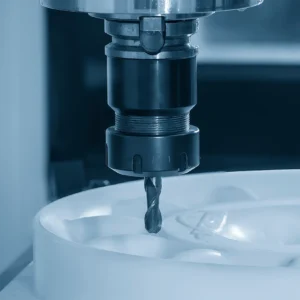
Selecting the right engineering thermoplastic is critical when your components face extreme thermal environments. With our platform offering access to over 130 materials for injection moulding and 120+ for CNC machining, we help you navigate the trade-offs between thermal stability, mechanical strength, and cost. Whether you are prototyping a single unit or scaling to high-volume production, making the correct choice early prevents costly failures later.
Key Factors for Selection
When specifying high temperature plastic parts, you must look beyond just the melting point. We recommend evaluating these core criteria to ensure the material performs under stress:
- Operating Temperature: Distinguish between continuous service temperature and Heat Deflection Temperature (HDT). Materials like PEI (Ultem) and PEEK excel here, maintaining integrity where commodity plastics fail.
- Chemical Resistance: High heat often accelerates chemical attacks. Ensure your chosen polymer can withstand the specific solvents or fuels in your application.
- Mechanical Load: Consider how the material behaves under load at elevated temperatures to avoid creep.
- Regulatory Compliance: For medical or food-contact parts, verify certifications (like ISO13485 standards we support).
For a detailed breakdown of matching material properties to manufacturing processes, review our insights on how to select precise CNC machining materials to optimize your project's success.
Filled vs. Unfilled Grades
To enhance performance, we often recommend composite grades. Adding reinforcements can significantly alter the physical properties of heat resistant plastics:
- Glass Fibre Filled: We offer materials like PPS with 40% Glass Fibre and PA6/6 (up to 30% Glass Fibre). These fillers drastically increase stiffness and dimensional stability, reducing thermal expansion rates closer to that of metals.
- Unfilled Grades: Choose these when surface finish, purity, or electrical insulation are the priority. Unfilled grades are also less abrasive on mating parts.
Metal-to-Plastic Conversion
Replacing metal with high performance thermoplastics is a growing trend in aerospace and automotive sectors. This switch offers substantial weight reduction, corrosion resistance, and lower manufacturing costs through injection moulding.
Benefits of Switching:
- Weight Reduction: Plastics are significantly lighter than aluminum or steel, improving fuel efficiency in transport applications.
- Design Freedom: Complex geometries that are difficult to machine in metal can be easily moulded.
- Cost Efficiency: Eliminating secondary finishing steps required for metals reduces the total cost per part.
Top-tier materials like PEEK provide the necessary strength-to-weight ratio to serve as viable metal replacements in structural components, offering a robust solution for demanding engineering challenges.
ZSCNC's Expertise in High-Temperature Plastic Machining
At ZSCNC, we specialize in bridging the gap between complex engineering requirements and precision manufacturing. We understand that sourcing reliable High Temperature Plastic Parts requires more than just standard tooling; it demands specialized knowledge of how advanced thermoplastics behave under stress. We maintain a robust supply chain and stock availability for top-tier materials like PEEK, PEI (Ultem), and PPS, ensuring we can start your project without delays caused by material sourcing.
Our facility is equipped to handle everything from one-off prototypes to high-volume serial production. By utilizing advanced 5-axis CNC machining technology, we can achieve complex geometries and tight tolerances that standard 3-axis machines often struggle with, particularly when machining rigid, heat-resistant polymers.
We prioritize reliability and speed through a streamlined manufacturing process:
- ISO-Certified Quality: Every part undergoes rigorous inspection to ensure it meets your exact specifications and maintains dimensional stability.
- Expert DFM Feedback: Our engineers provide real-time Design for Manufacturing analysis to optimize your CAD files for cost-efficiency and manufacturability.
- Full Traceability: We offer complete material certification and process tracking for critical industries like aerospace and medical.
- Rapid Turnaround: Our optimized workflow allows us to deliver custom parts in as little as a few days, offering competitive pricing without sacrificing quality.
Frequently Asked Questions (FAQs)
What is the highest temperature plastic material available?
For extreme thermal environments, PEEK (Polyetheretherketone) and PAI (Torlon) are the top performers in our material library. PEEK offers exceptional thermal stability with a continuous service temperature around 260°C (500°F) and retains excellent mechanical strength even under stress. PEI (Ultem) is another strong contender, widely used in aerospace for its high heat resistance and flame retardancy. If your application requires resisting extreme heat while maintaining dimensional accuracy, these engineering thermoplastics are the industry standard.
How do I choose the right high-temperature plastic for my project?
Selecting the right material depends on three critical factors: operating temperature, chemical exposure, and mechanical load.
- Thermal Needs: Check the Continuous Service Temperature and Heat Deflection Temperature (HDT).
- Environment: For acidic or harsh chemical environments, PPS (Polyphenylene Sulphide) is often the best choice due to its superior chemical resistance.
- Budget & Application: PEEK delivers the highest performance but at a higher cost, while PEI offers a balanced cost-to-performance ratio for structural components.
Reviewing our comprehensive plastic materials guide can help you match specific properties to your application requirements.
Can high-temperature plastics replace metal parts effectively?
Absolutely. Metal replacement plastics are increasingly common in automotive and aerospace sectors to reduce weight and eliminate corrosion issues. High-performance thermoplastics like carbon-filled PEEK or glass-filled PPS offer strength-to-weight ratios comparable to aluminum but with added benefits like electrical insulation and chemical inertness. By converting to plastic, you often reduce manufacturing costs and improve fuel efficiency in the final assembly without sacrificing durability.
Is CNC machining better than injection molding for high-temp plastics?
The choice between precision CNC plastic parts and injection molding comes down to volume and lead time.
- CNC Machining: Ideal for prototyping and low-to-medium volume production (1–500+ parts). It requires no tooling investment and allows for rapid delivery, often within 3–5 days. It is perfect for testing complex geometries in materials like PEEK or Ultem before committing to molds.
- Injection Molding: The superior choice for high-volume serial production. While it involves upfront tooling costs, it significantly lowers the price per unit for large batches.
Our platform supports both processes, allowing you to scale seamlessly from a machined prototype to full-scale production.
 English
  German
  Dutch
Dutch  Russian
  Czech
Czech  French
  Korean
  Japanese
  Spanish
  Portuguese