
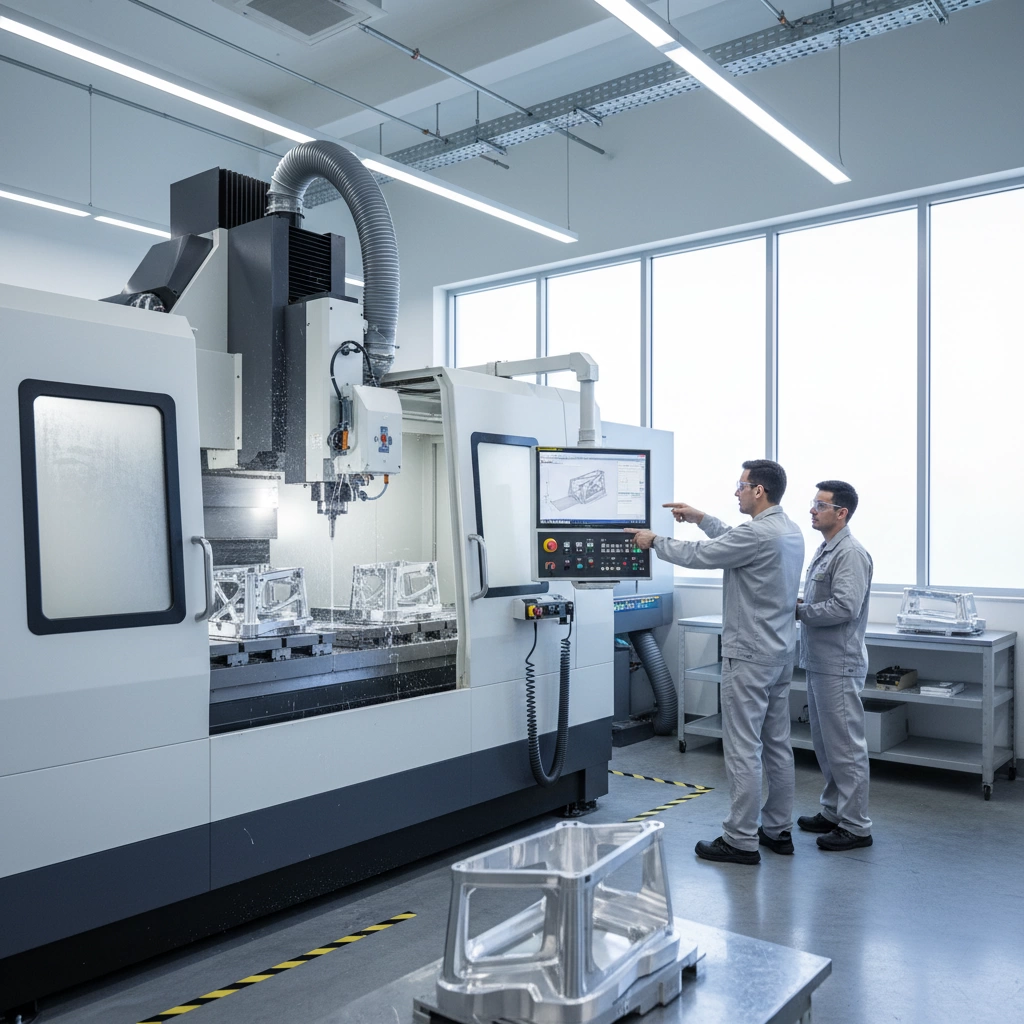
Introduction to 2026 Aluminum CNC Machining for Aerospace
At Shanghai Zhansong Industry Co., Ltd. (ZSCNC), we understand that the aerospace industry demands materials and manufacturing processes that guarantee absolute reliability. Sourcing 2026 aluminum CNC machining for aerospace high-strength components is a critical step for engineers designing parts that require superior damage tolerance and structural integrity. Since 2013, our in-house factory has leveraged over 40 advanced CNC machines to transform high-performance alloys into flight-ready precision parts. We bridge the gap between complex material requirements and rapid, scalable production.
What is 2026 Aerospace Aluminum?
In the realm of aviation, material selection is paramount. While we process a wide variety of standard metals—including Aluminum, Titanium, and Stainless Steel—aerospace applications often specify high-strength alloys like the 2000-series (including 2026) for their exceptional fatigue resistance and high tensile strength. These materials are engineered to withstand the extreme stresses of flight. Our facility is fully equipped to machine these specific aerospace-grade aluminums, ensuring that the raw material’s mechanical properties are preserved through precise, low-stress machining strategies.
The Role of CNC Machining in Aircraft Manufacturing
Precision manufacturing is the backbone of modern aerospace engineering. Utilizing our fleet of 3-axis, 4-axis, and 5-axis machining centers, along with Swiss-style lathes, we deliver the micron-level accuracy required for critical aircraft systems. CNC machining allows us to achieve:
- Complex Geometries: Creating intricate internal features and lightweight structures that are impossible with traditional casting.
- Strict Tolerances: Maintaining consistent dimensions essential for safety-critical assemblies.
- Rapid Verification: Our “Concept to Prototype” process allows for functional verification in as fast as 7 days, accelerating development cycles.
Meeting the Demand for High-Strength Components
Delivering high-strength aerospace components requires more than just cutting metal; it requires a rigorous commitment to quality. As an ISO 9001 certified manufacturer, ZSCNC implements comprehensive inspection protocols to ensure every machined part meets exact specifications. We support the aerospace supply chain by offering:
- Small-Batch Customization: Flexible production runs that accommodate the low-volume, high-mix nature of aerospace projects.
- Material Versatility: Expertise in handling tough alloys without inducing thermal damage or stress risers.
- Global Export Standards: Experience serving markets in the USA, Europe, and Japan with a robust logistics network.
Key Advantages of 2026 Aluminum in High-Strength Components
When we machine parts for the aerospace sector, material selection dictates performance. 2026 aluminum CNC machining for aerospace high-strength components provides a distinct operational edge over older, traditional alloys. As a specialized part of the 2xxx series aluminum family, it is purpose-built to survive the intense physical and environmental demands of modern aviation.
Exceptional Strength-to-Weight Ratio Benefits
In aerospace manufacturing, every ounce we save translates to better aircraft performance. We rely on 2026 aluminum because it delivers massive yield strength without weighing down the final assembly.
- Increased Payload Capacity: Lighter advanced materials allow aircraft to carry heavier loads.
- Better Fuel Economy: Shedding structural weight directly reduces fuel consumption per flight.
- Reliable Rigidity: Provides the necessary stiffness for critical defense components without the bulk of steel or older alloys.
Superior Fatigue Resistance and Fracture Toughness
Aircraft frames endure endless cycles of pressurization, turbulence, and extreme vibration. 2026 aluminum naturally excels at resisting the microscopic cracks that typically cause part failure over time.
- Absorbs repeated, high-stress impacts far better than standard aerospace alloys.
- Ensures a longer, safer service life for load-bearing structures.
- We maximize this trait during production: maintaining optimal surface roughness (Ra) during CNC machining dramatically improves the part’s fatigue life and baseline fracture toughness.
Thermal Stability in Extreme Flight Conditions
High-speed flights and varying altitudes subject aircraft to violent temperature shifts. Components machined from 2026 aluminum remain incredibly stable, retaining their core mechanical properties whether they are freezing at cruising altitude or heating up from aerodynamic friction.
| Material Advantage | Impact on High-Strength Components |
|---|---|
| High Yield Strength | Resists permanent deformation under sudden, heavy flight loads. |
| Fracture Toughness | Safely prevents crack propagation in critical structural joints. |
| Thermal Stability | Prevents warping, expansion, or strength loss across extreme temperature drops and spikes. |
Advanced CNC Machining Capabilities for Aerospace Parts
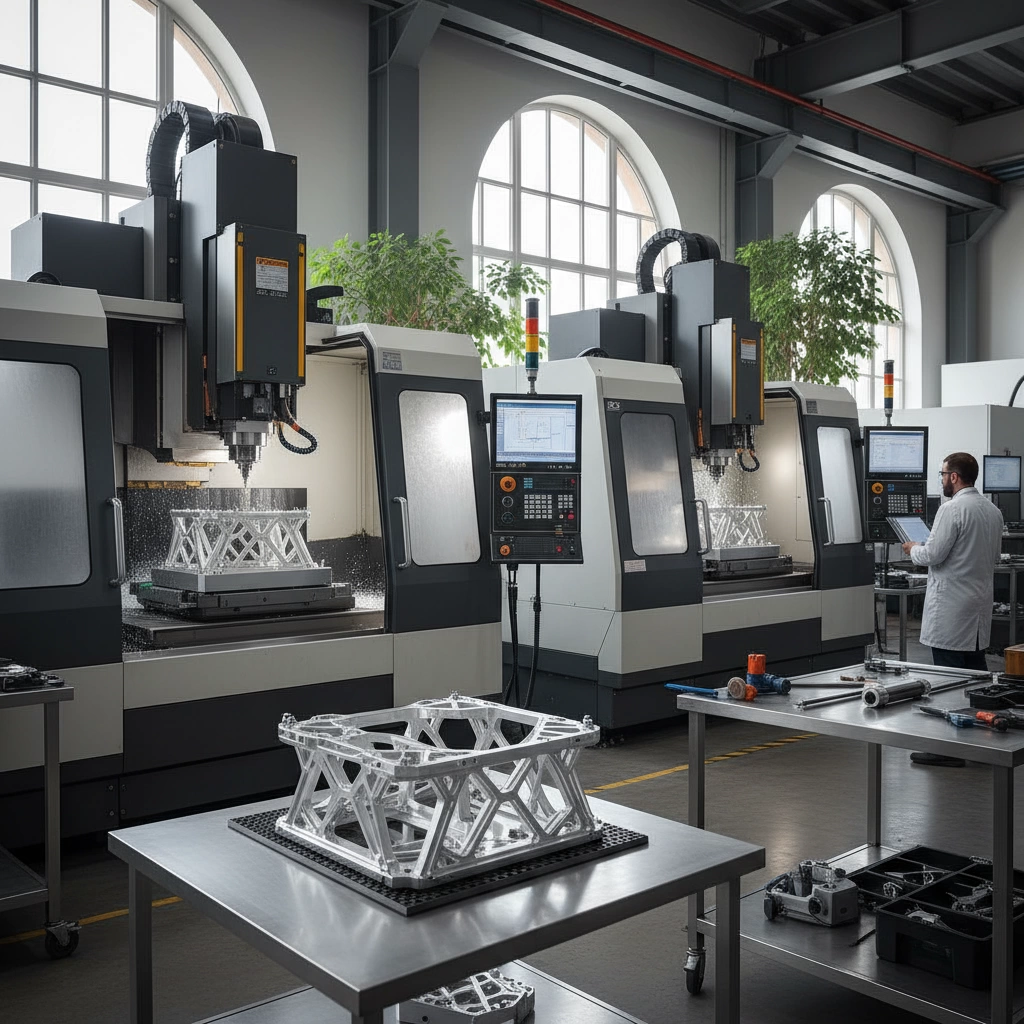
Handling 2026 aluminum CNC machining for aerospace high-strength components requires more than just basic shop equipment. We combine multi-axis machining with deep aerospace manufacturing expertise to turn these tough copper alloy blends into reliable, flight-ready high-precision aerospace parts.
5-Axis CNC Machining for Complex Geometries
When working with advanced materials like 2xxx series aluminum, traditional 3-axis setups simply don’t cut it. We leverage 5-axis precision equipment to tackle complex geometries in a single, streamlined setup. This eliminates the need to constantly reposition the metal, drastically reducing human error and boosting overall accuracy. If you are currently in the engineering phase, reviewing these <a href=”https://zscncparts.com/design-tips-for-parts-that-will-be-machined-on-5axis-cnc/“>design tips for parts that will be machined on 5-axis CNC is a smart move to optimize your custom aircraft brackets and save on production costs.
Achieving Tight Tolerances in Structural Aluminum
In this industry, hitting exact specs is non-negotiable. Whether we are producing heavy-duty aircraft structural parts or sensitive defense components, we maintain strict control over the entire milling and turning process.
- High-Speed Spindles: Ensures incredibly clean cuts and preserves the core yield strength of the alloy.
- Thermal Control: Prevents the material from warping during intense precision aerospace machining.
- Repeatability: Delivers reliable, high-tolerance components batch after batch, exactly to spec.
Thin-Wall Machining and Lightweighting Strategies
Cutting weight while maintaining structural integrity is the ultimate goal for modern flight. While 2026 aluminum is incredibly strong, machining it down to paper-thin walls without bending or breaking the part takes serious skill. Here is how we manage lightweighting:
| Machining Challenge | Our Direct Solution |
|---|---|
| Vibration & Chatter | Custom dampening fixtures and highly tuned tool paths. |
| Heat Distortion | High-pressure, precisely targeted coolant systems. |
| Internal Material Stress | Strategic roughing and finishing passes to safely relieve tension. |
Aerospace Applications for 2026 Aluminum CNC Parts
When we handle 2026 aluminum CNC machining for aerospace high-strength components, we focus on where the material performs best. This 2xxx series aluminum is a fundamental choice for parts that simply cannot fail under pressure.
Critical Aircraft Structural Components and Brackets
Our aerospace manufacturing process heavily relies on 2026 aluminum to build the physical backbone of modern aircraft. These aircraft structural parts demand high yield strength and exceptional fatigue resistance to keep planes in the sky safely for decades.
- Wing Ribs and Spars: Machining the internal structural framing that supports primary flight loads and wing flex.
- Custom Aircraft Brackets: Producing heavy-duty mounting points for landing gear, engine pylons, and cargo floors.
- Defense Components: Supplying high-stress bulkheads and reinforcements for military aviation.
High-Performance Fluid and Mechanical Systems
Hydraulic and fuel systems run at extreme pressures and varying temperatures. We manufacture fluid control parts that keep these critical systems leak-free. Producing these high-tolerance components efficiently often involves leveraging our CNC mill-turn services to process complex geometries rapidly in a single setup without losing precision.
- Hydraulic Manifolds: Routing fluid power with zero-leakage reliability.
- Actuator Housings: Protecting the internal mechanical systems that control flaps and rudders.
- Fuel System Valves: Managing high-flow, pressurized fuel lines safely.
Avionics Enclosures and Precision Fittings
Sensitive flight electronics require protective, lightweight housings that block out interference and survive heavy vibration. Precision aerospace machining ensures these parts fit perfectly within the tightly packed spaces of an airframe.
| Application Type | Key Requirement | Machining Focus |
|---|---|---|
| Radar & Sensor Housings | Structural rigidity, low weight | Thin-wall machining |
| Cockpit Control Panels | Precise mounting hole placement | 5-axis precision |
| Precision Fittings | Perfect seals, tight tolerances | Multi-axis machining |
We consistently deliver high-precision aerospace parts that meet strict industry standards, ensuring every enclosure, bracket, and fitting does exactly what it is designed to do.
Comparing 2026 Aluminum with Other Aerospace Grades

When sourcing 2026 aluminum CNC machining for aerospace high-strength components, selecting the right alloy is critical for balancing weight, strength, and durability. At Shanghai Zhansong, we process a wide variety of aerospace-grade materials, helping global clients navigate the trade-offs between different aluminum series. While 2026 is a specialized choice for high-damage tolerance, it is essential to see how it compares to the industry standards we machine daily.
2026 vs. 7075-T6: High-Stress Structural Parts
7075-T6 remains one of the hardest aluminum alloys available, offering exceptional yield strength primarily due to its zinc content. It is the standard for parts under immense static load. However, 2026 aluminum is often selected over 7075 in applications where damage tolerance and fatigue performance are prioritized over pure static strength.
- Machinability: Both alloys require rigid CNC setups, but 7075 is harder, leading to faster tool wear.
- Application: We typically machine 7075 for gears and fuse parts, whereas 2026 is preferred for wing structures subject to cyclic tension.
2026 vs. 6061-T6: General Aerospace Components
6061-T6 is the versatile workhorse of the aerospace industry. It offers excellent corrosion resistance and is significantly easier to machine than the 2xxx or 7xxx series, making it cost-effective for non-critical brackets and fittings. However, for structural components, 6061 lacks the tensile strength found in 2026.
If your project involves less critical structural requirements, reviewing aluminum 6061 machinability and design can help optimize your manufacturing costs. For high-load airframe applications, however, 2026 remains the superior specification.
2026 vs. 2026: Fatigue-Critical Advancements
Both 2026 and 2026 aluminum belong to the copper-alloyed 2xxx series, known for excellent fatigue resistance. 2026 has been a legacy material in aviation for decades, particularly for fuselage skins and tension members.
2026 is essentially an advanced evolution, offering:
- Superior Fracture Toughness: Better resistance to crack propagation than standard 2026.
- Consistency: Enhanced chemical composition controls for predictable performance.
Our in-house factory utilizes precision 5-axis machining to handle these complex alloys, ensuring that whether you specify legacy 2026 or advanced 2026, the final components meet rigorous ISO 9001 standards.
Quality Standards and Sourcing High-Strength Machined Parts
When you are dealing with 2026 aluminum CNC machining for aerospace high-strength components, there is zero room for error. The difference between a successful mission and a catastrophic failure often comes down to the paperwork and processes behind the metal. Sourcing these parts isn’t just about finding a shop with a machine; it’s about finding a partner who speaks the language of aerospace quality.
AS9100 Compliance and Strict Quality Systems
In the aerospace world, ISO 9001 is just the starting line. For critical flight hardware, you need a partner operating under AS9100 compliance. This standard is non-negotiable for most major aerospace contractors because it adds specific requirements for safety, reliability, and product conformity that general manufacturing standards miss.
A shop strictly following AS9100 protocols ensures that every step of the machining process—from the initial CAM programming to the final deburring—is documented and repeatable. This rigorous quality system minimizes risk when producing high-precision aerospace parts with complex geometries. It guarantees that the tight tolerances required for structural integrity are met consistently, batch after batch.
Material Traceability and Engineering Support
You cannot fly what you cannot trace. For 2026 aluminum, ensuring AMS/MIL-spec traceability is vital. We ensure that every billet of aluminum we machine comes with full certification, tracking it back to the original mill heat lot. This “cradle-to-grave” traceability protects you against counterfeit materials and ensures the alloy meets the specific chemical and mechanical properties required for high-stress applications.
Beyond just paperwork, real value comes from engineering support. Machining 2026 alloy requires specific knowledge of tool paths and speeds to avoid inducing stress into the part. Our team helps you select precise CNC machining materials and refine designs for manufacturability, ensuring that your high-strength components are not only traceable but also optimized for production efficiency.
Checklist for Quoting Aluminum Aerospace CNC Parts
Getting an accurate quote and a perfect part starts with clear communication. When you are ready to source 2026 aluminum CNC machining for aerospace high-strength components, use this checklist to streamline the process:
- Detailed CAD Models & Prints: Provide 3D STEP files along with 2D PDF drawings that clearly call out critical dimensions and GD&T requirements.
- Material Specifications: Explicitly state the alloy (e.g., Aluminum 2026-T3511) and any required AMS specifications.
- Surface Finish Requirements: Define the Ra value and any post-processing needs like anodizing or chem-film conversion coating.
- Quantity & EAU: Be clear about prototype quantities versus Estimated Annual Usage (EAU) to help us optimize tooling costs.
- Certification Needs: Specify if you need First Article Inspection (FAI) reports (AS9102) or specific material test reports (MTRs).
- Machining Complexity: Highlight if the part requires advanced 5-axis CNC machining to reach undercut features or complex contours.
 English
  German
  Dutch
Dutch  Russian
  Czech
Czech  French
  Korean
  Japanese
  Spanish
  Portuguese
Reviews
There are no reviews yet.