
The Science of the Shield: What Happens During Anodizing?
Anodizing is not a mere surface coating; it is a fundamental molecular transformation. As a manufacturing lead, I emphasize to clients that this process is an electrolytic passivation that converts the outer layer of the aluminum part into a high-performance ceramic.
The Electrochemical Conversion to $Al_2O_3$
By submerging CNC-machined parts into an acid electrolyte bath and passing an electric current through them, we force the aluminum substrate to react. This process grows a uniform layer of aluminum oxide ($Al_2O_3$) directly from the base material. Unlike a topical treatment, this "shield" is built from the metal's own structure.
Integration vs. Adhesion: Why Anodized Layers Don’t Peel
In the high-performance sports industry, where equipment is subjected to extreme mechanical stress, traditional organic coatings like paint or powder coat fail through delamination.
- Molecular Integration: Because the anodized layer grows from the metal, it is an integral part of the substrate.
- No Flaking or Chipping: There is no "adhesion" to fail. The surface cannot peel, flake, or chip away, regardless of the impact or vibration the part endures during competition.
The Porous "Honeycomb" Layer for Dyes and Sealants
Under a microscope, the anodized surface reveals a complex, porous honeycomb structure. This microscopic architecture is the secret to both the aesthetic brilliance and the ruggedness of CNC aluminum sports parts.
- Foundation for Color: These microscopic pores act as a sponge, absorbing specialized dyes deep into the structure for vibrant, permanent coloration.
- The Sealing Stage: Once dyed, we hydrate or chemically seal the pores. This locks in the color and creates an impenetrable, non-reactive barrier that provides the ultimate foundation for extreme durability.
Revolutionary Surface Hardness for CNC Aluminum
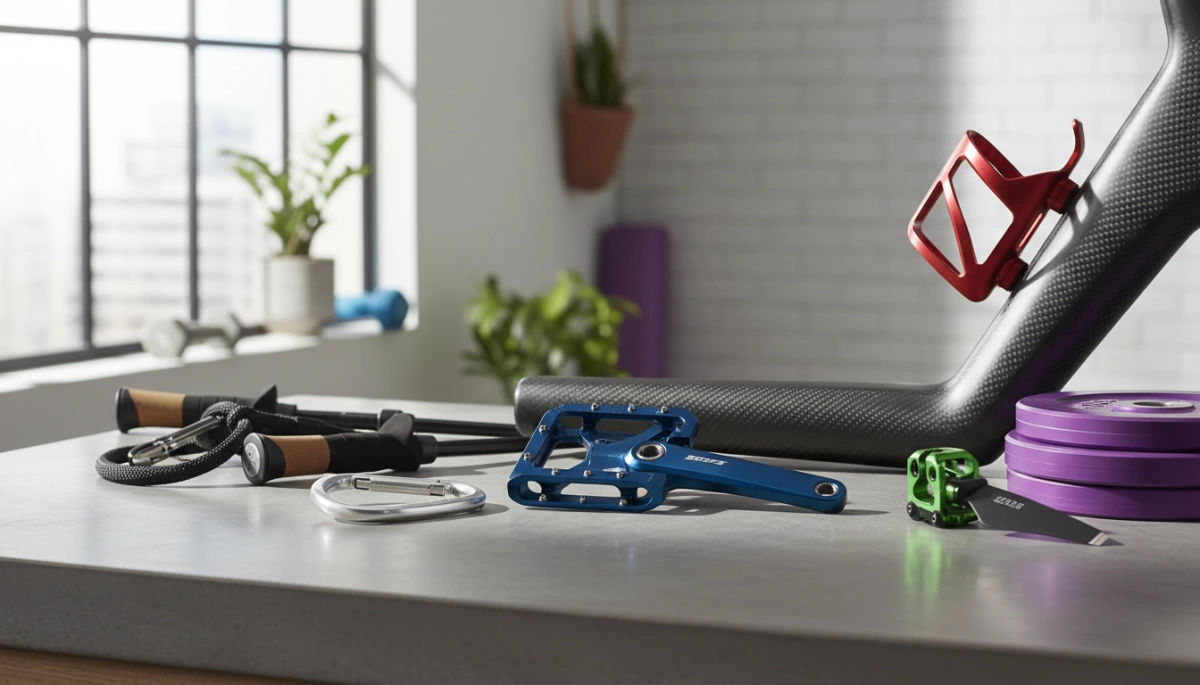
Raw aluminum is prized for being lightweight, but in its natural state, it is relatively soft and prone to scratches, dents, and surface deformation. We solve this by using an electrochemical process to transform the aluminum surface into a ceramic-like barrier. This is the first "pillar" of durability that ensures our high-strength 7075 aluminum CNC machining withstands the most demanding sports environments.
Durability Pillar 1: Revolutionary Surface Hardness
Raw aluminum is naturally soft, making it vulnerable to dents and scratches during intense use. We use anodizing to transform the outer "skin" of the metal into a ceramic-like layer that significantly boosts Surface Hardness (Vickers). This isn't just a coating; it is a molecular change that makes the surface significantly tougher than the base metal.
| Material State | Vickers Hardness (HV) | Best Use Case |
|---|---|---|
| Raw 6061-T6 Aluminum Alloy | ~95 HV | Basic structural frames |
| Type II Anodized | 200–400 HV | Standard fitness components |
| Type III Hardcoat Anodizing | 400–600+ HV | High-impact pedals and gears |
Impact Resistance for Extreme Sports
In high-intensity environments, sports equipment faces constant abuse from rock strikes, accidental drops, and metal-on-metal contact. Our anodizing process creates a structural shield that:
- Prevents surface gouging during high-velocity impacts.
- Protects the tight tolerances of high-strength 7075 aluminum CNC parts from deformation.
- Ensures components remain functional after crashes or heavy spills.
Type II vs. Type III: Choosing the Right Depth
Selecting the right finish depends entirely on the sport. While Type II offers excellent aesthetics and moderate protection for indoor gym equipment, Type III Hardcoat Anodizing is the gold standard for high-impact gear. It penetrates deeper into the aluminum substrate, creating a thick, ultra-dense barrier that survives where organic coatings would simply crack or peel.
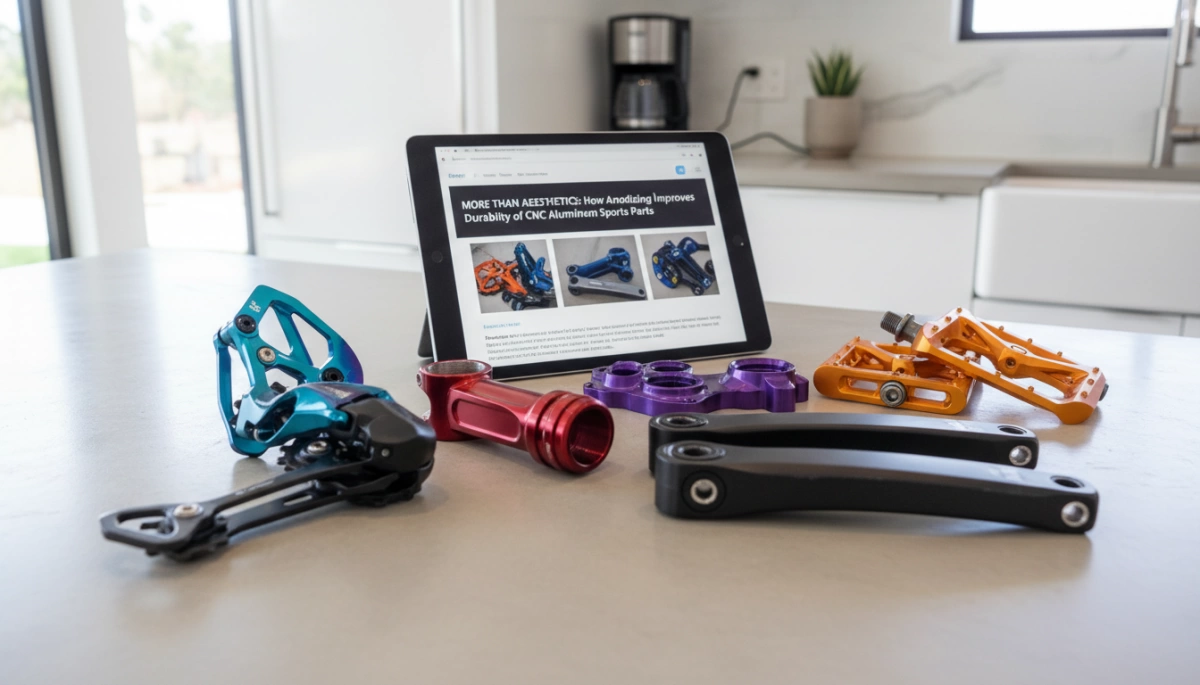
More Than Aesthetics: How Anodizing Improves Durability of CNC Aluminum Sports Parts
Durability Pillar 2: Mastery Over Friction and Wear
Raw aluminum is naturally "sticky," which is a major drawback for moving sports components. We solve this by transforming the surface into a ceramic-like electrolytic oxide layer that significantly lowers the friction coefficient. For parts like derailleur pulleys or sliding fitness tracks, this ensures fluid motion rather than mechanical drag.
Hard-Anodizing for High-Cycle Fitness Gear
For commercial gym environments, we typically deploy Type III Hardcoat Anodizing. This provides a much deeper, denser surface than standard decorative finishes, specifically designed to combat abrasive wear.
- Lifecycle Extension: Our testing shows that hard-anodized fitness equipment components can last over five times longer than untreated 6061-T6 aluminum parts under constant load.
- Thermal Dissipation: The specialized surface helps manage heat buildup during high-speed movement, preserving the fatigue strength of the component.
- Wear Resistance: The increased surface hardness (Vickers) ensures that metal-on-metal contact doesn't result in gouging or material loss.
Eliminating Galling in Precision Threads
One of the biggest failures in sports engineering is "galling"—where aluminum threads essentially cold-weld together during adjustment. Our anodizing process creates a non-reactive barrier that prevents this sticking, ensuring that threaded parts remain smooth and adjustable for years.
To guarantee a perfect fit every time, we calculate specific aluminum CNC machining tolerances to account for the thickness of the hardcoat. Every batch undergoes rigorous quality control to verify that the friction-reducing properties meet the high-performance demands of the global sports market.
Durability Pillar 3: Environmental Resilience (Sweat, Salt, and Sun)
We design sports gear to be pushed to the limit, which often means exposing CNC aluminum sports parts to harsh environments. Whether it’s a mountain bike trail or a coastal rowing shell, raw aluminum stands no chance against nature’s corrosive elements. Anodizing is our primary defense, turning the metal surface into a non-reactive shield.
Superior Corrosion Resistance
In marine and coastal environments, salt air is a silent killer for metal. Our anodizing process creates an electrolytic oxide layer that is chemically stable. This prevents the "white rust" or pitting common in untreated alloys, making it mandatory for any equipment used near the ocean.
The "Sweat Factor" in Fitness Gear
Human perspiration is surprisingly aggressive. It’s a cocktail of salts and acids that can eat through raw aluminum over time, especially on high-touch surfaces like barbell collars or stationary bike handles.
- Acid Neutralization: The aluminum oxide layer ($Al_2O_3$) is highly resistant to human sweat.
- Hygienic Surface: The sealed layer is easier to clean and won't harbor bacteria in pits.
- Fitness Durability: Essential for long-term use in high-humidity gym environments.
UV Stability and High-Altitude Sunlight
For outdoor gear, UV radiation is a constant threat. High-altitude mountain biking and climbing equipment face intense sunlight that can fade colors and, in some cases, degrade surface integrity.
- Integrated Color: Because the dye is locked within the porous "honeycomb" structure before sealing, it stays vibrant longer than surface-level paints.
- Structural Integrity: UV rays cannot penetrate the ceramic-like oxide layer to weaken the underlying aluminum.
We ensure that even our most complex-shaped sports parts maintain their finish and function regardless of the environment. By focusing on these environmental factors, we ensure your equipment lasts through seasons of intense use, not just a few workouts. Our commitment to corrosion resistance and UV stability is why we are a trusted CNC machining supplier for global sports brands.
Engineering Precision: Managing Tolerances in CNC Machining
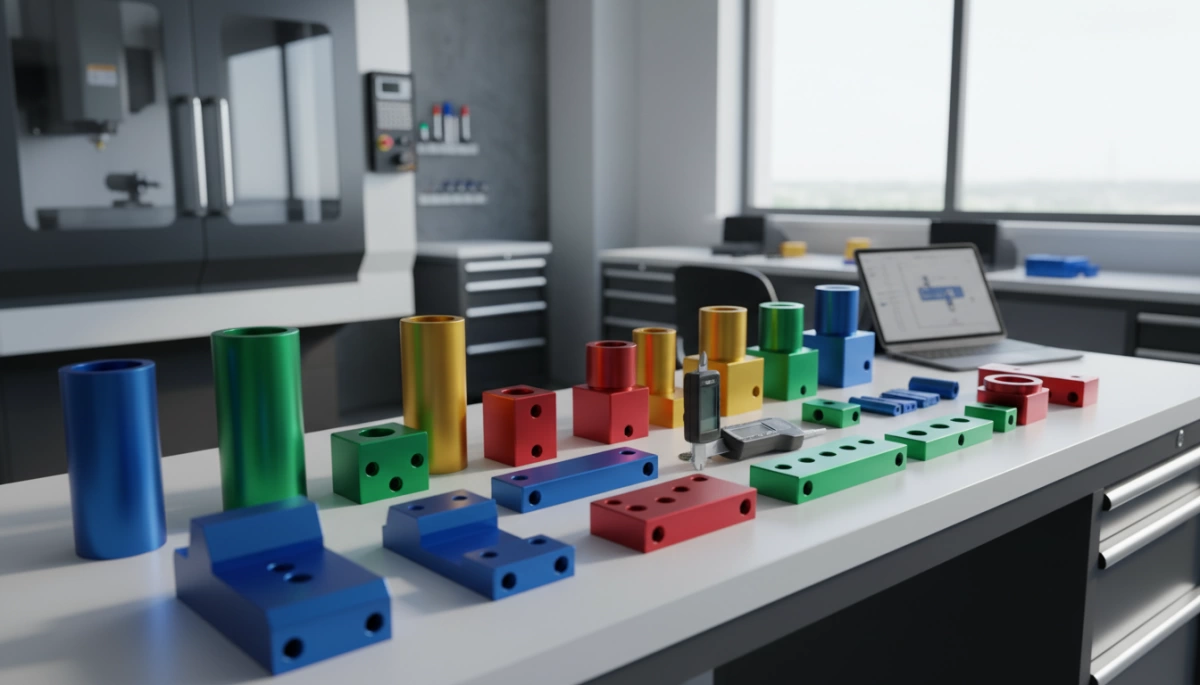
Precision in sports equipment isn't just about the initial cut; it’s about how that part performs after the final finish. When we discuss how anodizing improves durability of CNC aluminum sports parts, we must address the "Growth Factor." Unlike paint, anodizing converts the aluminum surface into an oxide layer, meaning the dimensions of your part will change.
The "Growth" Factor in Anodizing
Anodizing is a penetration and growth process. Generally, 50% of the coating thickness builds up on the surface, while the other 50% penetrates into the material. If we apply a 20-micron Type II coating, the outer dimension of the part increases by roughly 10 microns per side.
Strategies for Perfect Mating Parts
For high-performance gear like bike hubs or gym pulley systems, a few microns can be the difference between a smooth glide and a seized component. At ZSCNC, we use specific strategies to ensure a perfect fit:
- Pre-Anodize Offsets: We calculate the exact thickness of the intended oxide layer and adjust our CNC programming to machine the part "under-size" or "over-size" accordingly.
- Tolerance Allocation: We prioritize critical dimensions, ensuring that our CNC turning services for precision shafts and bushings maintain their functional clearances after the hardcoat is applied.
- Thread Compensation: We use specialized over-size taps for threaded holes to account for the thickness of the $Al_2O_3$ layer, preventing "galling" during assembly.
Preserving Sharp Edges and Geometries
In sports engineering, sharp edges are often necessary for grip or aerodynamic performance. However, high-voltage anodizing baths can "round off" or burn delicate geometries if not managed correctly. We maintain strict control over bath chemistry and current density to ensure that intricate CNC-machined details remain crisp and structurally sound. This controlled approach ensures that the functional geometry of the part is never sacrificed for the sake of the finish.
More Than Aesthetics: Controlling Color Deviation in Anodized CNC Sports Parts
Alloy Consistency: The 7075 vs. 6061 Challenge
Achieving a uniform look across a thousand-piece order of mountain bike pedals or gym pulleys is one of the toughest parts of the job. The chemical composition of the metal dictates the final shade. For instance, 6061-T6 Aluminum Alloy typically yields a clear, bright finish, while the high zinc content in 7075 can result in a slightly darker or more "golden" hue. When choosing the right CNC material, we ensure customers understand that mixing different alloy batches in the same anodizing tank is the fastest way to trigger color deviation.
ZSCNC Standards for Delta E Variance
To maintain a professional, high-end look for your sports brand, we implement strict Color Deviation Control protocols. We don't just "dip and hope." We manage the variables that cause shifts in the electrolytic oxide layer:
- Voltage Stabilization: Fluctuations in current density lead to varying pore depths, which change how much dye is absorbed.
- Temperature Control: We keep our baths within a ±1°C range; even a slight rise in temperature can soften the coating and dull the color.
- Delta E Monitoring: We use spectrophotometers to measure the "Delta E" (the difference between the sample and the master), ensuring the variance is invisible to the naked eye.
The Step: Sealing for Durability and Color
A vibrant color is useless if it fades or bleeds. The "honeycomb" structure of the anodized layer is naturally porous. At ZSCNC, the final, non-negotiable step is hydrothermal sealing. By immersing the parts in deionized hot water or chemical sealants, we hydrate the aluminum oxide, causing it to swell and close the pores.
This process is critical because it:
- Locks in Dyes: Prevents the color from leaching out during heavy use or cleaning.
- Boosts Corrosion Resistance: Closes the path for sweat, salt, and moisture to reach the raw aluminum.
- Enhances Surface Hardness: Solidifies the outer shell against abrasive wear.
By mastering these bath chemistry variables, we ensure that your CNC sports parts don't just look great on day one—they maintain that "factory fresh" finish through years of abuse.
More Than Aesthetics: How Anodizing Improves Durability of CNC Aluminum Sports Parts - FAQs
Will anodizing affect the dimensions of my precision parts?
Yes, anodizing is a conversion process that changes the surface chemistry of the metal. The electrolytic oxide layer grows outward and penetrates the substrate simultaneously. Typically, 50% of the coating thickness is "growth." At ZSCNC, we manage strict Dimensional Tolerances by calculating these offsets before machining. This ensures that high-precision aerospace turning parts and sports components maintain a perfect fit after treatment.
Can I anodize any aluminum alloy for sports gear?
Not all alloys react the same. For high-performance sports equipment, 6061-T6 Aluminum Alloy and 7075 are the industry favorites because they produce a clean, uniform oxide layer. Alloys with high silicon or copper content can result in a dull, mottled finish and lower Surface Hardness (Vickers). We recommend sticking to the 6000 or 7000 series for the best balance of strength and finish quality.
Is Type III Hardcoat necessary for indoor gym equipment?
It depends on the application. For components that are primarily handled—like adjustment knobs or frames—Type II anodizing is sufficient for sweat resistance and branding. However, for high-friction components like weight-stack guides, seat tracks, or pulleys, Type III Hardcoat Anodizing is mandatory. It provides the extreme Wear Resistance required to prevent the equipment from grinding down over thousands of cycles.
How do I prevent color fading in outdoor sports equipment?
Color longevity depends on two factors: dye quality and the sealing process.
- UV Stability: We use high-grade metal-salt dyes that resist breaking down under intense sunlight.
- Sealing: This is the final step where the "honeycomb" pores of the oxide layer are closed. A proper seal locks the color in and keeps contaminants out, preventing the "chalking" or fading often seen in cheap, poorly processed gear.
| Feature | Standard Anodizing (Type II) | Hardcoat Anodizing (Type III) |
|---|---|---|
| Primary Goal | Aesthetics & Corrosion | Extreme Wear & Hardness |
| Typical Thickness | 5–25 microns | 25–100+ microns |
| Color Options | Wide range of vibrant dyes | Darker, earth-tone limited |
| Best Use | Bike pedals, gym frames | Suspension internals, track rails |
 English
  German
  Dutch
Dutch  Russian
  Czech
Czech  French
  Korean
  Japanese
  Spanish
  Portuguese