
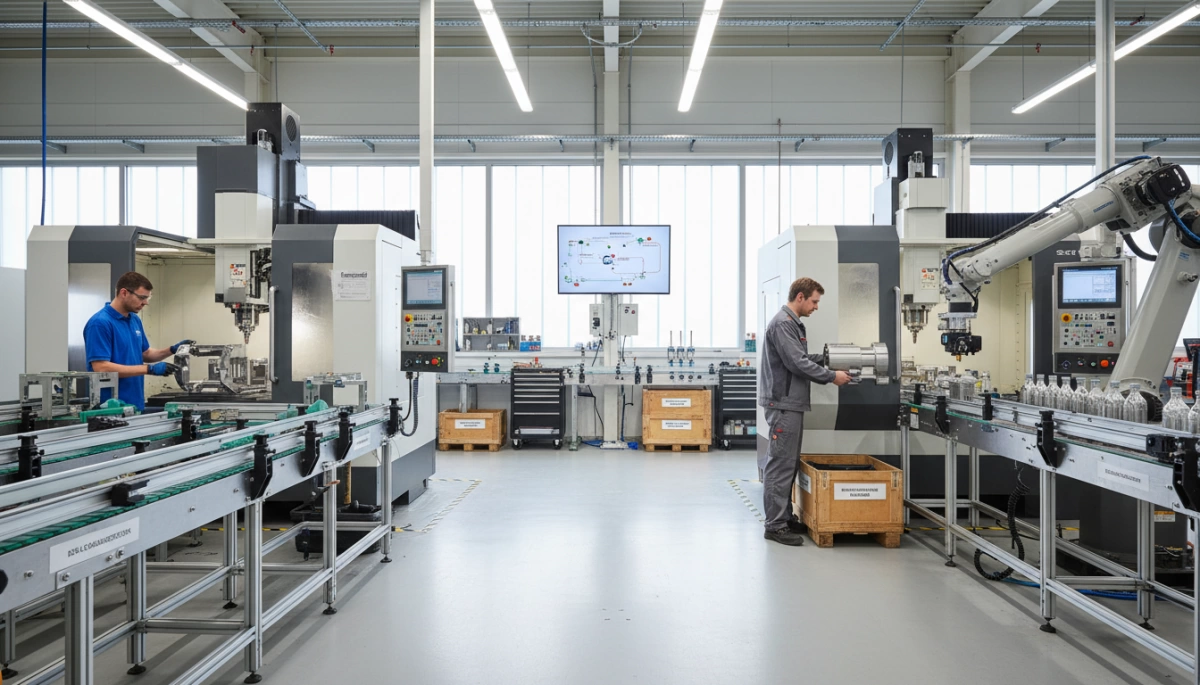
Overcoming the Fixed Tooling Trap: CNC vs Casting
Engineers in Dutch and German packaging plants know the frustration of fixed tooling. Casting may look cost‑effective on paper, but the reality is slow turnaround, expensive molds, and zero flexibility when product formats change. Every new bottle, pouch, or label size means starting over again—exactly what high‑mix, low‑volume production cannot afford.
CNC machining removes that constraint completely. There’s no tooling investment, no mold lead time, and no minimum order quantity. When I need one replacement star wheel or a small batch of custom change parts, I can machine exactly what the line requires within days—not months. That makes CNC the clear choice for OEM packaging components where agility matters.
Typical low‑volume use cases include:
- Producing 1–10 OEM replacement parts with no MOQ limitations
- Rapid fabrication of custom parts for product size changeovers
- Small‑batch change parts for OEMs supporting high‑mix production
- Quick machining of guides, screws, and format components when casting is too slow or expensive
By avoiding the fixed tooling trap, CNC machining keeps packaging equipment flexible, responsive, and cost‑efficient for modern Dutch and German factories.
Mastering Rapid Changeovers with CNC‑Machined Format Parts
Frequent product and packaging format changes are normal in Dutch and German factories, but they can hit OEE hard when teams rely on slow or inconsistent change parts. Every extra minute spent adjusting star wheels, timing screws, guide rails, or grippers creates avoidable downtime. That’s why CNC‑machined format parts make such a difference—they’re accurate, repeatable, and easy to swap.
I use CNC machining to deliver star wheels, timing screws, and color‑coded format parts that drop straight into the machine with no on‑line tweaking. This supports real SMED optimization, where operators can switch between bottle sizes or pouch styles in minutes, not hours. It keeps packaging lines stable and protects productivity, especially in high‑mix production environments.
When OEMs need custom quick‑change parts or small‑batch replacements, I produce them with the same precision used in our CNC machining for packaging machinery parts solutions at https://zscncparts.com/product/cnc-machining-for-packaging-machinery-parts/. This improves changeover speed, cuts downtime, and strengthens day‑to‑day line flexibility.
Shortening Lead Times for New Packaging Formats
EU packaging factories keep shifting to new bottles, pouches, and sustainable materials, so waiting weeks for cast tooling just isn’t an option anymore. Local CNC machining cuts that delay. Instead of dealing with overseas casting lead times, tooling charges, and long shipping cycles, I can machine format parts in small batches within days. It gives Dutch and German lines the freedom to test new materials fast without stopping production.
CNC also helps teams validate new packaging formats early. I can machine star wheels, guides, and grippers as rapid prototypes, run functional tests on the line, and adjust before committing to any larger production. This approach is far faster and far less risky than casting. When factories need even tighter schedules, I rely on high‑precision setups such as our 5‑axis capabilities, shown in our 5-axis CNC machining process at https://zscncparts.com/product/5axis-cnc-machining/, to keep turnaround short and repeatability high.
Retrofitting Legacy Packaging Equipment
Many Dutch and German factories run older packaging lines that still have solid mechanics but struggle with today’s demands. I use CNC‑machined adapters, brackets, and custom components to modernize these legacy machines without forcing a full replacement. CNC machining gives me the accuracy and repeatability older cast parts simply can’t deliver, making it easy to add new sensors, drives, or quick‑change tooling. For reference, the machining tolerances I rely on match the standards outlined in our guide on aluminum CNC tolerances for packaging equipment in Germany: https://zscncparts.com/aluminum-cnc-machining-tolerances-for-packaging-and-automation-equipment-in-germany/.
This same approach helps factories handle new packaging materials—lightweight PET bottles, thin‑wall trays, recycled paper formats, and eco‑flexible pouches. With CNC‑made format parts, star wheels, guides, and grippers, I can tune older lines to grip, support, and transport these materials without tearing, slipping, or causing jams.
Retrofitting also supports EU sustainability and lifecycle goals. Instead of scrapping a machine, I extend its useful life with precise, low‑volume CNC components. That means less waste, fewer cast parts shipped overseas, and better supply chain resilience across the EU. My CNC capability gives Dutch and German plants a practical and fast upgrade path while keeping their existing assets productive.
Material Precision and EU Hygiene Requirements
In EU packaging plants, material choice is non‑negotiable. Food‑grade stainless steel and engineering plastics are the only safe options for parts like guide rails, star wheels, and quick‑change format sets because they resist corrosion, don’t leach contaminants, and stand up to aggressive washdowns. That’s why I rely on CNC machining when producing these OEM packaging components.
Why material precision matters
- EU food and pharma lines demand stable, cleanable materials.
- Stainless steels such as 304 and 316, along with POM and UHMW‑PE, keep hygiene risks low.
- CNC machining keeps tolerances tight and ensures material stability, unlike casting.
Hygiene requires the right surface finish
EU standards often call for surface roughness levels around Ra 0.4–0.8 μm for contact surfaces. Cast parts simply can’t hit these numbers consistently. CNC milling and turning deliver reliable finishes and allow further polishing when needed. For customers who need tight control of finish and tolerance, I point them toward high‑accuracy machining practices similar to those described in this guide on industrial‑grade CNC machining accuracy standards (https://zscncparts.com/cnc-machining-accuracy-standards-analysis-of-industrialgrade-cnc-machining-accuracy-standards-how-to-achieve-a-perfect-tolerance-of-0005mm/).
Why CNC outperforms casting for hygiene‑critical parts
- No porosity, no unpredictable surfaces
- Repeatable tolerances
- Faster adjustments for small‑batch change parts
- Stable, cleanable surfaces ready for EU audits
I machine these components in the same food‑grade stainless steels outlined in my materials overview (https://zscncparts.com/material/metal/stainless-steel/), ensuring every part meets both durability and hygiene expectations.
How ZSCNC Supports Dutch and German OEMs
I work closely with Dutch and German packaging OEMs that need CNC‑machined parts delivered fast, with no compromise on precision. Our shop is set up for high‑precision machining built specifically for packaging equipment manufacturers, from custom grippers to quick‑change star wheels. With our in‑house capabilities, we produce just‑in‑time spare parts in small batches without MOQ limits, which helps OEMs keep their lines running and avoid supply chain delays.
Every machined part follows strict EU machinery standards. We control tolerances tightly, maintain consistent surface finishes, and use certified food‑grade stainless steel and engineering plastics. This gives factories the reliability they expect when upgrading components or replacing worn format parts. You’ll find the same level of precision in our custom CNC machining services for machinery and robotics parts, available through our dedicated manufacturing page: https://zscncparts.com/product/custom-cnc-machining-services-for-machinery-and-robotics-parts/.
 English
  German
  Dutch
Dutch  Russian
  Czech
Czech  French
  Korean
  Japanese
  Spanish
  Portuguese