
Understanding 5083 Marine-Grade Aluminum Alloy
When operating in punishing seawater environments, standard metals rapidly degrade. We rely on AA5083, a premier marine grade aluminum engineered specifically to conquer the most demanding aquatic conditions. As a flagship series 5000 aluminum, 5083 delivers an unmatched combination of extreme corrosion resistance, high durability, and excellent weldability. This makes it the definitive choice for modern maritime manufacturing, from lightweight ship hulls to heavy-duty CNC machining parts.
Chemical Composition and Structural Elements
The exceptional performance of 5083 is driven by its precise chemical composition. Magnesium serves as the primary alloying element, fundamentally fortifying the metal's structure to withstand aggressive saltwater exposure without breaking down.
| Element | Percentage (%) | Impact on Aluminum Alloy Properties |
|---|---|---|
| Magnesium (Mg) | 4.0 - 4.9 | Drives primary strength and exceptional saltwater resistance. |
| Manganese (Mn) | 0.4 - 1.0 | Enhances overall tensile strength and stabilizes the grain structure. |
| Chromium (Cr) | 0.05 - 0.25 | Dramatically improves resistance to stress corrosion cracking. |
| Aluminum (Al) | Balance | Forms the highly workable, low density material core. |
Core Physical and Mechanical Properties
5083 stands out as a high strength alloy that refuses to compromise on weight. Its meticulously balanced physical properties and mechanical properties are tailored for high-stress, load-bearing applications.
- Exceptional Tensile Strength: Delivers uncompromising structural integrity under heavy, dynamic loads in turbulent waters.
- Low Density Advantage: Significantly reduces the overall weight of fabricated components, maximizing fuel efficiency and payload capacity in marine vessels.
- Optimal Vickers Hardness: Ensures superior wear and impact resistance while remaining highly machinable.
- Cryogenic Stability: Maintains remarkable toughness and structural integrity even at extremely low temperatures, making it ideal for specialized industrial storage.
Essential Marine Tempers: H111, H116, and H321
To unlock the ultimate performance of AA5083, the metal is processed into highly specific alloy temper designations. For rigorous marine fabrication, we focus on three critical tempers:
- H111: Features minor strain hardening imparted during forming operations. It offers good formability and is perfectly suited for complex structural bends and custom metal fabrication techniques.
- H116: Engineered exclusively for highly corrosive seawater environments. The H116 temper guarantees maximum defense against exfoliation corrosion, ensuring long-term survival during continuous saltwater immersion.
- H321: Strain-hardened and thermally stabilized. This temper locks in the metal's mechanical strength over its lifespan, providing an aggressive, reliable shield against intergranular corrosion in deep-water marine applications.
Corrosion Resistance of 5083 Aluminum in Marine Environments
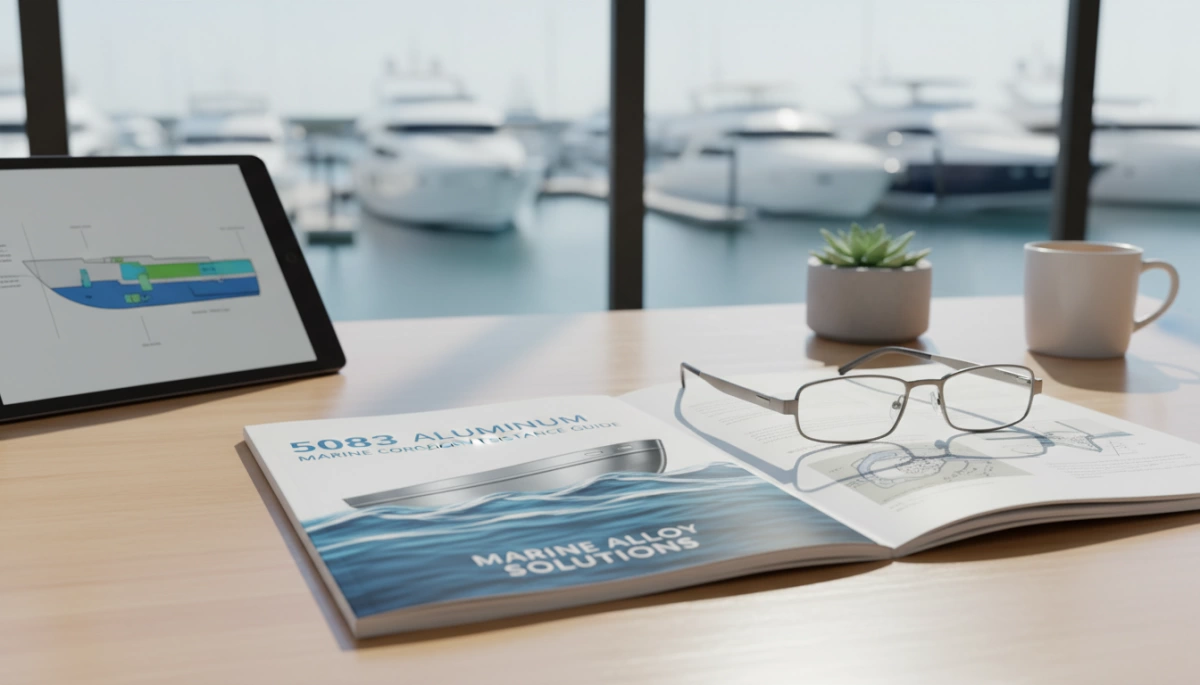
When we talk about marine grade aluminum, AA5083 stands out primarily because of its exceptional ability to survive harsh seawater environments. As a premier series 5000 aluminum, it naturally develops a tough, continuous oxide layer that shields the underlying metal from aggressive saltwater exposure without needing immediate surface painting.
Combating Seawater and Exfoliation Corrosion
Saltwater is brutal on standard metals, but 5083 is engineered specifically for this challenge. We rely on specific alloy temper designations, most notably the H116 temper, to lock in its long-term saltwater resistance.
- Seawater Defense: The chemical composition of 5083 prevents pitting and generalized degradation, even when fully submerged for years.
- Exfoliation Corrosion: This type of corrosion causes metal to swell and flake away in layers. Thanks to strict microstructural examination during production, 5083 maintains a stable grain structure that effectively blocks exfoliation corrosion, keeping ship hulls and offshore platforms structurally sound.
Resistance to Stress Corrosion Cracking (SCC)
Marine structures endure constant pounding from waves and severe weather. This intense mechanical stress, combined with a corrosive environment, usually leads to Stress Corrosion Cracking (SCC) in weaker materials.
However, 5083 aluminum offers incredibly high resistance to SCC. Because it is a high strength alloy with reliable mechanical properties, it will not suddenly crack or fail under tension. When we are cutting complex structural components, understanding the right machining approach—like choosing between Swiss machining vs CNC lathe operations—helps us maintain the tight tolerances necessary to prevent moisture ingress and stress concentrations at joint seams.
Enhancing Protection with Anodizing and Surface Treatments
While 5083 aluminum for marine CNC applications has an excellent baseline defense, we can push its durability even further using targeted surface treatments.
- Anodizing: This electrochemical process creates an artificially thick, hard oxide layer. It significantly improves the surface Vickers hardness and seals out moisture.
- Marine Coatings: Specialized marine epoxies and polyurethane paints adhere exceptionally well to 5083, offering a secondary, heavy-duty barrier against intergranular corrosion.
- Optimal Finishing: Combining these surface treatments with the right metal fabrication techniques guarantees that our CNC machining parts easily outlast their expected operational lifespan in the field.
CNC Machining 5083 Aluminum: Expert Guide
Machining 5083 aluminum for marine CNC applications requires a solid understanding of how this specific series 5000 aluminum behaves under the cutter. While it offers incredible saltwater resistance and high strength, its physical properties can make it slightly trickier to mill compared to harder, more brittle alloys. Whether we are manufacturing heavy-duty marine hull fittings or supplying custom CNC machining for automation and robotics parts, applying the correct metal fabrication techniques is critical for efficiency and precision.
Built-up Edge Prevention
The most common hurdle when machining this marine grade aluminum is its "gummy" nature. Because it boasts good formability but lower hardness than 7000-series alloys, the metal tends to melt and stick to the cutting tool, creating a Built-Up Edge (BUE).
- Keep it sharp: Always use razor-sharp cutting edges. Dull tools will smear the metal instead of cutting it.
- Speed it up: Maintain high spindle speeds to slice through the material cleanly.
- Avoid dwelling: Never let the tool rub against the workpiece, as friction causes instant sticking and ruins the finish.
Carbide Tools and End Mills
To get a flawless surface finish on your CNC machining parts, you must use the right tooling geometry.
- Tool Material: Solid carbide is the industry standard for this high strength alloy.
- Flute Design: Opt for 2-flute or 3-flute end mills. Aluminum chips are large, and fewer flutes provide the necessary gullet space for rapid chip clearance.
- Coatings: Use uncoated tools with highly polished flutes, or anti-friction coatings like ZrN (Zirconium Nitride). Avoid standard TiAlN coatings, as aluminum tends to weld to them chemically.
Heat Management and Chip Control
Keeping the cutting zone cool protects the mechanical properties of the alloy and prevents thermal expansion, which can easily throw off tight tolerances.
| Parameter | Best Practice |
|---|---|
| Coolant System | High-pressure flood coolant or MQL (Minimum Quantity Lubrication) to blast chips out of the pocket. |
| Feed Rates | Keep feed rates aggressive enough to push the heat into the chip, rather than the part itself. |
| Tool Paths | Rely on climb milling and adaptive clearing to maintain a consistent chip load and avoid sudden heat spikes. |
Effective chip evacuation stops the tool from recutting old chips. By flushing chips away instantly, you ensure a smooth, clean cut and extend the lifespan of your tooling across all your marine manufacturing runs.
Comprehensive Welding Guide for 5083 Aluminum
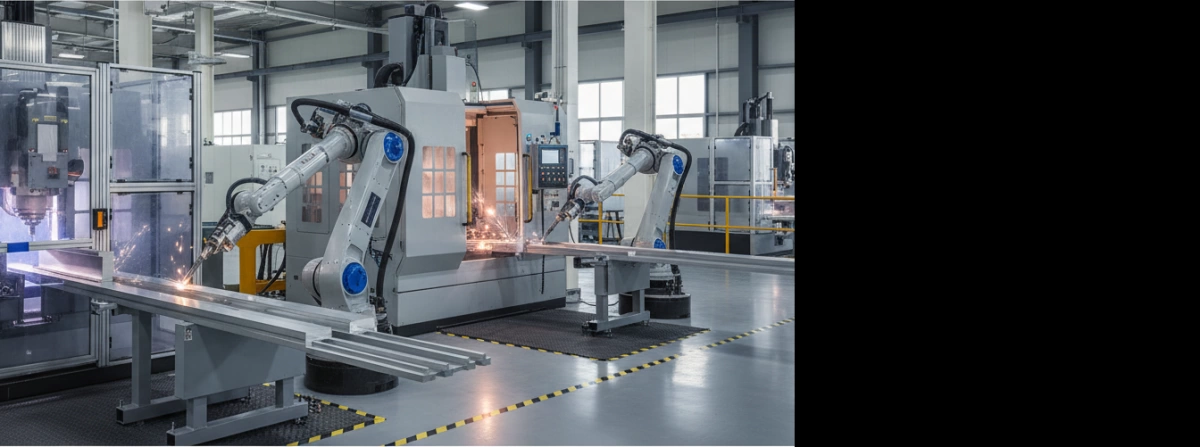
Weldability Advantages and Joint Preparation
When working with marine grade aluminum, we rely heavily on AA5083 for its excellent weldability. As a premier series 5000 aluminum, it resists hot cracking and fuses smoothly. Proper joint preparation is the absolute foundation of a solid, structural weld. We meticulously brush away oxides and degrease the joint to eliminate all hydrocarbons before striking an arc. Implementing strict manufacturing processes during this prep phase is the only way to prevent porosity and ensure a deep, clean weld.
Maximizing Post-Weld Strength Retention
When evaluating 5083 aluminum for marine CNC applications: corrosion resistance and welding guide standards, its post-weld performance is a massive advantage. This high strength alloy retains a significant portion of its mechanical properties right after welding. Because it does not rely on heat treatment for its strength, it doesn't drastically weaken in the heat-affected zone (HAZ).
- Manage Heat Input: Weld fast and control your heat to keep the HAZ as small as possible.
- Preserve Core Specs: Consistent thermal control locks in the material's natural tensile strength and Vickers hardness.
Recommended Filler Alloys and Welding Techniques
Executing the right metal fabrication techniques dictates the final integrity of demanding applications like ship hulls and pressure vessels.
- Optimal Filler Wires: We strongly recommend 5183 or 5356 filler alloys. They bridge perfectly with the base metal, matching its strength and robust saltwater resistance.
- MIG Welding (GMAW): Our go-to choice for thick plates. It provides high deposition rates necessary for heavy marine structures.
- TIG Welding (GTAW): The best option for precision joints or thinner material sections where absolute control over the weld pool is required.
Key Applications of 5083 Aluminum in CNC Manufacturing
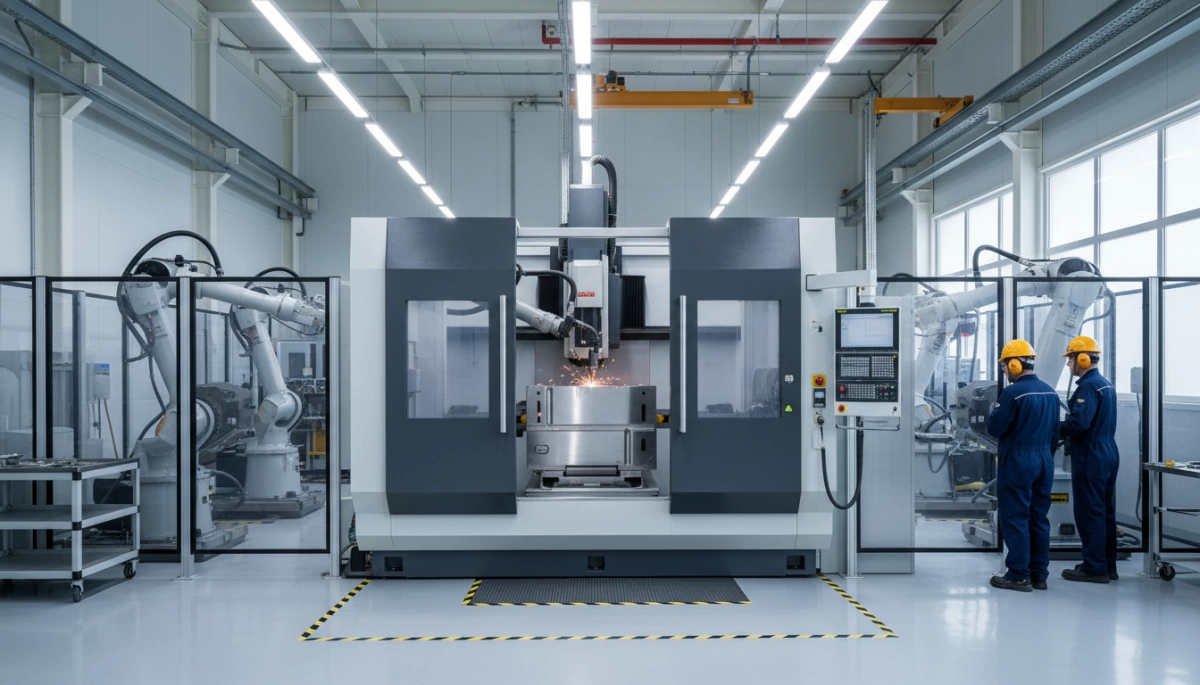
When utilizing 5083 aluminum for marine CNC applications, its exceptional physical properties make it a powerhouse material for demanding environments. Because this series 5000 aluminum combines a low density material profile with high tensile strength, I frequently recommend it for projects that simply cannot fail under pressure or harsh conditions.
Marine Hulls, Decks, and Superstructures
This marine grade aluminum is the undisputed standard for modern shipbuilding. Its native saltwater resistance ensures long-term durability against extreme seawater environments without requiring heavy protective coatings.
Key marine applications include:
- Ship Hulls: Capable of withstanding constant wave impact and preventing exfoliation corrosion.
- Decks and Frameworks: Offers high strength without adding unnecessary weight to the vessel.
- Superstructures: Provides excellent weldability for complex, multi-level boat constructions.
As a reliable China custom CNC machining supplier for overseas buyers, I see constant global demand for precision-machined 5083 components in commercial marine and naval fleets.
Cryogenic Tanks and Pressure Vessels
Beyond the ocean, 5083 aluminum excels in extreme cold. Unlike some metals that become brittle at freezing temperatures, this aluminum alloy actually retains its mechanical properties and increases in strength during cryogenic applications.
- LNG Storage: Perfect for liquefied natural gas tanks due to its crack resistance.
- Pressure Vessels: Maintains structural integrity under immense internal pressure.
- Industrial Gas Transport: The low weight reduces transportation fuel costs while ensuring total containment safety.
Heavy-Duty Structural Vehicle Components
While famous for boats, 5083 is heavily utilized across automotive and aerospace sectors. We rely on this alloy when manufacturing structural components that require extreme fatigue resistance. Complex vehicle chassis or aerospace parts often require precision 5-axis CNC machining to achieve the tightest tolerances possible on this tough material.
Why 5083 works for heavy-duty vehicles:
- Weight Reduction: Replaces heavier steel parts, boosting fuel efficiency.
- Durability: Vickers hardness ratings ensure it survives off-road or high-impact environments.
- Vibration Resistance: Absorbs mechanical stress without cracking along welded joints.
How 5083 Aluminum Compares to Alternative Marine Alloys
When we select materials for CNC machining parts, picking the right marine grade aluminum is critical for long-term survival in harsh seawater environments. While 5083 aluminum is a top performer, it helps to see how it stacks up against other common alloys in the industry.
5083 vs. 5052 Aluminum
- Strength: 5083 has a significantly higher tensile strength and overall load-bearing capacity.
- Use Case: We typically use 5052 when a project requires good formability for lighter sheet metal work or basic enclosures. For heavy-duty ship hulls and thick structural components, 5083 is our undisputed choice.
5083 vs. 5086 Aluminum
- The Sibling Rivalry: Both are excellent series 5000 aluminum alloys known for fantastic saltwater resistance and reliable mechanical properties.
- The Difference: 5083 offers higher overall strength. If your marine fabrication project demands absolute maximum durability under stress, we default to 5083. 5086 is the better option if your design requires slightly easier forming and bending.
5083 vs. 6061 Aluminum
- Corrosion Resistance: 6061 is an industry standard for general applications and intricate 5-axis machining services for complex aluminum parts. However, its saltwater resistance is mediocre. 5083 naturally fights off intergranular corrosion and exfoliation corrosion far better in marine settings.
- Weldability: 6061 loses substantial strength at the weld zone unless it undergoes a full post-weld heat treatment. 5083, especially in the H116 temper, retains excellent high strength after welding without needing further thermal processing.
| Alloy Profile | Primary Marine Use Case | Saltwater Resistance | Post-Weld Strength Retention |
|---|---|---|---|
| 5083 | Heavy marine structures, cryogenic applications | Excellent | High |
| 5052 | Cabinets, non-structural marine hardware | Very Good | Good |
| 5086 | Moderate marine frames and vessels | Excellent | High |
| 6061 | General structural parts (non-submerged) | Moderate | Low (unless heat-treated) |
 English
  German
  Dutch
Dutch  Russian
  Czech
Czech  French
  Korean
  Japanese
  Spanish
  Portuguese