

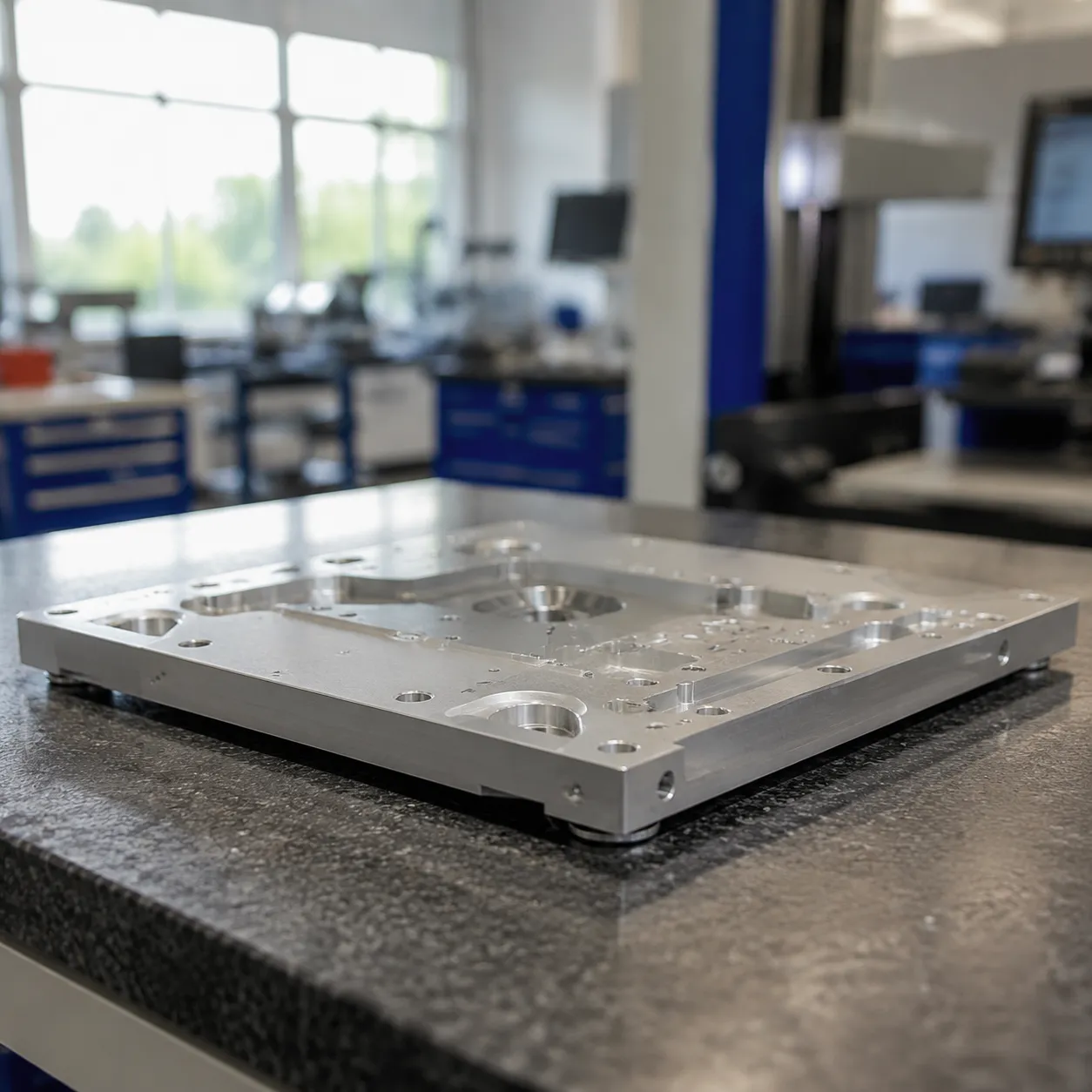
Introduction to MIC-6 Aluminum Tooling Plate
Overview and Material Classification
MIC-6 aluminum tooling plate is a precision cast aluminum product engineered for applications where flatness, dimensional control, and predictable machining behavior are critical. As a cast metal alloy, it is produced in plate form and processed to achieve a highly uniform, internally stable structure with reduced residual stress. This makes it fundamentally different from standard rolled plate, which can move or distort when machined. MIC-6 is widely chosen by manufacturers who need a stable, ready-to-machine base material that delivers a clean machined surface and consistent performance in demanding industrial environments.
Importance in Precision Tooling and Fixturing
In precision tooling, jigs, fixtures, and reference plates, even a small amount of distortion can lead to alignment errors, poor repeatability, and costly rework. MIC-6 aluminum tooling plate directly addresses these problems by offering reliable flatness and dimensional stability across the entire plate. For CNC shops, automation lines, and metrology setups, this stability helps maintain tight tolerances and process consistency. Whether the end use is in automotive, aerospace, electronics, or general industrial manufacturing, MIC-6 provides a dependable foundation for fixtures and tooling that must stay accurate over time and under varying operating conditions.
Core Advantages: Flatness and Dimensional Stability
The core value of MIC-6 lies in its ability to stay flat and dimensionally consistent before and after machining. Through controlled casting and stress-relief processes, the plate is designed to minimize residual stress, which reduces the tendency for parts to move, twist, or warp once material is removed. This results in:
-
- Excellent flatness across large plate surfaces
- High dimensional stability during and after CNC machining
- Reduced distortion in complex or thin-walled components
- Smooth, clean machined surfaces that help streamline downstream finishing
For manufacturers who demand predictable performance in precision cast aluminum, MIC-6 offers a balanced combination of stability, machinability, and consistency that supports tight-tolerance applications in automotive, aerospace, and other high-precision sectors.
Mechanical and Physical Properties of MIC-6
Technical Specifications and Yield Strength
When I choose MIC-6 precision cast aluminum, I’m doing it for predictable performance, not guesswork. MIC-6 is a cast metal alloy engineered for flatness, low residual stress, and dimensional stability, even after CNC machining.
Here’s how I look at it in the shop:
| Property | What It Means for You |
|---|---|
| Precision cast structure | Internally stable, less distortion after cutting |
| Controlled yield behavior | More consistent deflection under load |
| Good stiffness-to-weight | Rigid enough for plates, still easy to handle |
| Clean machined surface | Minimal rework on jigs, fixtures, and bases |
Instead of chasing parts that move after every operation, MIC-6 helps keep surfaces flat and edges straight, especially on large plates where residual stress in rolled alloys can be a problem. For tighter projects, I pair MIC-6 with well-defined tolerances based on our experience and industry guides like our overview of standard tolerances for 5-axis parts.
Thermal Conductivity and Stability
Thermal behavior is just as important as strength when you’re building precision tooling. MIC-6 cast aluminum offers:
-
- Good thermal conductivity – heat spreads quickly, reducing hot spots
- Stable dimensions with temperature changes – less growth and shrink surprises
- Balanced expansion – engineered for repeatable, predictable thermal response
For fixtures, 3D printing beds, and vacuum tables, that means you can cycle temperature without fighting warping or distortion every time the plate heats up or cools down. This thermal stability is one big reason MIC-6 is trusted for precision setups in aerospace, automotive, and other high-mix environments where flatness matters day after day.
Tolerances, Thickness Variations, and Finishes
I use MIC-6 when I need flat, ready-to-machine plate with controlled thickness and a clean surface right out of the crate.
Typical plate expectations in day-to-day work:
| Feature | Practical Takeaway |
|---|---|
| Controlled thickness range | Less stock to skim, faster setup |
| Tight flatness on cast plate | Ideal for reference surfaces and bases |
| Smooth cast finish | Easy to probe, easy to inspect |
| Good machinability | Clean chips, stable edges, sharp details |
From there, it’s all about how we finish it:
-
- As-cast for rough setups where cost is key
- Fully machined surfaces for tight automation or medical fixtures, aligned with our approach to aluminum CNC machining tolerances for demanding equipment in markets like Germany: aluminum CNC machining tolerances for packaging and automation equipment
Because MIC-6 is internally stable, we can hold flatness and thickness more consistently across the plate, giving a solid base for precision jigs, optical mounts, and high-accuracy vacuum tables in both automotive and aerospace layouts.
CNC Machining MIC-6 for Jigs and Fixtures
Machinability and CNC Milling Performance
MIC-6 precision cast aluminum machines clean and predictable, which is why I rely on it for tight-tolerance jigs and fixtures.
The plate is internally stable, so residual stress and distortion stay low when you remove material. That helps keep flatness and dimensional stability under control across long machining cycles.
Typical benefits we see in CNC milling MIC-6:
-
- Smooth chip formation for stable toolpaths
- Clean machined surface straight off the mill, reducing finishing time
- Reliable performance for automotive, aerospace, and semiconductor tooling where repeatability matters
If you’re planning secondary finishing, it pairs well with the processes covered in our detailed aluminum anodizing guide for CNC parts.
Customizing Dimensions and Trim-to-Size Options
For jigs and fixtures, I rarely use MIC-6 in stock sheet form. We usually:
-
- Trim to size for custom plates, bases, and nests
- Hold tight dimensional tolerances on length, width, and hole locations
- Leave enough thickness for final surfacing to maintain precision flatness
A simple way to plan MIC-6 plates:
| Need | Our approach |
|---|---|
| Flat reference surface | Light face milling after sawing |
| Precision locating features | CNC drilling and reaming |
| Large fixtures | Multiple plates pinned together |
This keeps the metal alloy geometry stable while giving you exactly the dimensions your assembly needs.
Anodizing, Welding, and Surface Finishing
MIC-6 is mainly used as a precision cast aluminum tooling plate, so I treat it as a machining and finishing platform, not a structural weldment.
For best results on jigs and fixtures:
-
- Anodizing
- Use anodizing to improve wear resistance and corrosion resistance
- Match finish specs to the guidance in our aluminum anodizing process overview so color and thickness stay consistent
- Welding
- I avoid designing MIC-6 plates around heavy welding; excessive heat can affect flatness and dimensional stability
- If welding is required, I keep it light and local, then re-machine critical surfaces
- Surface finishing
- Light face milling for a clean machined surface
- Deburring around edges and slots for safe handling
- Optional fine finishing if the fixture interfaces with optical, automotive, or aerospace components
Handled this way, MIC-6 stays internally stable, keeping your jigs and fixtures accurate over long production runs.
Key Applications of MIC-6 Aluminum
Precision Jigs, Fixtures, and Gauges
For precision jigs, fixtures, and inspection gauges, MIC-6 cast aluminum really stands out when flatness and dimensional stability matter more than raw strength. The plate is cast, stress-relieved, and internally stable, so it resists distortion when we CNC machine both faces or add complex pockets and slots. That makes it ideal for:
-
- Inspection and CMM fixtures where repeatable flatness, clean machined surfaces, and tight tolerances are critical
- Production jigs and assembly plates that need consistent hole patterns and alignment, even after long-term use
- Measuring bases and gauges that must hold calibration and resist residual stress movement
Because the material is already precision cast and stabilized, we can focus on accurate CNC machining instead of fighting warping, especially on larger plates used across automotive and general industrial tooling.
3D Printing Platforms and Vacuum Tables
MIC-6 is a strong fit for 3D printing build plates and vacuum tables where a flat, stable, and uniform surface is the priority. Its precision cast aluminum structure holds flatness over the whole surface, reducing the risk of part warping or uneven layer lines in additive manufacturing.
On vacuum tables, the internally stable metal alloy minimizes bowing when we mill in channels and vacuum ports. That gives:
-
- Stable clamping surfaces for thin sheet machining
- Consistent airflow through machined grids and grooves
- Reliable flatness even after repeated thermal cycles or light resurfacing
This combination of flatness, dimensional stability, and a clean machined surface helps us deliver platforms that are ready to bolt onto CNC routers, printers, or custom workholding setups without heavy rework.
Aerospace, Automotive, and Optical Components
In aerospace, automotive, and optical work, MIC-6 serves best as a precision base material, not a primary structural part. We use it for:
-
- Aerospace fixtures and test plates where flatness, low residual stress, and predictable machining behavior are more important than high yield strength, often paired with other aerospace-grade aluminum materials detailed in our guide to aerospace CNC machining alloys and properties.
- Automotive checking fixtures and assembly nests that must stay dimensionally stable through repeated loading and handling; these projects often tie into our broader experience in CNC machining aluminum automotive parts as covered in our FAQ on aluminum CNC for automotive and other industries.
- Optical and metrology platforms that need a smooth, flat reference surface for mounting lenses, sensors, or measurement equipment
Across these industries, MIC-6 provides a reliable, precision cast aluminum base that reduces distortion risk and supports high-accuracy setups without constant recalibration.
Material Comparisons: MIC-6 vs. Other Aluminum Alloys
MIC-6 vs. 6061-T6 Aluminum
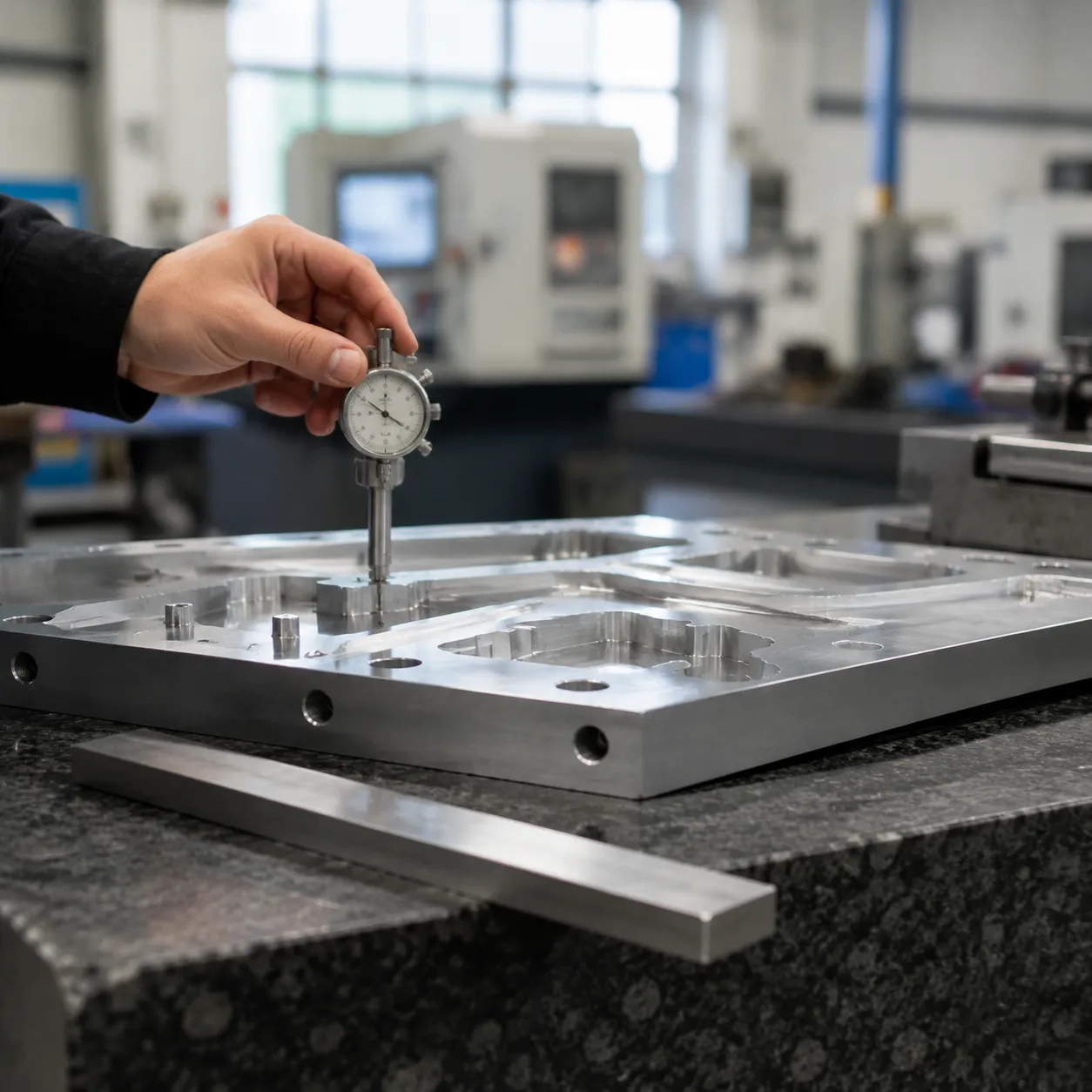
When you’re deciding between MIC-6 precision cast aluminum and 6061-T6, it usually comes down to one thing: do you care more about flatness and dimensional stability, or about structural strength and versatility.
Quick comparison: MIC-6 vs. 6061-T6
| Feature | MIC-6 Precision Cast Aluminum | 6061-T6 Aluminum Alloy |
|---|---|---|
| Primary advantage | Flatness & dimensional stability | General strength & versatility |
| Residual stress | Very low, internally stable | Higher, can move after heavy machining |
| Distortion during machining | Minimal distortion | More prone to warp if stock removal is heavy |
| Surface condition | Clean, cast, machinable surface | Rolled or extruded, needs more prep |
| Typical use | Precision tooling plate, jigs, fixtures | Structural parts, brackets, frames |
If you’re building high-precision jigs, fixtures, gauges, or plates where flatness, low residual stress, and dimensional stability matter most, MIC-6 is usually the better call. The material is engineered as a precision cast aluminum plate, so it stays stable even when you machine both sides.
If you’re designing more general CNC parts that need higher structural capability and you’re okay managing distortion and stress relief, then a proven workhorse like 6061-T6 makes sense. For that type of design work, our detailed guide on 6061 aluminum machinability and DFM for CNC milling and turning is a solid reference.
MIC-6 vs. 5000 Series Alloys
5000 series alloys (like common marine-grade plate) are popular for their corrosion resistance and decent strength, but they’re not optimized for the same kind of precision cast aluminum flatness that MIC-6 delivers.
Quick comparison: MIC-6 vs. 5000 series
| Feature | MIC-6 Precision Cast Plate | Typical 5000 Series Plate |
|---|---|---|
| Flatness | Engineered for high flatness | Depends on mill process, not tooling-grade |
| Dimensional stability | High, internally stable | More variation, not stress-optimized |
| Residual stress | Controlled and low | Higher compared to cast tooling plate |
| Target use | Tooling plates, fixtures, precision bases | General plate work, marine, structural |
If your job is precision fixturing, vacuum tables, or 3D print bases where a stable, distortion-resistant, clean machined surface is critical, MIC-6 will usually give you more predictable results than a generic 5000 series plate.
Cost-Effectiveness in Cast Tooling Solutions
On paper, MIC-6 can look more expensive per kilogram than rolled plate alloys. But for real-world precision tooling and fixturing, it often turns out to be the more cost-effective route.
Where MIC-6 saves money overall:
-
- Less rework: High flatness and low residual stress mean fewer corrections and remachining.
- Less scrap: Internally stable material reduces distortion-related rejects.
- Shorter machining time: You spend less time chasing distortion and compensating for movement.
- Better repeatability: Once a fixture is dialed in, it stays stable, lowering long-term operating cost.
If your goal is to build precision, distortion-resistant, dimensionally stable tooling for automotive, aerospace, or general manufacturing, a dedicated MIC-6 precision tooling plate CNC machining workflow is a strong fit. Our own MIC-6 aluminum precision tooling plate CNC machining guide is built exactly around this cost-performance balance for global customers who need reliable, stable, and efficient cast tooling solutions.
Challenges, Limitations, and Considerations
Strength and Structural Bending Limitations
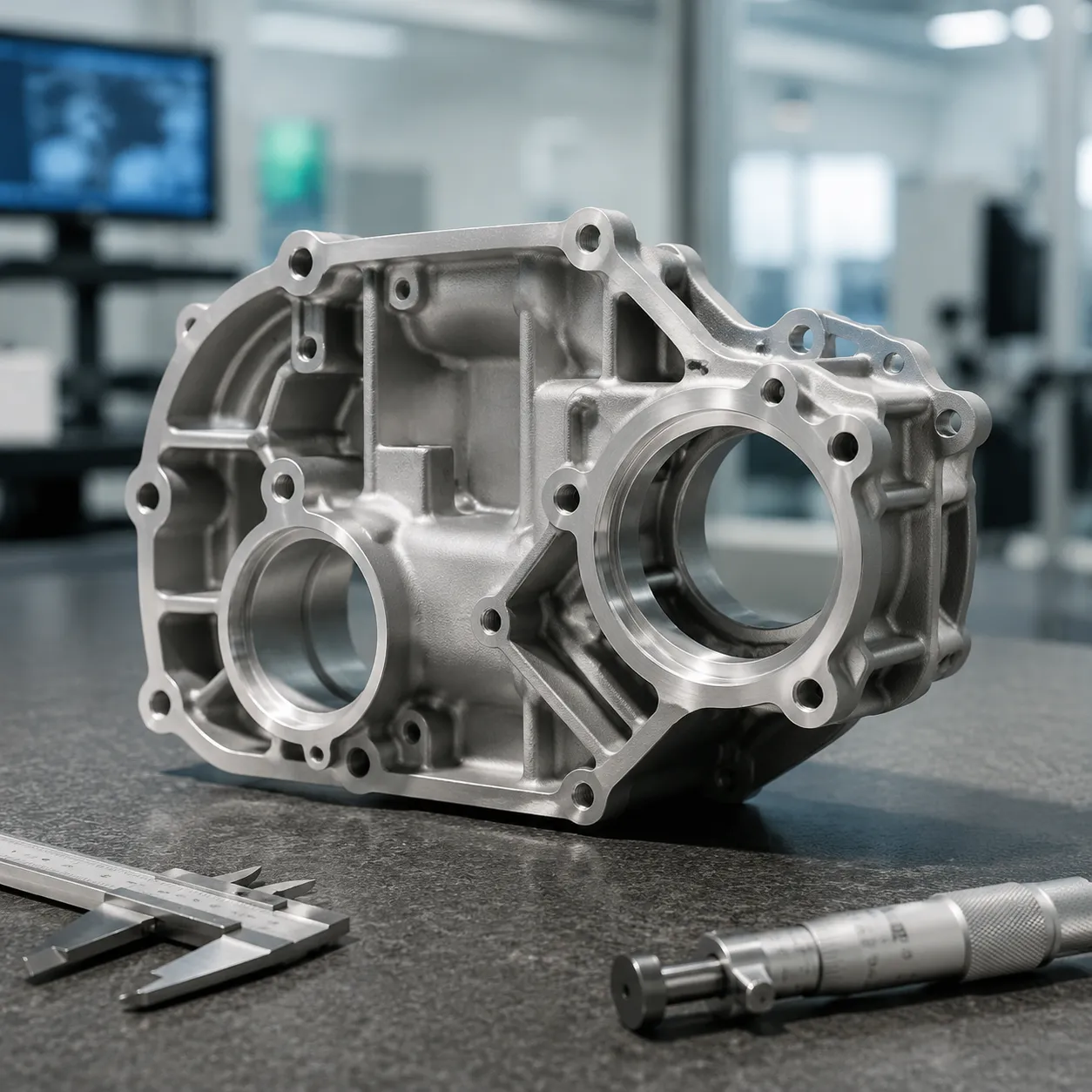
MIC-6 is a precision cast aluminum tooling plate designed for flatness, residual stress control, and dimensional stability, not for maximum strength. Its internally stable structure and clean machined surface make it ideal for jigs, fixtures, and precision tooling, but it is not the best choice where high structural loads, heavy impacts, or long-span bending are involved. If you push MIC-6 into roles better suited to stronger wrought alloys, you risk distortion, permanent bend, or loss of flatness over time. I always treat MIC-6 as a precision reference surface, not a primary load-bearing frame, especially in automotive and aerospace setups where safety margins matter.
Common Mistakes in Material Selection
A common mistake is picking MIC-6 just because “flatness” and “precision cast aluminum” look good on paper, without checking the real loading conditions. Another issue is mixing MIC-6 with random metal alloy plates in the same assembly and then wondering why thermal expansion or residual stress causes misalignment. Some teams also underestimate how important it is to match the plate to the machining strategy; aggressive cuts on a thin plate can still introduce distortion. When we help customers compare MIC-6 to other options, we take the same approach we use in our precision CNC machining for automation and robotics projects, focusing on how the overall system behaves, not just the material label.
Managing Material and Machining Costs
With MIC-6, most of the cost comes from two parts: the premium for precision cast aluminum and the careful CNC machining needed to keep that flatness and dimensional stability intact. To keep budgets under control, I plan parts so we use as much of the supplied plate thickness and size as possible, rather than hogging away unnecessary material. I also standardize thicknesses across projects so we can buy and stock fewer variants. For OEMs and global customers, we combine MIC-6 with efficient workflows similar to our CNC machining in China cost and supplier strategies, balancing surface quality, tolerance, and cycle time so the result is stable, accurate, and still cost-effective.
Frequently Asked Questions (FAQs)
Can MIC-6 be utilized for heavy-load structural components?
MIC-6 is a precision cast aluminum plate built for flatness, dimensional stability, and low residual stress, not for carrying heavy structural loads. I treat it as a tooling and fixturing material, not as a primary load-bearing metal alloy.
For frames, arms, brackets, or general structural parts that see higher bending loads, I usually switch customers over to wrought alloys like 6061-T6 or 5xxx series, which offer better strength-to-weight for structural work. For example, our own 6061 aluminum CNC machining for general-purpose structural components is a better fit when you need higher strength with predictable performance.
If you need MIC-6 in a setup that sees some loading, I keep it in the “precision reference” role:
- Base plates
- Precision surfaces for fixtures
- Platforms where flatness and stability matter more than raw strength
So yes, MIC-6 can sit inside a system that carries load, but I don’t rely on it as the main heavy-load structural member. Its real value is stable, low-distortion, clean machined surfaces, not maximum strength.
How does stress relieving affect MIC-6 during CNC machining?
MIC-6 is cast and processed to be internally stable with very low residual stress. That’s why it holds flatness and dimensional stability so well, even after CNC machining. When I plan machining on MIC-6, the goal is to preserve that stress-relieved condition, not to “fix” it later.
Here’s how I handle it in the shop:
- Balanced cuts: Remove material evenly from both sides to avoid distortion.
- Light finishing passes: Heavy, uneven cuts can re-introduce stress and warp an otherwise flat plate.
- Controlled clamping: Over-clamping can bend the plate during machining; when released, it springs and ruins flatness.
Because MIC-6 already comes stress-relieved, we rarely use additional heat stress-relieving cycles after machining. Instead, I focus on process control during CNC milling to maintain flatness, especially for jigs, fixtures, and precision platforms. For customers chasing extremely tight tolerances, we combine MIC-6 with stable CNC setups similar to those used for semiconductor CNC machining precision parts, where distortion control is critical.
What industries benefit most from MIC-6 precision tooling?
Anywhere precision flatness and dimensional stability beat raw strength, MIC-6 shines. The biggest wins I see are in:
-
- Aerospace:
- Precision fixtures for drilling, assembly, and inspection
- Reference plates where distortion and residual stress must be minimal
- Automotive:
- Checking fixtures, weld fixtures, and inspection gauges
- Low-volume tooling where flatness and clean machined surfaces matter more than brute strength
- Teams focused on reducing machining cost for low-volume automotive CNC parts often pick MIC-6 for predictable, stable fixturing bases
- 3D printing and additive manufacturing:
- Flat build plates and platforms
- Vacuum tables for stable part holding
- Optical and electronics-related work:
- Bases for optical setups
- Platforms for semiconductor or precision assemblies where internally stable, low-distortion metal is needed
In all these industries, MIC-6 gives a strong mix of precision cast aluminum flatness, dimensional stability, and easy CNC machinability. That’s why I push it whenever the priority is stable, repeatable geometry instead of maximum structural load capacity.
 English
  German
  Dutch
Dutch  Russian
  Czech
Czech  French
  Japanese
  Spanish
  Portuguese
  Korean