

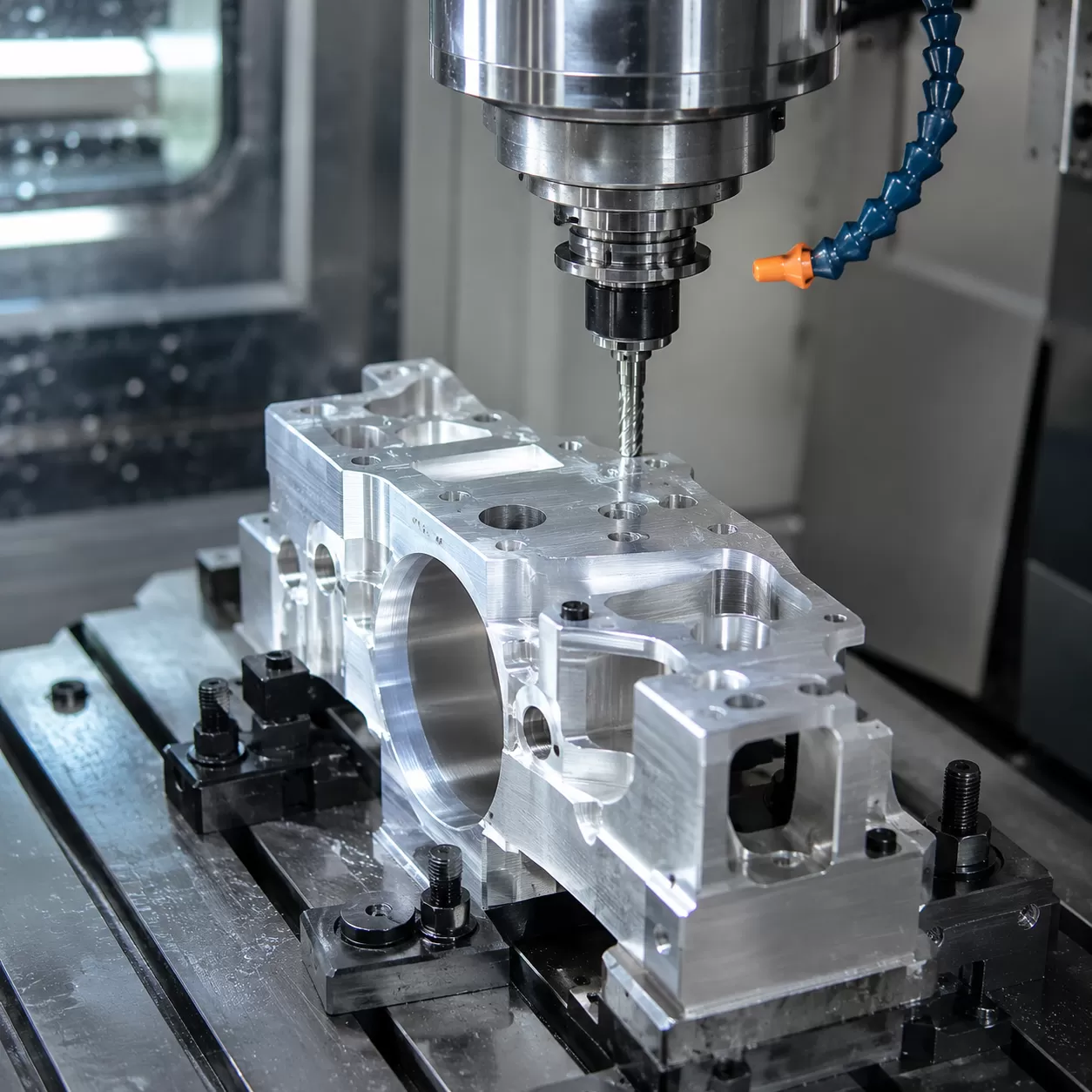
Understanding Aluminum Rapid Prototyping and CNC Machining
What is Rapid CNC Aluminum Prototyping?
Rapid CNC aluminum prototyping is a subtractive manufacturing process that uses computer-controlled cutting tools to quickly remove material from a solid block of aluminum. This digital manufacturing workflow transforms 3D CAD models into physical, high-precision metal prototypes within hours.
For engineering teams across Europe, this process bridges the gap between digital design validation and physical testing. Unlike additive alternatives, CNC machining delivers functional validation using production-grade materials, ensuring that the prototype matches the exact mechanical properties of the final mass-production component.
Benefits of Using Aluminum for Prototypes
Aluminum stands as the industry-standard material for rapid prototyping due to its exceptional machinability and balanced material properties. It allows procurement teams and product designers to test form, fit, and function under real-world operating conditions.
| Feature | Advantage for Prototypes | Impact on Design Validation |
|---|---|---|
| High Machinability | Faster cutting speeds and reduced tool wear | Lowers custom manufacturing costs and lead times |
| Strength-to-Weight Ratio | Excellent structural integrity without excess mass | Ideal for aerospace, robotics, and automotive testing |
| Thermal & Electrical Conductivity | Efficient heat dissipation and grounding capabilities | Crucial for testing consumer electronics and enclosures |
| Surface Finishing Versatility | Accepts anodizing, powder coating, and bead blasting | Allows realistic cosmetic and functional validation |
The 1–3 Day Rapid Turnaround Advantage for EU Buyers
In the competitive European market, launching products ahead of schedule requires agile supply chains. A guaranteed 1–3 day aluminum prototyping workflow eliminates traditional manufacturing bottlenecks, keeping development cycles on track from Berlin to Paris.
- Accelerated Time-to-Market: Cut weeks off the standard hardware design verification process.
- Reduced Transit Times: Optimized logistics networks ensure reliable express delivery across the EU.
- Zero MOQ Flexibility: Order a single small batch production run or a lone custom part without financial penalties.
- Seamless DFM Feedback: Digital procurement platforms analyze designs instantly, eliminating communication delays.
Core CNC Machining Services for Aluminum Prototypes
We deliver high-tolerance custom parts using advanced aluminum rapid prototyping CNC machining: 1–3 day aluminum prototypes for EU buyers. Our facility leverages specialized machining techniques to match your exact design specifications with zero compromises on speed.
High-Precision CNC Milling
Our precision machining centers utilize multi-tool setups to square up blocks, cut deep pockets, and create complex profiles in aluminum stock. This process is ideal for prismatic custom parts that require flat surfaces, precise slotting, and strict dimensional accuracy. For automotive projects requiring fast verification, we align our milling workflows with specialized CNC machining services for automotive aluminum parts in Germany to guarantee rapid, high-tolerance production.
CNC Turning for Cylindrical Components
For rounded or symmetrical engineering components, our CNC turning centers rotate the aluminum stock against stationary cutting tools. This method ensures perfect concentricity and smooth surface finishes for shafts, bushings, and stepped cylinders. When deciding between these fundamental manufacturing methods, engineers can review our guide on CNC milling vs CNC turning to determine which process best suits their specific EU project requirements.
Multi-Axis Machining for Complex Geometries
| Machining Type | Best For | Typical Tolerances |
|---|---|---|
| 3-Axis Milling | Flat, prismatic parts and simple enclosures | ±0.05 mm |
| CNC Turning | Cylindrical, concentric, and round components | ±0.025 mm |
| 5-Axis Machining | Complex aerospace geometries and organic shapes | ±0.012 mm |
When standard 3-axis setups cannot reach intricate undercuts or complex angles without multiple setups, we deploy multi-axis machining. By rotating the part or the cutting head simultaneously, we handle complex geometries in a single operation. This eliminates manual repositioning, reduces lead times, and maintains tight tolerances for high-performance functional validation.
Common Aluminum Alloys for Rapid Prototyping
When utilizing aluminum rapid prototyping CNC machining, selecting the right material grade determines how your custom parts perform during design validation and functional testing. We stock and machine several high-grade aluminum alloys to match your specific engineering components and mechanical requirements.
6061 Aluminum: The Versatile Standard
6061 aluminum is the absolute go-to workhorse for general metal prototypes. It offers an excellent balance of machinability, strength, and cost-effectiveness.
- Key Benefits: Highly weldable, easy to machine, and responds perfectly to standard anodizing treatments.
- Best Used For: Structural brackets, electronic enclosures, and general machinery components.
- Production Advantage: Because it is widely available, choosing 6061 helps maintain our strict 1–3 day aluminum prototypes turnaround for EU buyers.
7075 Aluminum: High-Strength Aerospace Grade
When your functional prototypes demand maximum mechanical strength and fatigue resistance, 7075 aluminum is the ideal choice.
- Key Benefits: Offers a strength-to-weight ratio comparable to some steels, with excellent stress-corrosion cracking resistance.
- Best Used For: High-stress structural parts, gears, and advanced aluminum for aerospace CNC machining applications.
- Precision Quality: We utilize advanced multi-axis milling to hold tight tolerances on this hard alloy, preventing warping during fast-paced low volume production cycles.
5052 Aluminum: Excellent Corrosion Resistance
For parts exposed to harsh environments, marine conditions, or specialized industrial atmospheres, 5052 aluminum delivers superior protection.
| Feature | 5052 Aluminum Performance |
|---|---|
| Corrosion Resistance | Outstanding, especially against salt water and industrial chemicals |
| Formability | Highly workable, making it excellent for sheet metal and bent components |
| Typical Applications | Marine hardware, hydraulic tubes, and rugged electronic chassis |
By matching these specific alloys to your target application, we ensure your rapid prototypes perform exactly like the final mass production units.
Surface Finishing Options for Machined Aluminum
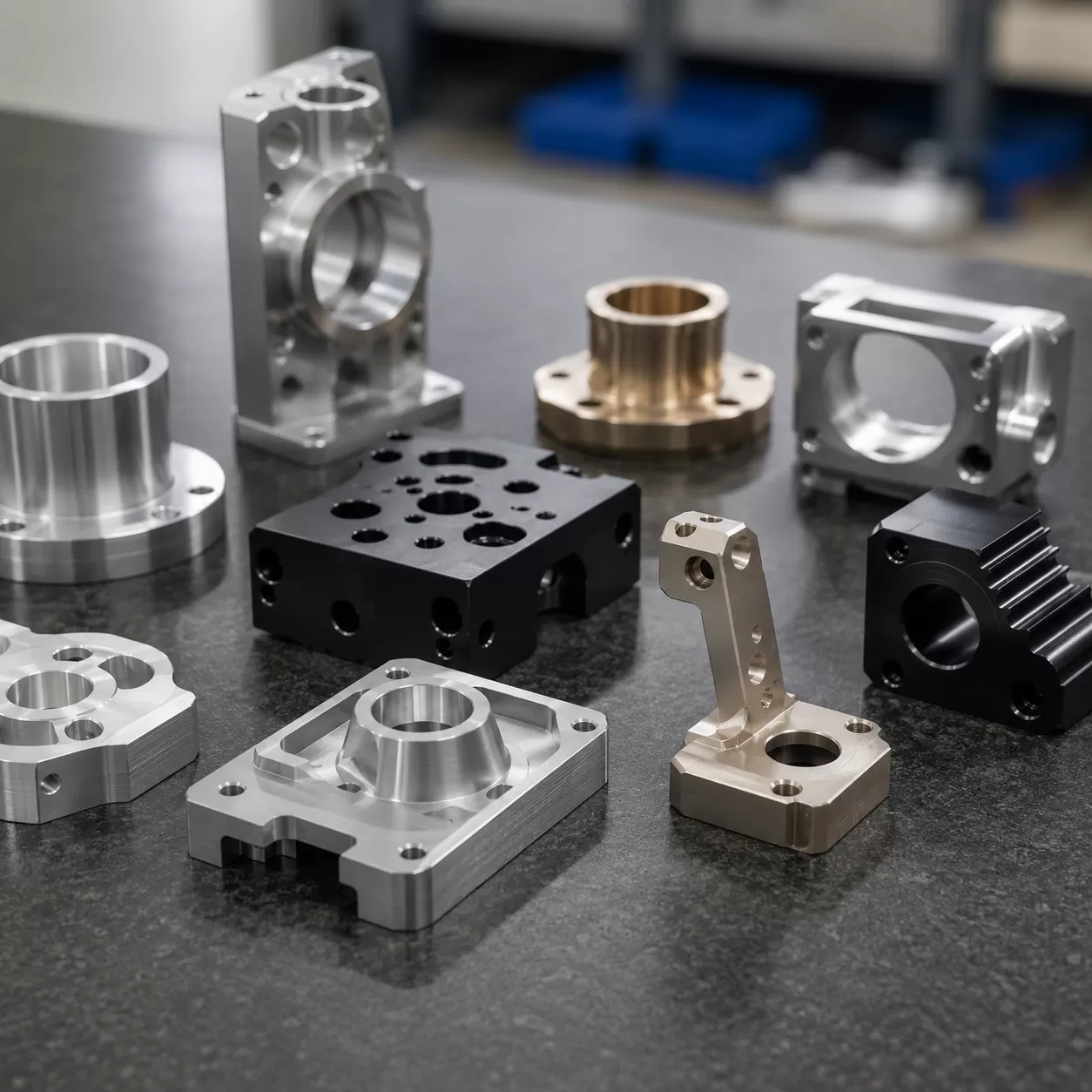
The right surface finish determines how your aluminum rapid prototyping CNC machining parts perform, look, and hold up under stress. We offer a full suite of post-processing options to meet your exact engineering and cosmetic requirements.
| Finish Type | Primary Benefit | Best Used For |
|---|---|---|
| Anodizing (Type II/III) | Corrosion & wear resistance | Aerospace, medical, and color-coded parts |
| Bead Blasting | Uniform matte texture | Removing tool marks, cosmetic housing |
| Powder Coating | Impact resistance & thick protection | Industrial machinery, automotive brackets |
| Brushing & Polishing | Premium decorative look | Consumer electronics, high-end display models |
Anodizing (Type II and Type III)
Anodizing is our go-to solution for protecting custom metal prototypes.
- Type II (Decorative Anodizing): Builds a thin oxide layer that provides excellent corrosion resistance and accepts vibrant color dyes. Ideal for consumer electronics and branding.
- Type III (Hardcoat Anodizing): Creates a thick, ceramic-like layer for extreme wear resistance. This is essential for functional engineering components that face heavy friction.
Bead Blasting and Matte Finishes
Bead blasting fires fine glass beads at the part surface to eliminate tool marks left behind during aluminum rapid prototyping CNC machining.
- Delivers a uniform, non-reflective matte finish.
- Prepares the surface for better paint adhesion.
- Maintains part dimensions while hiding minor manufacturing blemishes.
Powder Coating and Painting
When your design validation requires specific RAL colors or heavy-duty environmental protection, we apply premium powder coatings and industrial paints.
- Powder Coating: Creates a thick, durable barrier that resists chipping, scratching, and chemical exposure.
- Painting: Ideal for achieving precise color matches and high-gloss finishes on external housings.
Brushing and Polishing
For high-end consumer products and architectural models, we provide manual and mechanical line finishing.
- Brushing: Gives the aluminum a distinct directional grain pattern, perfect for modern, premium tech aesthetics.
- Polishing: Smooths out microscopic imperfections to achieve a mirror-like, highly reflective luster.
For more details on how we control tolerances during post-processing, check out our guide on CNC machining accuracy standards.
Applications of Rapid Aluminum Prototypes in European Industries
European manufacturers require speed, precision, and reliable low volume production to stay competitive. Our fast-turnaround aluminum rapid prototyping CNC machining services directly support major EU industrial hubs by delivering design validation parts when timing is critical.
Automotive and Transportation
The European automotive sector relies heavily on lightweighting and structural integrity. Engineers use our rapid aluminum prototypes for functional testing of engine blocks, transmission housings, and custom brackets. Rapid CNC machining allows tier-1 suppliers to run physical stress tests and aerodynamic validations without waiting weeks for tooling.
Aerospace and Defense
In aerospace, every gram matters, and material certification is non-negotiable. We supply high-precision engineering components for drone frames, flight instrumentation housings, and fuel system parts. Our processes ensure tight tolerances and complete material traceability, helping EU aerospace firms speed up their R&D cycles.
Consumer Electronics and Housing
For consumer electronics, aesthetics must match functionality. We produce premium enclosures, heat sinks, and structural frames with exceptional surface finishes. By utilizing CNC machining services for EU industrial machinery and equipment manufacturers, development teams can quickly evaluate the tactile feel, thermal management, and fitment of electronic assemblies.
Medical Devices and Robotics
The robotics and medical sectors demand absolute reliability and biostatical compliance. We machine specialized robotic limbs, surgical guides, and scanner housings.
- Zero MOQ: Prototyping single, highly complex parts without cost penalties.
- Functional Validation: Ensuring parts perform flawlessly under strict clinical or automated conditions before moving to mass production.
Optimizing Design for Rapid CNC Machining (DFM)
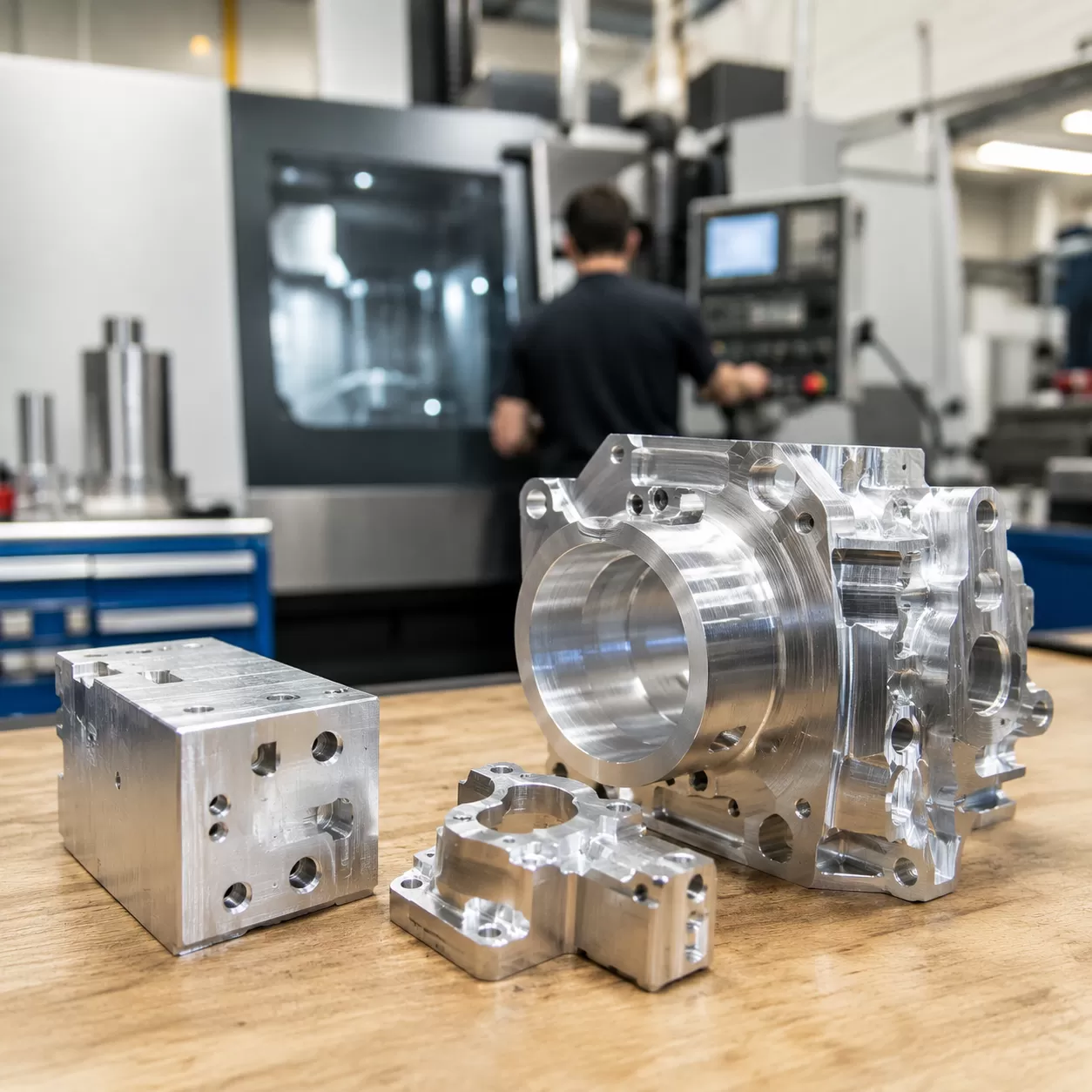
When you need aluminum rapid prototyping CNC machining: 1–3 day aluminum prototypes for EU buyers, every second counts. Designing your parts with Design for Manufacturability (DFM) in mind eliminates machining bottlenecks, slashes production costs, and guarantees your components land in your hands without delays.
Reducing Machining Time and Costs
To get your aluminum prototypes out of our machine shop and into the shipping crate within 24 to 72 hours, optimizing tool paths is critical. Complex setups and deep pockets slow down production. You can significantly lower your expenses and delivery times by implementing strategic design choices:
- Internal Radii: Avoid sharp 90-degree internal corners. Ensure all internal vertical edges have a radius that matches or exceeds standard CNC milling cutters.
- Pocket Depths: Limit the depth of internal cavities to 4x the pocket width. Deep pockets require specialized, slower tooling that drives up costs.
- Wall Thickness: Maintain a minimum wall thickness of 0.8 mm for aluminum to prevent warping during high-speed precision machining.
- Simplify Setups: Design parts to be machined from as few setups as possible to save critical manual labor time.
For a deeper dive into optimizing your part geometry to save money without sacrificing performance, check out our 2026 guide on reducing CNC machining costs without sacrificing quality.
Tolerance Standards for Functional Prototypes
We execute tight tolerances to ensure your custom parts deliver accurate design validation and functional validation. Our standard and precision machining capabilities align perfectly with European engineering expectations.
| Tolerance Class | Linear Dimensions | Typical Application |
|---|---|---|
| Medium (ISO 2768-m) | $pm$ 0.1 mm | General bracketry, outer enclosures, and basic clearance fits. |
| Fine (ISO 2768-f) | $pm$ 0.05 mm | Press-fits, precise alignments, and mating surfaces. |
| Precision Machining | Up to $pm$ 0.01 mm | High-precision aerospace or medical instrument interfaces. |
File Formats and Technical Drawing Requirements
To kick off our low volume production and hit that 1–3 day turnaround window for the EU market, your digital procurement assets must be clean and complete.
- 3D CAD Files: We accept STEP (.stp/.step) and IGES (.igs) formats. These files drive our automated DFM analysis and CAM toolpath generation.
- 2D Technical Drawings: Provide PDF drawings for any parts requiring tight tolerances, specific surface finishes, or tapped threads. Clear annotations prevent back-and-forth communication delays, ensuring immediate production kickoff.
Choosing the Right Manufacturing Partner in the EU
Finding a reliable production partner across Europe requires a balance of speed, compliance, and seamless communication. For engineering and procurement teams, the right partner acts as an extension of their own facility, ensuring that aluminum rapid prototyping CNC machining: 1–3 day aluminum prototypes for EU buyers transitions smoothly from a digital CAD file to a physical component.
Quality Certifications and Compliance (ISO 9001)
When sourcing custom manufacturing services, quality assurance cannot be compromised. We adhere to strict international standards to guarantee that every rapid prototyping batch meets your exact design validation criteria.
- ISO 9001 Certification: Ensures consistent manufacturing workflows and rigorous quality management.
- Full Traceability: Material certificates and CMM inspection reports are available to verify dimensional accuracy before parts ship.
- Tight Tolerances: Our production floor regularly achieves the precision machining standards required for functional validation in high-stakes industries.
Lead Times and Shipping Logistics across Europe
Geographic proximity means nothing without optimized logistics. We streamline our supply chain to guarantee that our 1–3 day rapid prototyping turnaround translates to actual delivery at your facility.
| Region | Typical Shipping Time | Logistics Partners |
|---|---|---|
| Western Europe (Germany, France, Netherlands) | 24 – 48 Hours | DHL Express / FedEx |
| Northern & Southern Europe (Sweden, Italy, Spain) | 48 Hours | TNT / UPS |
| Eastern Europe (Poland, Czech Republic) | 24 – 48 Hours | DHL / Local Express |
By eliminating customs delays within the Schengen zone, we ensure that your low volume production runs and small batch engineering components arrive exactly when your project schedule demands.
Instant Quoting and Digital Procurement Platforms
Modern engineering moves too fast for traditional, slow RFQ processes. Our digital procurement platform removes the friction from sourcing custom parts.
Streamlined Sourcing: Upload your 3D CAD files directly to receive an automated DFM analysis and pricing.
This instant quoting system allows procurement teams to verify manufacturing feasibility on the fly, lock in competitive pricing with zero MOQ restrictions, and kickstart the CNC machining process within minutes. For multi-axis projects, understanding design tips for parts that will be machined on 5-axis CNC can further accelerate the quoting and programming phase, cutting down total lead times significantly.
Frequently Asked Questions about Aluminum Prototyping
How can I get a 24-hour quote?
Getting a fast quote for your aluminum rapid prototyping CNC machining project is simple. Upload your 3D CAD files (STEP, IGES, or Parasolid format) directly to our online quote platform. Our team conducts a rapid DFM analysis to evaluate part geometry, tool access, and setups. You will receive a detailed, binding quote within 24 hours, keeping your tight development schedules on track.
What is the minimum order quantity for CNC prototypes?
We operate with a zero MOQ policy. Whether you need a single engineering component for design validation or a small batch production run for functional testing, we accommodate your exact needs. You only pay for the parts you require, minimizing upfront development costs for your procurement teams.
How does CNC machining compare to 3D printing for aluminum?
While 3D printing (DMLS/SLM) offers high design freedom for complex internal geometries, CNC machining remains the superior choice for high-performance engineering parts.
| Feature | CNC Machining | 3D Printing (Metal) |
|---|---|---|
| Material Properties | Uses isotropic, solid wrought alloys | Layer-by-layer fusion can leave micro-porosity |
| Surface Finish | Excellent standard finishes, compatible with anodizing | Rough as-printed surface, requires heavy post-processing |
| Tolerances | Achieves tight tolerances down to $pm0.01text{ mm}$ | Generally limited to $pm0.1text{ mm}$ |
| Mechanical Strength | Ideal for high-stress structural parts | Lower fatigue strength |
For high-stress applications, choosing specialized aluminum CNC machining for aerospace components ensures the part matches the exact mechanical properties of mass-production metal prototypes.
Can rapid prototypes be used for bridge production?
Yes. Because our rapid prototyping services utilize production-grade aluminum alloys and high-precision milling, the parts are fully functional. These prototypes are robust enough to serve as bridge production units, allowing you to launch products, conduct field tests, or supply early customers while permanent high-volume tooling is being manufactured.
 English
  German
  Dutch
Dutch  Russian
  Czech
Czech  French
  Japanese
  Spanish
  Portuguese
  Korean
Reviews
There are no reviews yet.