

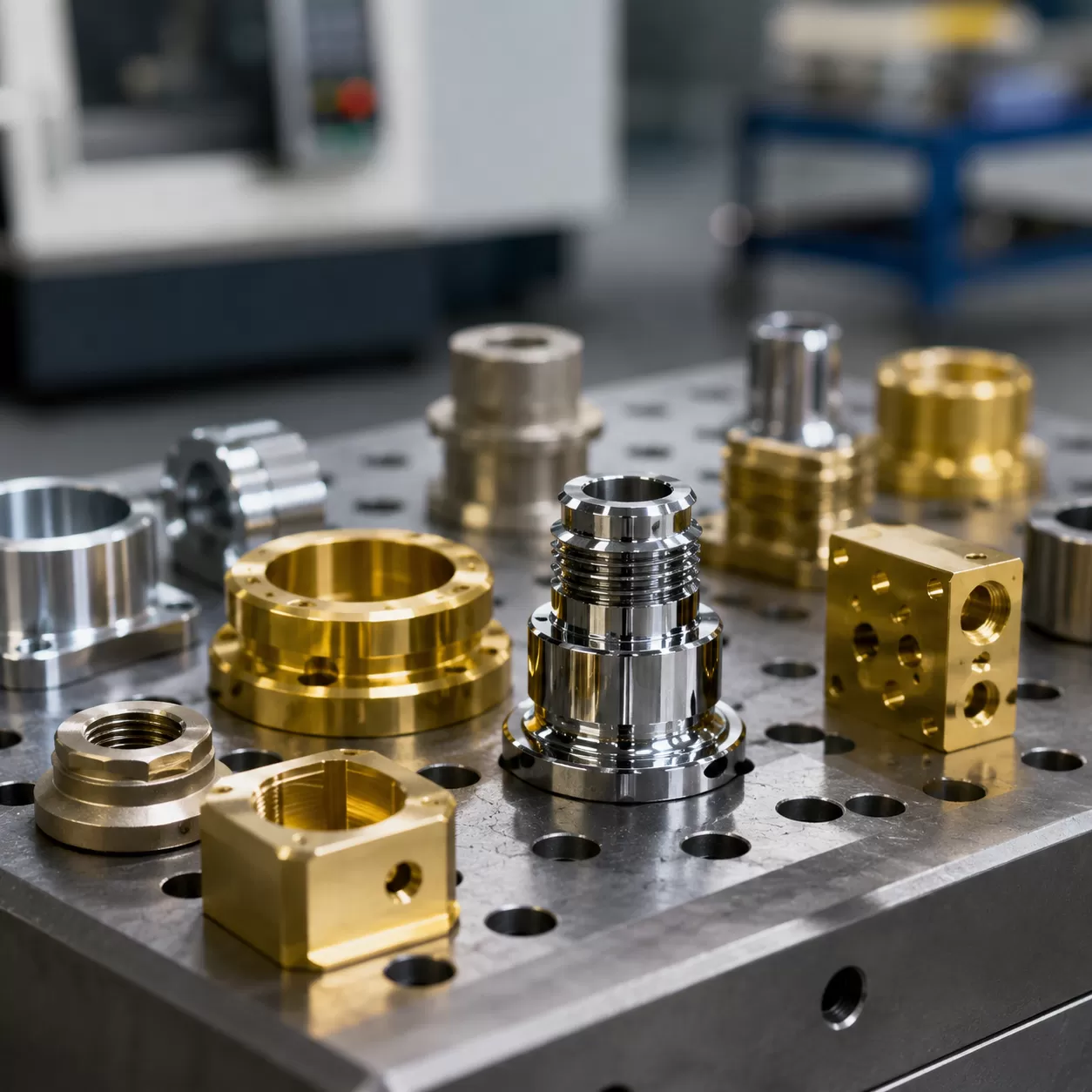
Introduction to Brass Plating and Finishing for CNC Machined Parts
Understanding Brass CNC Machining and Post-Processing
Brass CNC machining is a cornerstone of high-precision manufacturing, valued for its exceptional machinability, thermal conductivity, and natural corrosion resistance. Through high-speed CNC milling and turning, raw brass alloys are sculpted into intricate, tight-tolerance components.
However, the raw, as-machined surface is only the starting point. Post-processing steps—specifically specialized brass plating and finishing services—are essential to transition raw components into high-performance industrial parts. Post-machining treatments eliminate microscopic surface imperfections, tool marks, and burrs, preparing the metal substrate for seamless integration into demanding global supply chains.
Why Apply Surface Finishing to CNC Brass Parts?
While unplated brass offers reliable baseline performance, raw brass is susceptible to atmospheric oxidation, tarnish, and friction wear over time. Applying an engineered functional finish or decorative electroplating layer addresses these vulnerabilities directly.
Raw CNC Brass Part ➔ Surface Pre-Treatment ➔ Electroplating/Finishing ➔ High-Performance Component
The primary drivers for utilizing specialized surface finishing services include:
- Environmental Isolation: Prevents the formation of copper carbonate (green patina) in humid or marine settings.
- Surface Hardening: Significantly reduces mechanical wear on moving parts and mating surfaces.
- Electrical Optimization: Enhances or maintains surface conductivity while preventing contact resistance degradation.
- Aesthetic Uniformity: Delivers premium, repeatable visual appeal for luxury hardware and high-end consumer facing products.
Key Properties and Benefits of Finished Brass Components
Integrating premium plating—such as nickel, chrome, and gold—onto CNC machined brass parts yields a composite component with superior characteristics. The core benefits are outlined below:
| Plating / Finish Type | Key Properties Enhanced | Primary Industrial Benefit |
|---|---|---|
| Nickel Plating | Wear resistance, hardness, barrier layer | Prevents zinc migration; extends service life |
| Chrome Plating | Extreme hardness, low coefficient of friction | Superior scratch resistance; bright aesthetics |
| Gold Plating | Low contact resistance, oxidation immunity | Optimal signal integrity for electronic connectors |
| Passivation & Polishing | Surface purity, smooth topography | Eliminates contaminants; enhances natural luster |
By matching the correct surface finishing process to the specific CNC machined brass alloy, manufacturers achieve the exact balance of dimensional precision, durability, and aesthetic excellence required by global industry standards.
Before plating and finishing, we provide precision custom brass and copper CNC machining for electrical and industrial components.
Electroplating Options for CNC Brass Parts
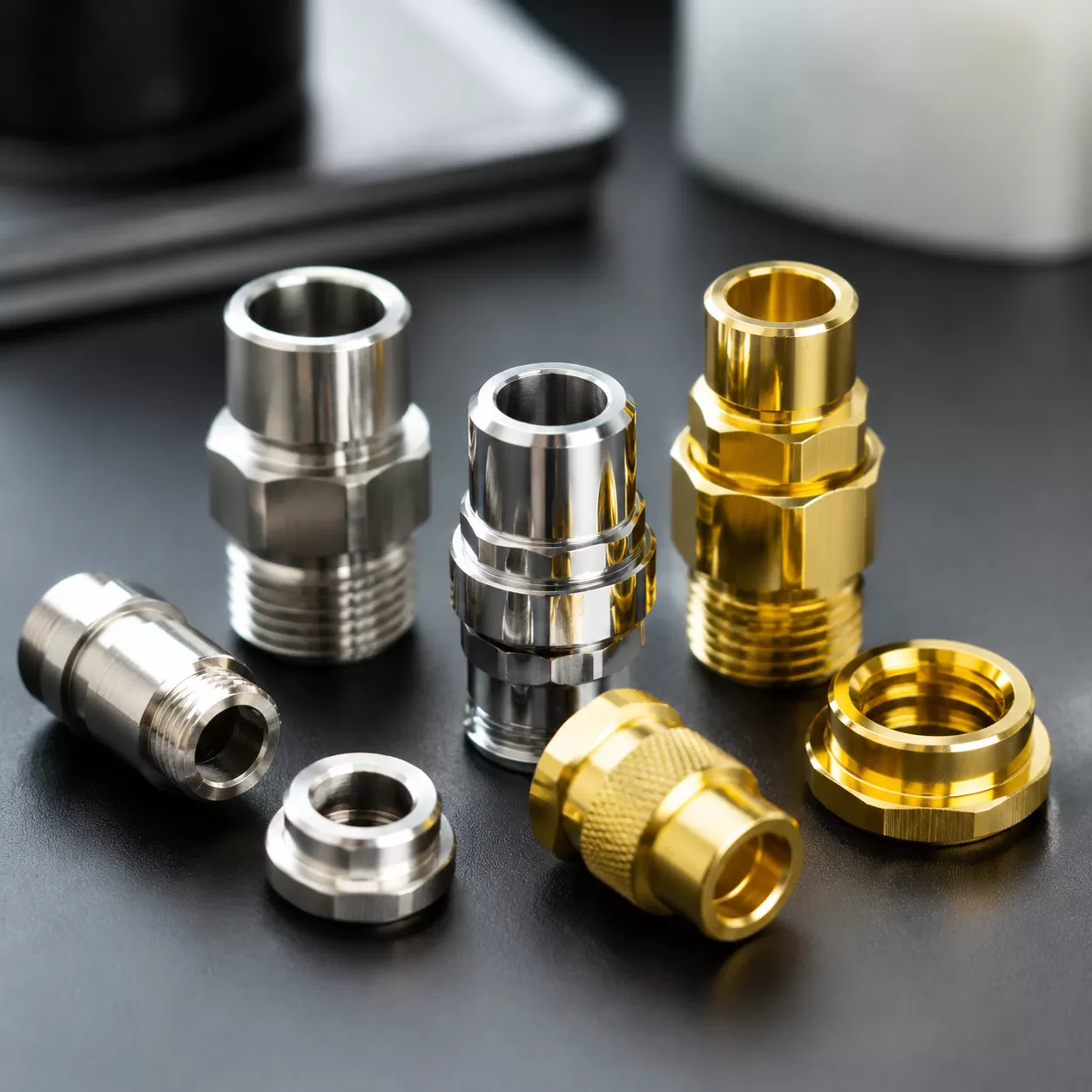
We offer specialized brass plating and finishing services for CNC machined parts: nickel, chrome and gold. Electroplating enhances the base brass material, adding critical functional layers that improve wear resistance, conductivity, and visual appeal.
Choosing the right electroplating finish depends on your project’s specific mechanical and aesthetic requirements:
| Plating Type | Key Benefit | Common Applications |
|---|---|---|
| Nickel Plating | Wear & Corrosion Resistance | Industrial valves, fasteners, automotive |
| Chrome Plating | Extreme Durability & Bright Mirror Finish | Marine hardware, high-end consumer goods |
| Gold Plating | Electrical Conductivity & Premium Aesthetics | Electronics, medical connectors, aerospace |
Nickel Plating for Wear and Corrosion Resistance
Nickel electroplating creates a robust barrier that protects brass from oxidation and friction. We utilize both electrolytic and electroless nickel plating processes to ensure uniform thickness, even on complex geometries with tight tolerances.
- Corrosion Protection: Prevents the underlying copper in brass from tarnishing when exposed to moisture.
- Wear Resistance: Hardens the surface to extend the lifespan of moving parts and threaded components.
- Diffusion Barrier: Often acts as an essential underlayer for secondary finishes like gold or chrome to prevent base metal migration.
Chrome Plating for Durability and Bright Aesthetics
Chrome plating delivers a sleek, modern, mirror-like surface appearance while providing exceptional surface hardness. It is the ideal choice for components that face harsh environments or require a premium look.
- High Scratch Resistance: Reduces surface friction and resists scratching under heavy mechanical use.
- Aesthetic Appeal: Provides a bright, reflective finish that elevates the perceived value of consumer-facing products.
- Easy Maintenance: Resists smudging and staining, making it highly effective for decorative hardware.
Gold Plating for High Conductivity and Decorative Appeal
For high-end electronic and industrial applications, gold plating offers unmatched functional benefits. Because gold does not oxidize, it maintains stable electrical properties over long periods.
- Excellent Conductivity: Ensures reliable, low-resistance electrical contact points for precision electronics.
- Oxidation Resistance: Ideal for critical components in aerospace and medical devices where performance cannot fail.
- Premium Decorative Applications: Delivers a rich, luxurious appearance for high-end luxury goods and custom hardware.
Alternative Surface Finishing Techniques for Brass
As-Machined, Polished, and Mirror Finishes
Leaving brass parts in their as-machined state is the most economical route, showcasing a raw, functional finish straight from our CNC milling and turning centers. However, when your project demands a step up in surface appearance, we move to buffing and polishing.
By utilizing precision abrasive wheels, we can transition raw brass into a high-luster, mirror finish. This mechanical process removes minor tool marks, preparing the surface for high-end decorative applications or creating an ultra-smooth base layer that is absolutely critical before moving forward with premium brass CNC machining services for electrical connectors and terminals.
Brushed and Satin Mechanical Finishes
For a more contemporary, muted look, mechanical brushing and satin finishing are excellent alternatives to high-gloss polishing. We use specialized abrasive belts and vibratory processes to create a consistent, directional grain across the brass surface.
- Brushed Finish: Distinct, parallel lines that excel at hiding fingerprints and minor scratches over prolonged use.
- Satin Finish: A softer, non-reflective appearance that offers a premium, modern aesthetic.
These functional finishes are highly sought after in modern architecture, consumer electronics, and high-wear environments where maintaining a flawless gloss finish is impractical.
Powder Coating and Passivation Services
When electroplating isn’t the right fit, we provide advanced protective coatings to seal and secure your components. Powder coating applies a durable, uniform polymer layer over the brass, offering exceptional impact resistance and a massive variety of custom color options.
For parts that need to retain their natural brass look while resisting tarnish, we use passivation services. This chemical treatment removes free iron and contaminants from the surface, forming a microscopic passive oxide layer. It significantly boosts corrosion resistance without altering the tight tolerances of your precision parts.
Common Brass Alloys Used in CNC Machining and Plating
Choosing the right material is the first step in delivering high-quality brass plating and finishing services for CNC machined parts. Different brass alloys react uniquely to electroplating and mechanical finishing. We source and machine the optimal alloy grades to ensure excellent plating adhesion, whether you require nickel, chrome, or gold finishes.
C360 Free-Cutting Brass
C360 is the gold standard for CNC milling and turning. Known for its unmatched machinability, it allows us to produce high-precision components with tight tolerances quickly.
- Plating Compatibility: Highly receptive to electrolytic copper, nickel, and chrome plating.
- Best For: Fasteners, fittings, valves, and high-volume hardware requiring a flawless surface appearance.
C260 Cartridge Brass
C260 offers the highest ductility among yellow brasses, making it excellent for components that require severe cold working or stamping before undergoing precision machining.
- Plating Compatibility: Its smooth surface grain makes it a perfect candidate for decorative gold plating and mirror finishes without extensive pre-buffing.
- Best For: Electrical terminals, ammunition components, and highly aesthetic consumer hardware.
C464 Naval Brass and Low-Lead Alternatives
Engineered for harsh environments, C464 Naval Brass contains tin to resist zinc stripping in seawater. For industries with strict compliance needs, we also process low-lead and lead-free brass alternatives.
- Plating Compatibility: Requires specialized passivation and cleaning cycles prior to electroplating to ensure strong adhesion in marine applications.
- Best For: Marine hardware, pump shafts, and specialized medical devices that require strict biocompatibility and corrosion resistance.
| Alloy Grade | Machinability Rating | Primary Benefit | Common Plating Matches |
|---|---|---|---|
| C360 Brass | 100% (Baseline) | Extreme speed and precision | Nickel, Chrome, Tin |
| C260 Brass | 30% | High formability and smoothness | Gold, Silver, Decorative Chrome |
| C464 Brass | 65% | Exceptional marine corrosion resistance | Electroless Nickel, Passivation |
Industrial Applications of Plated Brass Components
Aerospace and Defense Systems
In aerospace and defense, equipment must perform flawlessly under extreme stress. We provide premium brass plating and finishing services for CNC machined parts to ensure these critical components resist harsh environmental degradation. Military-grade systems rely on nickel-plated brass for its exceptional wear resistance and ability to withstand severe thermal cycling. By applying precise electroplating to our CNC machining services, we deliver heavy-duty components that meet strict aviation tolerances and survive rugged field conditions.
Electronics and Electrical Connectors
Electrical systems demand flawless signal transmission and minimal contact resistance. Unfinished brass tarnishes over time, creating an insulative layer that disrupts power flow. To prevent this, we utilize specialized gold and silver electroplating processes on CNC turned pins, sockets, and terminals.
- Gold Plating: Offers unmatched oxidation resistance and superb conductivity for low-voltage signals.
- Nickel Underplating: Prevents copper migration, extending the operational lifespan of the connector.
- Tin & Palladium Options: Provide cost-effective alternatives for high-volume consumer electronics and automated switchgear.
Medical Devices and High-End Decorative Hardware
For the medical sector, sanitation and precision are non-negotiable. Our chrome and nickel-plated brass parts offer the smooth, non-porous surfaces required for strict sterilization protocols in diagnostic and surgical environments. Beyond clinical utility, these high-end finishes deliver massive value to the commercial market. We produce stunning, durable brass architectural hardware like handles and hinges that combine structural strength with premium aesthetics. Whether it is a mirror-polished chrome finish for a luxury fixture or a satin nickel coat for medical equipment, our finishing services bridge the gap between functional longevity and visual appeal.
Quality Control, Testing, and Compliance Standards
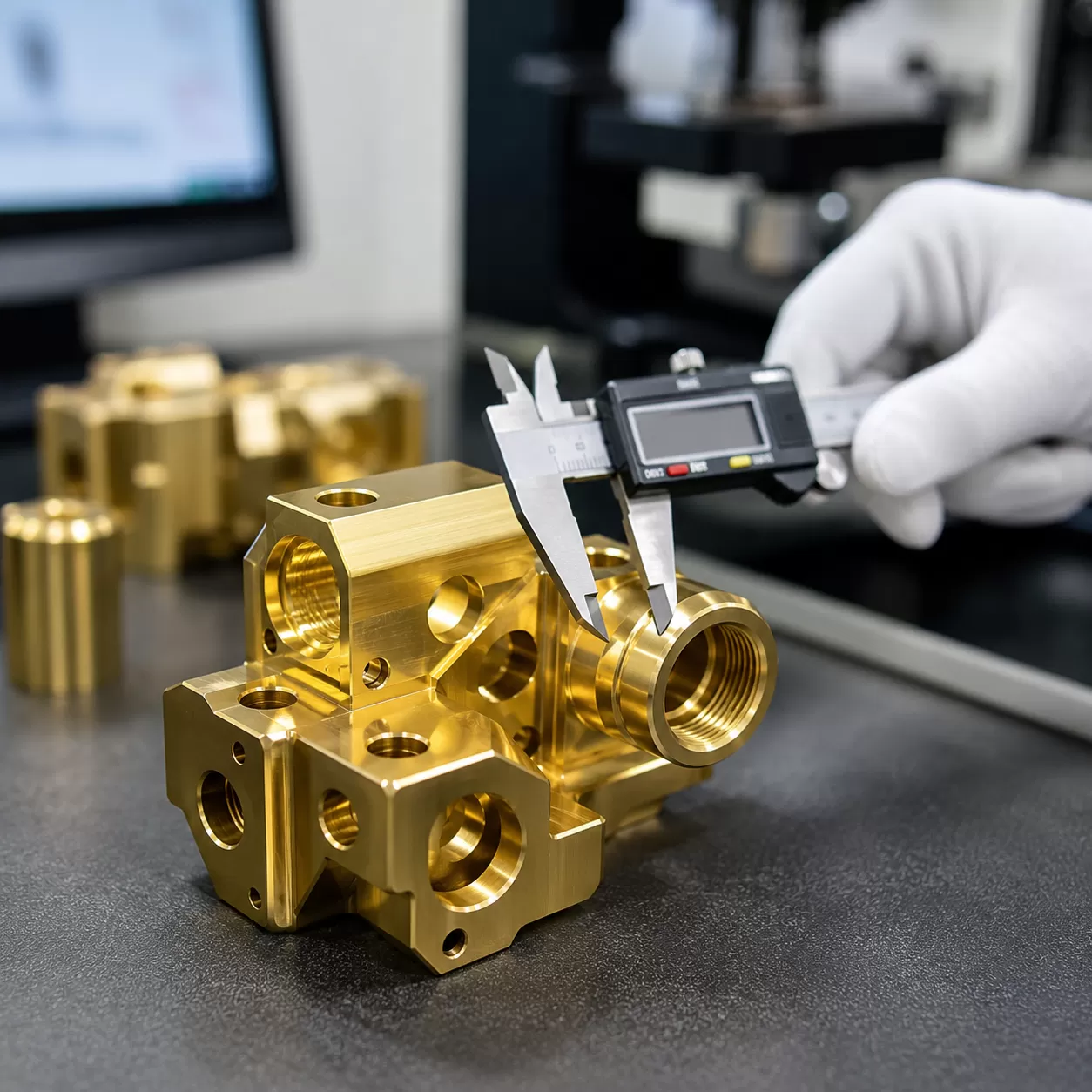
Our brass plating and finishing services for CNC machined parts—including nickel, chrome, and gold—rely on rigorous quality control. We guarantee that every custom component meets strict industrial specifications and delivers reliable performance in the field.
Thickness Testing and Salt Spray Corrosion Resistance
We use advanced X-ray Fluorescence (XRF) testing to verify exact plating thickness across complex geometries. To ensure long-term durability, finished parts undergo standardized salt spray testing. This process simulates harsh environments to validate the corrosion resistance of our nickel, chrome, and gold layers before delivery.
ISO 9001, AS9100, and RoHS/REACH Compliance
Our manufacturing and electroplating processes align with international standards to support high-stakes industries.
- ISO 9001: Standardizes our general quality management for consistent production.
- AS9100: Certifies our processes for demanding aerospace and defense applications.
- RoHS & REACH: Ensures all plating chemistries are environmentally safe and free from restricted hazardous substances.
For projects requiring specialized material tracking and strict compliance across different metals, you can review our full CNC materials alloys breakdown.
Precision Inspection and Tolerance Control
Plating alters the final dimensions of precision components. We utilize coordinate measuring machines (CMM), micrometers, and thread gauges to manage these changes. By calculating plating build-up during the initial machining stage, we keep final parts within your exact tolerance limits.
How to Optimize Design and Costs for Plated Brass Parts
Design for Manufacturing (DFM) Guidelines for Plating
When designing custom parts for brass plating and finishing services for CNC machined parts: nickel, chrome and gold, a few minor tweaks can significantly cut your production costs. Electroplating relies on a uniform flow of electrical current, meaning tight internal corners and deep blind holes often suffer from poor coverage.
To ensure a flawless finish, implement these core DFM practices:
- Add Generous Radii: Avoid sharp 90-degree internal edges. Use a minimum radius of 0.8mm to prevent uneven plating buildup.
- Escape and Drain Holes: For parts with deep recesses or internal cavities, include drain holes. This prevents trapping plating solutions, which leads to chemical corrosion.
- Thread Allowances: Plating adds thickness. Always adjust your CAD models to undersize external threads or oversize internal threads before machining. This step ensures that components like precision CNC turned components fit perfectly after receiving their final coating.
Choosing the Right Plating Method: Rack vs. Barrel Plating
The choice between rack and barrel plating directly impacts both your final unit price and cosmetic quality.
| Plating Method | Best For | Pros | Cons |
|---|---|---|---|
| Rack Plating | Large, complex, or delicate CNC parts | Prevents part-on-part damage; ensures precise, high-end cosmetic finish. | Higher labor costs; requires dedicated fixture contact points. |
| Barrel Plating | Small parts, fasteners, and high-volume runs | Highly cost-effective; fast processing times for bulk orders. | Risk of minor scratches due to tumbling; not suitable for delicate threads. |
For premium decorative applications or tight-tolerance electronics components, rack plating is the industry standard. For bulk hardware, barrel processing keeps budgets intact.
Cost-Effective Material and Finish Selection
Optimizing costs requires balancing your chosen brass alloy with the right finishing specification. High-purity gold plating offers unmatched conductivity and luxury appeal, but using it as a thick, solid layer drives costs up quickly.
To keep your projects highly competitive, consider these strategies:
- Use C360 Free-Cutting Brass: This alloy machines exceptionally fast, lowering your initial CNC milling and turning costs before the parts ever hit the plating tanks.
- Specify Selective Plating: If you only need gold for electrical contact points, apply gold selectively and use functional nickel or chrome on the remaining surfaces.
- Utilize Underplatings: Always use an electroless nickel underplate. It acts as a diffusion barrier, improving the adhesion of topcoats like gold or chrome, meaning you can achieve better wear resistance with a thinner, more affordable final layer.
Frequently Asked Questions About Brass Plating Services
Can brass parts withstand marine and harsh environments?
Yes, but raw brass will naturally oxidize and corrode over time when exposed to salt water and harsh weather. To prevent this, we apply specialized brass plating and finishing services for CNC machined parts: nickel, chrome and gold.
For marine and rugged industrial environments, chrome plating and electroless nickel plating offer the best protection. These finishes act as a tough barrier against saltwater corrosion, pitting, and wear. If your application demands low friction along with environmental resistance, using treated alloys like brass gear and bushing CNC machining ensures long-term reliability in the field.
How does plating affect the dimensional tolerances of CNC parts?
Electroplating adds a measurable layer of material to the surface of your components. This buildup typically ranges from 2 to 15 microns ($0.00008″ text{ to } 0.0006″$) per side, depending on whether you choose nickel, chrome, or gold.
- Threaded Features: Plating will reduce internal thread diameters and increase external thread diameters.
- Precision Fits: Mating surfaces and tight-tolerance bores must account for this extra thickness during the initial CNC milling or turning stage.
- Our Approach: We calculate these dimensional changes beforehand, machining your raw brass parts slightly undersized so they hit exact blueprint specifications after the final plating process.
What is the minimum order quantity for custom plating services?
We do not enforce a strict, restrictive minimum order quantity (MOQ) for our finishing services. We support everything from single-part prototypes to high-volume production runs.
| Order Type | Best Plating Method | Main Benefit |
|---|---|---|
| Prototypes & Low Volume | Rack Plating | Maximum precision, individual part handling, and zero part-on-part contact damage. |
| High-Volume Production | Barrel Plating | Highly cost-effective, fast turnaround times, and uniform batch coverage. |
Whether you need a single gold-plated decorative component or thousands of nickel-plated electrical connectors, we tailor our electroplating and mechanical finishing setups to match your budget and scaling needs.
 English
  German
  Dutch
Dutch  Russian
  Czech
Czech  French
  Japanese
  Spanish
  Portuguese
  Korean
Reviews
There are no reviews yet.