

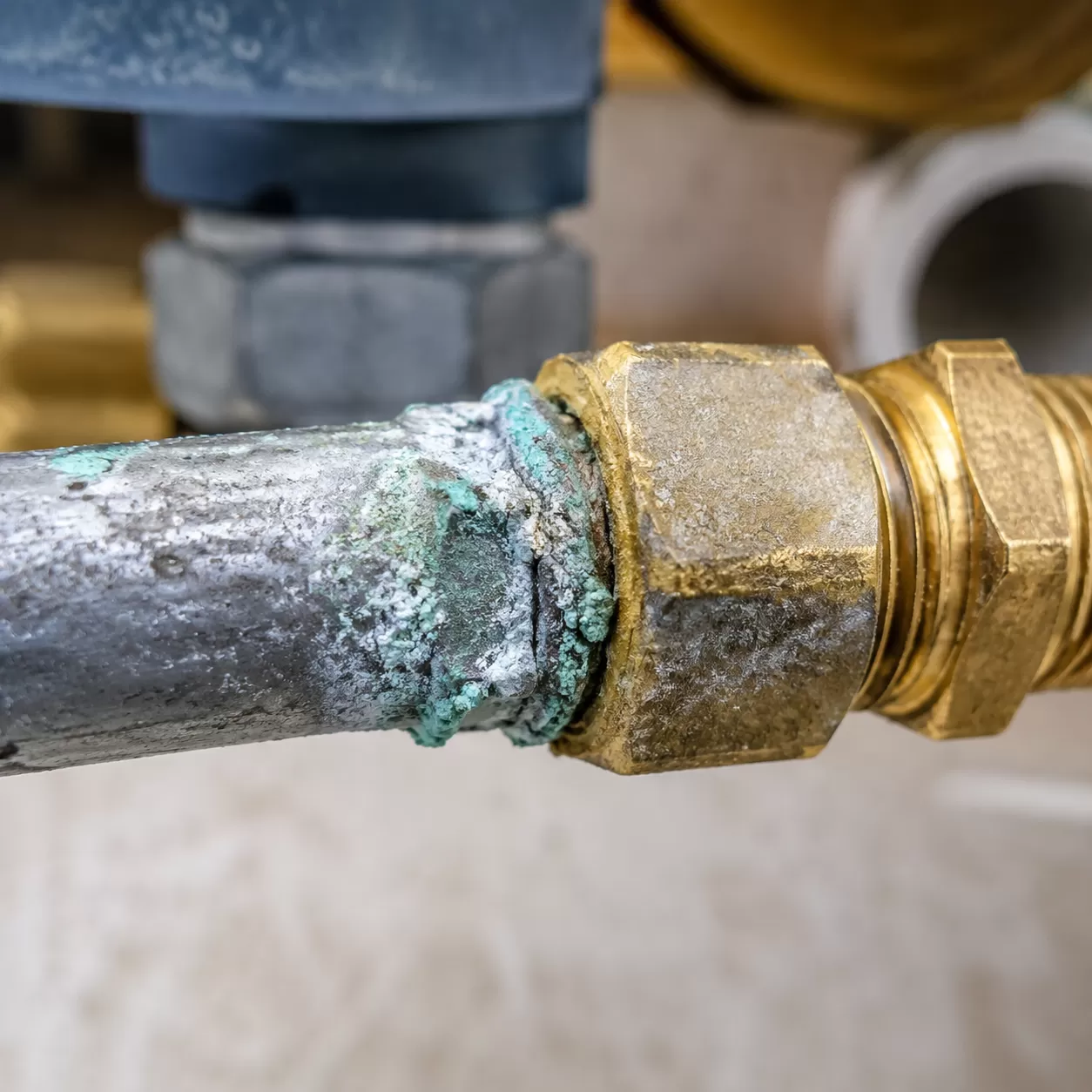
Understanding the Risk: Mixing Brass and Aluminum in CNC Assemblies
What is Galvanic Corrosion?
Galvanic corrosion is an electrochemical process that occurs when two dissimilar metals make direct contact in the presence of an electrolyte, such as moisture or saltwater. When these conditions are met, a natural electrical current flows between the metals. One metal becomes the anode (corroding rapidly) while the other becomes the cathode (remaining protected). In CNC precision assemblies, this reactive pairing can silently destroy tight-tolerance components, leading to premature mechanical failure.
The Galvanic Series Rule: Why Brass and Aluminum Conflict
The Galvanic Series rates metals based on their electrical potential. For stable, long-lasting CNC assemblies, the voltage potential difference between two mating metals should ideally not exceed 0.15 V in harsh environments, or 0.25 V in controlled indoor environments.
When pairing brass and aluminum, the conflict becomes clear:
- Aluminum (Anode): Highly active, ranging from -0.75 V to -0.90 V depending on the alloy.
- Brass (Cathode): Noble and passive, sitting around -0.40 V.
- The Potential Difference: Often exceeds 0.35 V to 0.50 V, far bypassing safe engineering limits.
Because of this steep gap in galvanic compatibility, aluminum acts as a sacrificial anode. It aggressively corrodes to protect the brass, compromising the structural integrity of the CNC machined part.
| Metal Combination | Electrical Potential | Potential Difference | Compatibility Status |
|---|---|---|---|
| Aluminum to Aluminum | -0.75 V to -0.90 V | 0.00 V | Highly Compatible |
| Brass to Brass | -0.40 V | 0.00 V | Highly Compatible |
| Aluminum to Brass | -0.75 V & -0.40 V | 0.35 V – 0.50 V | Critical Risk / Incompatible |
The Role of Electrolytes and Environmental Factors
The presence of a conductive medium determines how fast a galvanic reaction occurs. Without an electrolyte, even incompatible metals can co-exist with minimal immediate damage. However, environmental factors introduce significant risk:
- Moisture and Humidity: Atmospheric condensation creates a thin liquid film on CNC parts, kicking off low-level corrosion.
- Saltwater and Marine Climates: Salt acts as an aggressive conductor, lowering electrical resistance and accelerating material degradation.
- Industrial Pollutants: Acid rain and chemical vapors create a highly conductive electrolyte path, multiplying the speed of the galvanic failure.
The Impact of Galvanic Corrosion on CNC Machined Parts
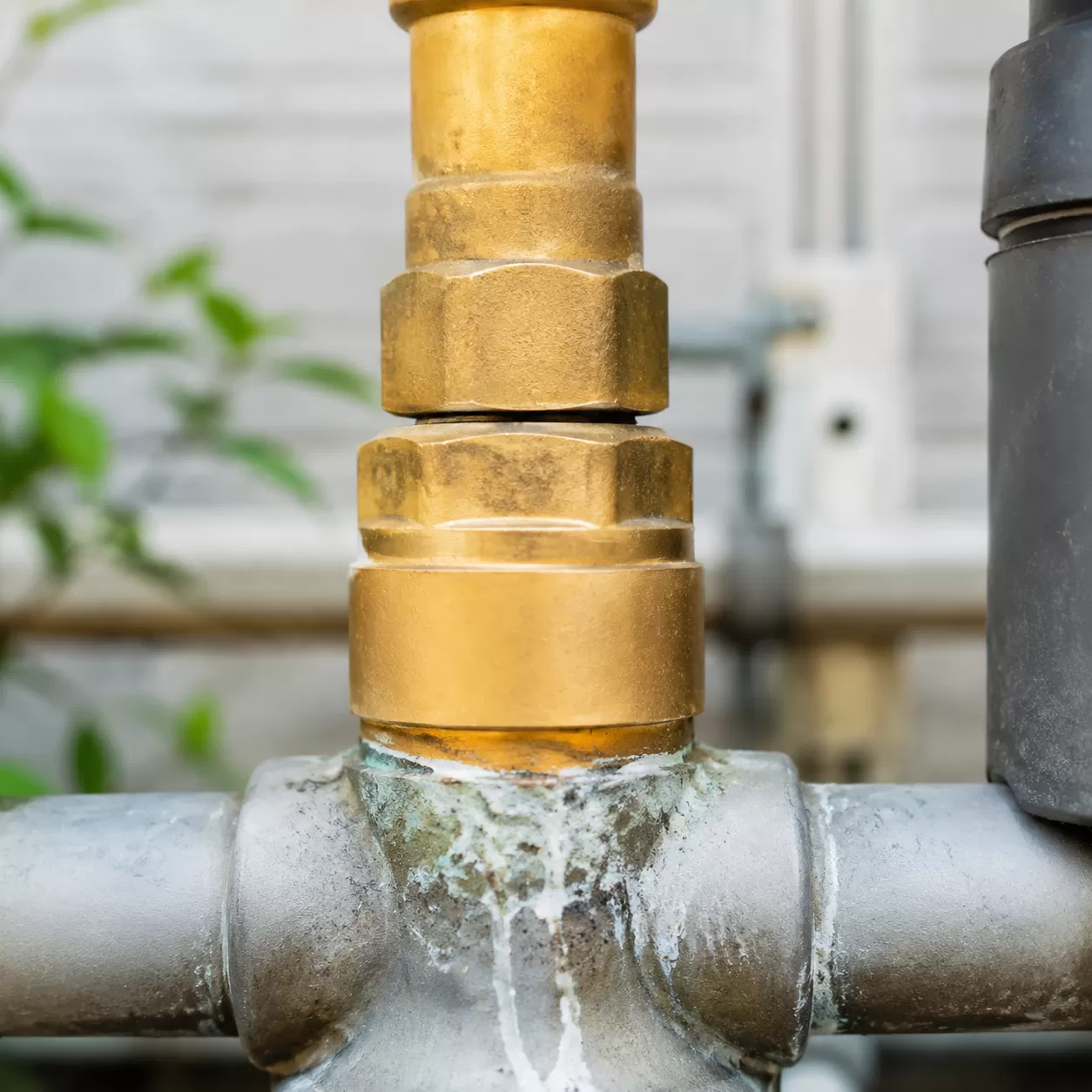
When dissimilar metals like brass and aluminum share direct contact in a CNC assembly, a silent, destructive galvanic reaction triggers. Because aluminum acts as the anode and brass acts as the cathode, the aluminum rapidly sacrifices itself. In the world of high-tolerance manufacturing, this compatibility mismatch leads to severe mechanical failures that can ruin an entire production run.
Accelerated Material Degradation
Leaving a mixed-metal assembly unprotected in the presence of a localized electrolyte (like atmospheric moisture or condensation) accelerates material degradation at an alarming rate.
- Pitting and Gouging: The aluminum surface develops deep pits, compromising structural integrity.
- Loss of Tolerances: CNC precision relies on exact measurements. Corrosion eats away at these tight boundaries, creating unwanted play in the assembly.
- Cosmetic Ruin: The structural breakdown leaves behind unsightly powdery white residues (aluminum oxide) and tarnish.
Thread Damage and the \"Stripped Screw\" Nightmare
The most vulnerable areas in these assemblies are threaded joints. When you mate a brass fastener directly into an aluminum tapped hole, the localized galvanic cell concentrates its attack right on the thread flanks.
As the aluminum threads corrode, they lose their shear strength. The result is the ultimate engineering nightmare: stripped screws, loose joints, and complete clamping force failure. If your design relies on precision threaded interfaces, protecting these contact zones during our CNC machining phase is critical to preventing premature joint failure.
Corrosion Seizure and Assembly Fusion
Over time, the byproduct of this active corrosion expands. This volumetric expansion tightly wedges the two components together, causing full corrosion seizure or \"assembly fusion.\"
| Consequence | Operational Impact | Maintenance Reality |
|---|---|---|
| Seized Threads | Components lock together permanently. | Routine disassembly becomes impossible without destroying the parts. |
| Increased Electrical Resistance | Oxide buildup acts as an insulator. | Destroys electrical grounding and conductivity across the joint. |
| Frozen Moving Parts | Sliders, hinges, or shafts bind up. | Causes total mechanical failure of the automated system. |
To protect your investments, minimizing the potential difference between these materials is non-negotiable. Proper insulation and design planning are the only ways to keep your high-tolerance assemblies functioning smoothly out in the field.
Design for Manufacturability (DFM): Material and Selection Strategies
When we look at mixing brass and aluminum in CNC assemblies, the design phase is where we win or lose the battle against corrosion. My approach to DFM always prioritizes the electrochemical relationship between these two dissimilar metals. If you don\'t account for their galvanic compatibility early on, the assembly is essentially a ticking time bomb.
Evaluating Brass vs. Aluminum in Design
Choosing between brass and aluminum usually comes down to a trade-off between weight, conductivity, and strength. Aluminum offers an incredible strength-to-weight ratio, while brass provides superior machinability and natural lubricity. However, putting them in direct contact creates a significant potential difference.
- Aluminum: Acts as the anode (corrodes faster).
- Brass: Acts as the cathode (remains protected).
Selecting Compatible Alloys to Minimize Potential Difference
Not all alloys are created equal. To prevent galvanic corrosion, we select specific grades that narrow the voltage gap. For example, using C464 Naval Brass is a smart move because its tin content adds a layer of protection that standard brass lacks.
| Material Pair | Risk Level | Recommended Action |
|---|---|---|
| 6061 Al + Standard Brass | High | Use electrical isolation or plating. |
| 5083 Al + Naval Brass | Moderate | Best for marine; see our 5083 aluminum guide. |
| Anodized Al + Brass | Low | Anodizing increases electrical resistance. |
Alternative Metal Pairs for CNC Assemblies
If the environment is damp or high-salt, I often suggest moving away from the brass-aluminum mix entirely. If you need the strength of metal without the galvanic reaction headache, consider these pairings:
- Aluminum + Stainless Steel (300 series): Still risky, but more manageable with passivated steel.
- Aluminum + Titanium: Excellent for high-end aerospace, though more expensive.
- Brass + Bronze: Very stable, as they sit close on the galvanic series.
By focusing on material selection during the DFM stage, we ensure the electrical resistance between parts is high enough to keep the assembly functional for years.
Proven Engineering Strategies to Avoid Galvanic Corrosion
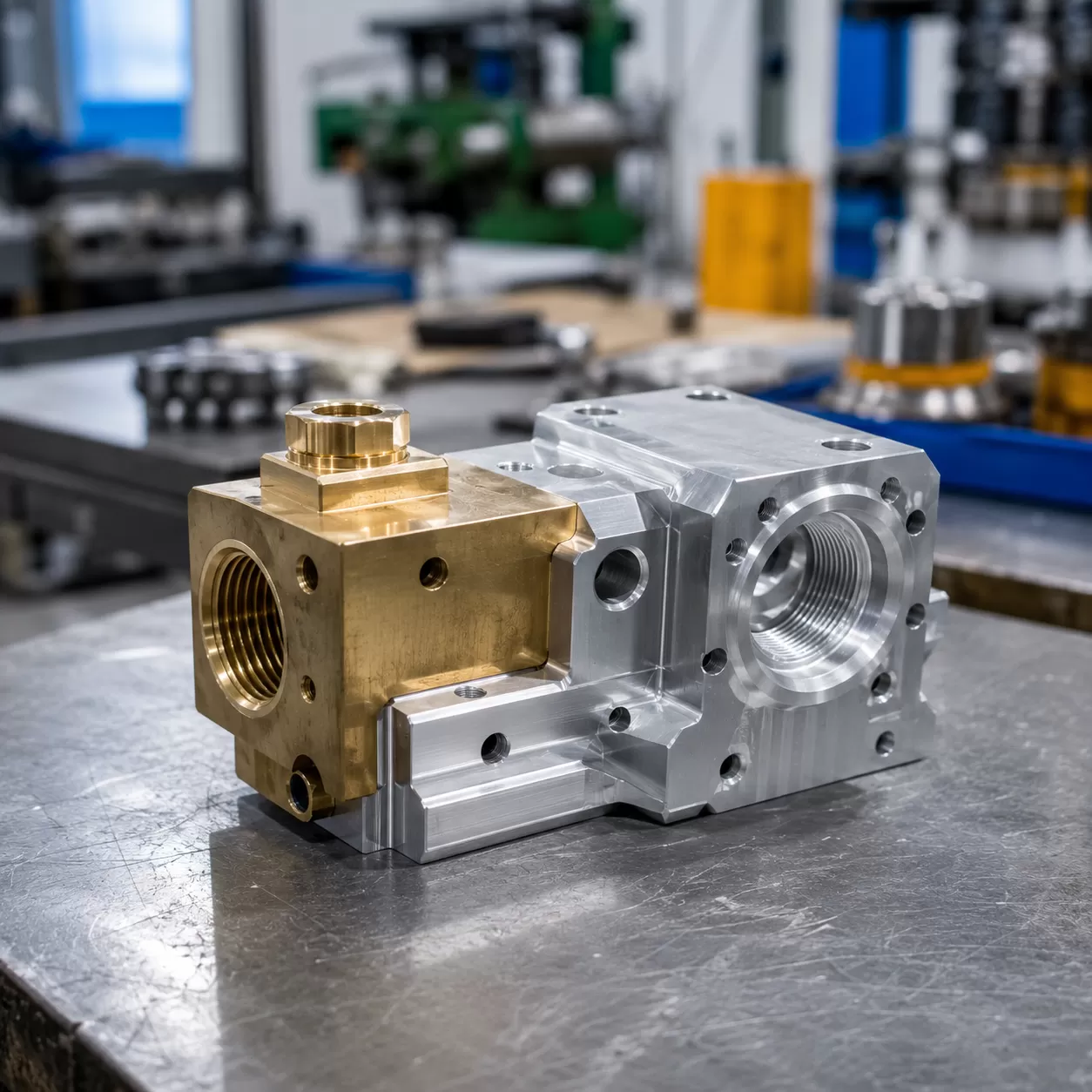
When mixing brass and aluminum in CNC assemblies, preventing a harmful galvanic reaction comes down to breaking the electrical circuit between the dissimilar metals. By eliminating direct contact or blocking the electrolyte, you can successfully prevent galvanic corrosion and ensure long-term assembly reliability.
Electrical Isolation and Insulating Fasteners
The most effective way to stop a galvanic reaction is to physically separate the brass and aluminum components. Using non-conductive materials creates electrical resistance that stops the flow of current.
- Insulating Washers and Bushings: Use non-conductive materials like nylon, Teflon (PTFE), or phenolics between the brass fastener and the aluminum substrate.
- Isolation Sleeves: Insert plastic or composite sleeves around bolt shanks to prevent contact with the walls of aluminum thru-holes.
- Gaskets: Deploy elastomeric or polymer gaskets to seal flat mating surfaces completely.
Surface Treatments: Anodizing and Plating Options
Applying the right surface finish alters the surface chemistry of the metals, reducing their electrochemical potential difference or creating a non-conductive barrier.
| Metal Type | Recommended Surface Treatment | Protective Mechanism |
|---|---|---|
| Aluminum | Type II or Type III Hardcoat Anodizing | Converts the surface into a non-conductive aluminum oxide layer, drastically increasing electrical resistance. |
| Brass | Nickel Plating or Chrome Plating | Shifts the galvanic potential of the brass closer to aluminum, reducing the driving force for corrosion. |
Choosing the proper finishing surface treatment is critical to balancing both the cosmetic appeal and the galvanic compatibility of your mixed-metal CNC assemblies.
Protective Coatings and Sealants
When physical isolation or plating is not fully possible, barrier coatings block environmental moisture and electrolytes from bridging the gap between the anode and cathode.
- Chromate Conversion Coatings: Provide a thin, protective chemical layer on aluminum that resists moisture while maintaining reasonable conductivity if grounding is required.
- Anti-Seize Compounds: Apply zinc-filled or marine-grade non-conductive anti-seize pastes to threaded joints to seal out moisture and prevent thread locking.
- Liquid Sealants and Joint Compounds: Use polysulfide, polyurethane, or silicone-based sealants during assembly to isolate the joint from atmospheric humidity and saltwater exposure.
Best Practices for Joining Brass and Aluminum Components
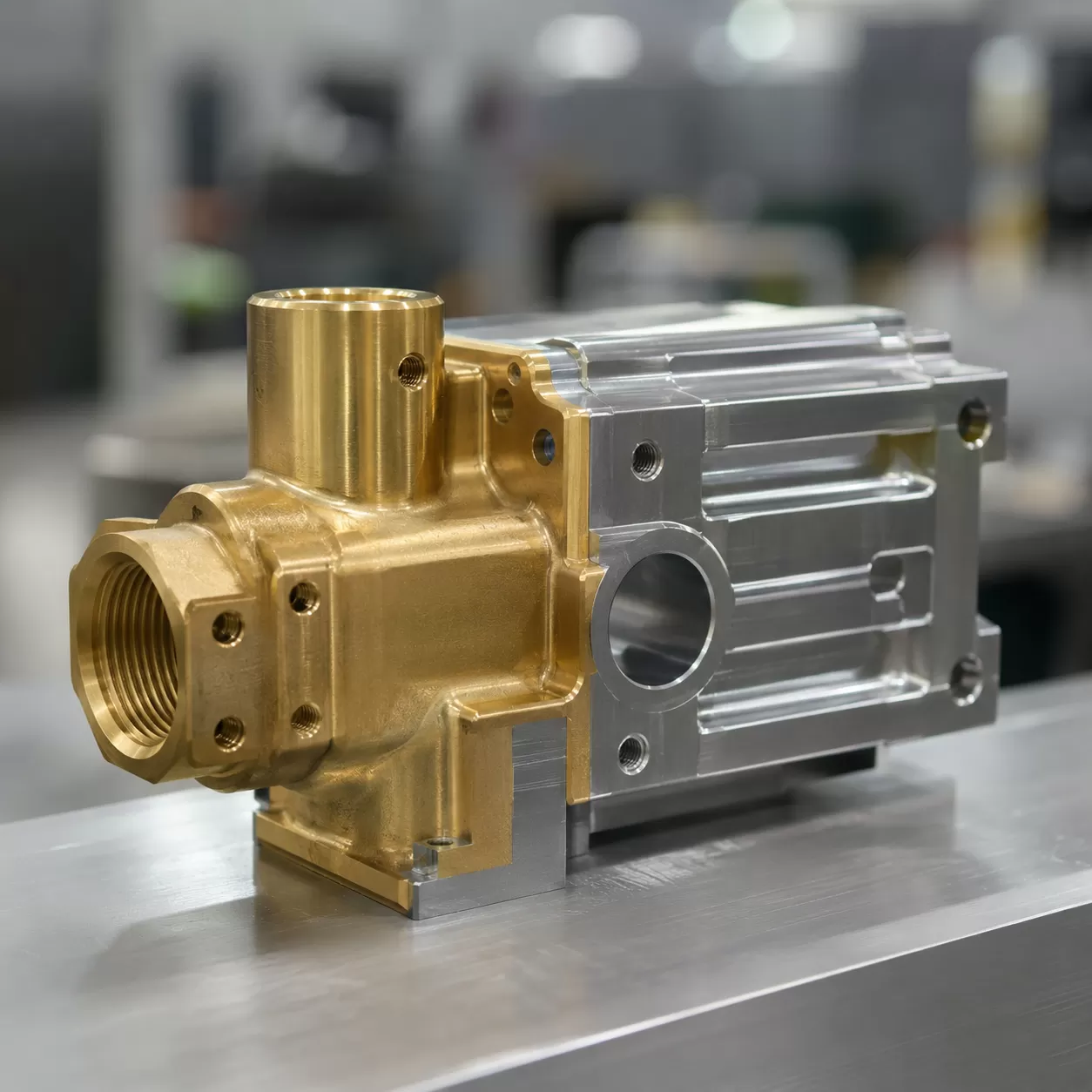
Safe Practices for Using Brass Fittings on Aluminum
When you must use brass fittings in an aluminum housing, avoiding direct metal-to-metal contact is your first line of defense. We always recommend using non-conductive thread sealants, such as PTFE tape or specialized pipe dopes, to create a physical barrier between the dissimilar metals. This breaks the electrical connection required for a galvanic reaction.
Additionally, ensure that the mechanical load is distributed evenly to prevent the brass from scraping away any protective oxide layer on the aluminum during installation.
Challenges and Alternatives to Welding, Soldering, and Brazing
Directly welding, soldering, or brazing brass to aluminum is practically impossible in standard CNC production due to their vastly different melting points and the creation of brittle intermetallic compounds. These joints will fail under minimal stress.
Instead of thermal joining, we rely on mechanical fastening paired with isolation materials, or high-strength structural adhesives. When designing complex systems that require robust assembly methods, it is wise to follow a detailed checklist for RFQs to Chinese CNC suppliers to ensure the manufacturer understands your exact isolation and tolerance requirements before production begins.
Maintenance and Inspection Protocols for Mixed-Metal Assemblies
Mixed-metal assemblies require strict, routine maintenance protocols to catch early signs of moisture buildup and galvanic corrosion before catastrophic failure occurs.
- Visual Inspection: Look for fine white powder (aluminum oxide) around the brass joints.
- Moisture Control: Wipe down assemblies used in high-humidity environments and ensure drainage pathways remain clear.
- Resistance Checks: Use a multimeter periodically to verify that your insulating washers or coatings still provide high electrical resistance between the two components.
Frequently Asked Questions About Mixed-Metal CNC Assemblies
Does aluminum or brass corrode faster when paired?
When mixing brass and aluminum in CNC assemblies, aluminum always corrodes faster. In a galvanic reaction, aluminum acts as the sacrificial anode because it has a lower electrical potential. Brass acts as the cathode, remaining relatively protected while the aluminum component degrades, pits, and develops a white powdery buildup.
Can I safely use brass and aluminum components in outdoor environments?
Direct contact between brass and aluminum is highly risky in outdoor environments. Moisture from rain, dew, or condensation acts as an active electrolyte that triggers galvanic corrosion. If your design requires these dissimilar metals outdoors, you must break the electrical path. Utilizing custom CNC machining of brass, copper, and conductive components alongside non-conductive isolation washers is a reliable way to keep the assembly functional and corrosion-free.
How do environmental humidity and saltwater affect galvanic compatibility?
Environmental humidity and saltwater drastically accelerate galvanic degradation by lowering electrical resistance across the junction.
- High Humidity: Creates a persistent, microscopic film of moisture on the metal surface, establishing a continuous electrical circuit between the brass and aluminum.
- Saltwater/Marine Climates: Salt acts as an aggressive catalyst, dramatically increasing the conductivity of the moisture film and speeding up the destruction of the aluminum substrate.
| Environment | Galvanic Risk Level | Recommended Action |
|---|---|---|
| Controlled Indoor | Low to Moderate | Minimal isolation needed unless high humidity occurs. |
| Outdoor / Humid | High | Structural isolation and protective coatings are required. |
| Marine / Saltwater | Critical | Avoid mixing these metals entirely; use compatible alloys or total isolation. |
 English
  German
  Dutch
Dutch  Russian
  Czech
Czech  French
  Japanese
  Spanish
  Portuguese
  Korean